
Search
Showing results for "mental health aboriginal"
The suboptimal sensitivity and specificity of available diagnostic methods for scabies hampers clinical management, trials of new therapies and epidemiologic studies. Additionally, parasitologic diagnosis by microscopic examination of skin scrapings requires sample collection with a sharp scalpel blade, causing discomfort to patients and difficulty in children. Polymerase chain reaction (PCR)-based diagnostic assays, combined with non-invasive sampling methods, represent an attractive approach.
Households are known to be high-risk locations for the transmission of communicable diseases. Numerous modelling studies have demonstrated the important role of households in sustaining both communicable diseases outbreaks and endemic transmission, and as the focus for control efforts. However, these studies typically assume that households are associated with a single dwelling and have static membership.
Implementation of molecular testing could improve antibiotic use in this high-burden setting
Scabies and impetigo are common in Timor-Leste, with very high prevalence of scabies in the rural district of Ermera
We report osteomyelitis incidence in indigenous children of northern Australia is amongst the highest reported in the world
The present study investigated the relations among fetal testosterone, child socio-emotional engagement and language development...
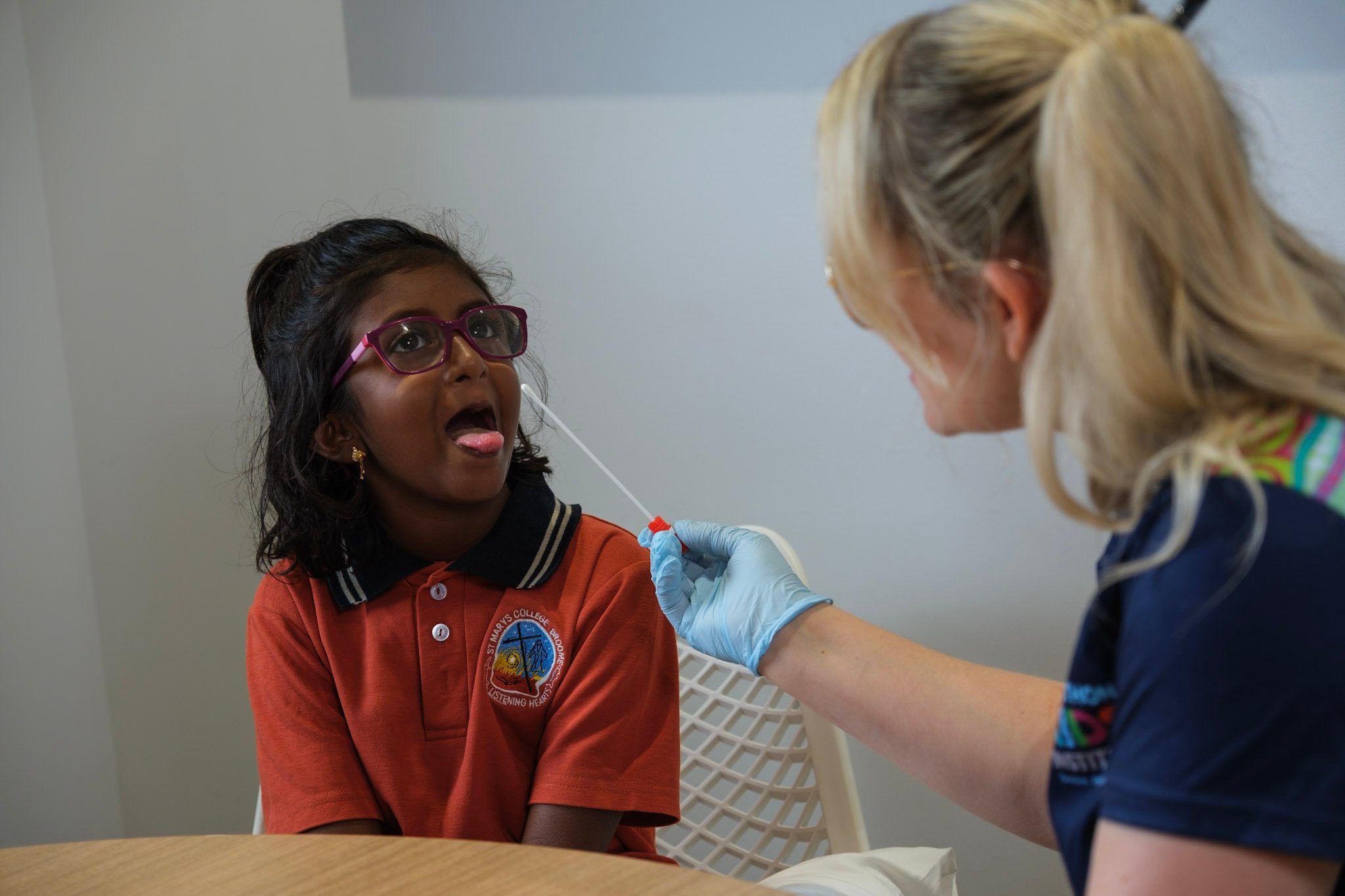
An alarming number of Strep A infections are going unnoticed throughout classrooms in Broome and Derby according to a major study by The Kids Research Institute Australia aiming to reduce the burden of acute rheumatic fever (ARF) and rheumatic heart disease (RHD).

A new report predicts rheumatic heart disease (RHD) will lead to over 500 preventable deaths and cost the Australian health system $317 million by 2031 if no further action to tackle the disease is taken.
Acute poststreptococcal glomerulonephritis (APSGN) is an immune complex-induced glomerulonephritis that develops as a sequela of streptococcal infections. This article provides guidelines for the surveillance of APSGN due to group A Streptococcus (Strep A). The primary objectives of APSGN surveillance are to monitor trends in age- and sex-specific incidence, describe the demographic and clinical characteristics of patients with APSGN, document accompanying risk factors, then monitor trends in frequency of complications, illness duration, hospitalization rates, and mortality.
To determine the incidence of and risk factors for psychiatric disorders in early adulthood in patients with childhood onset type 1 diabetes (T1D)