
Search
Showing results for "Childhood interstitial lung disease "
Kimberley Aboriginal Medical Services, Nirrumbuk Environmental Health and Services and The Kids Research Institute Australia seek to implement and evaluate a community-led project, funded by the Department of Health, to prevent and manage RHD in a selected high-risk Aboriginal community
The ACEFA NHMRC Centre of Research Excellence aims to support the timely, effective response to epidemic diseases in Australia through real-time data analytics, modelling, and forecasting.
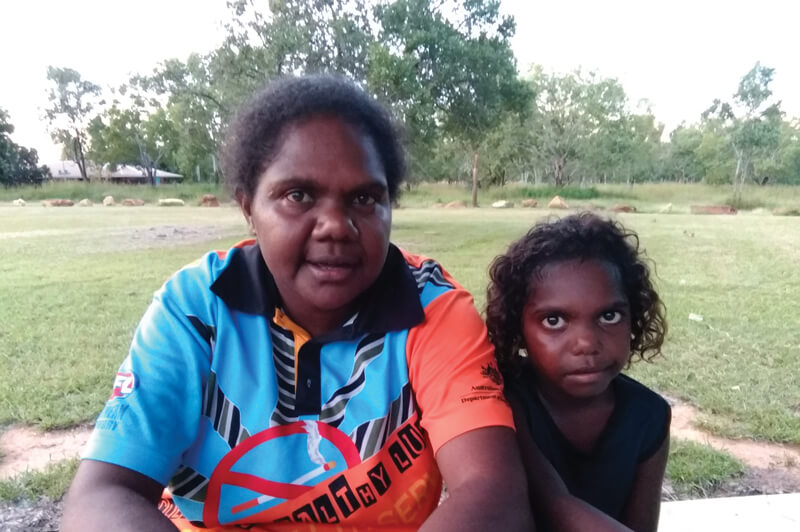
Collaboration is the driving force behind ‘END RHD Demonstration Communities’ – a new community-driven, research-backed approach to tackling rheumatic heart disease (RHD) in remote Australia.
The Vector Atlas aims to update and create vector species maps and spatial products that improve disease prediction, mitigation and preparedness.
The association between group A streptococcal infection and rheumatic fever (RF) was established in the early 20th century.
To date there have been relatively few studies on genetic determinants of susceptibility to neonatal infection and many of these have methodological...
The asbestos and ovarian cancer relationship is not well understood because of small numbers of women exposed to asbestos, small numbers of cases...
schemic stroke induced by thrombosis may be triggered by atherosclerotic plaque rupture and collagen-induced platelet activation. Collagen induces...
Pre-clinical models that effectively recapitulate human disease are critical for expanding our knowledge of cancer biology and drug resistance mechanisms.

Professor of Indigenous Genomics