
Search
Showing results for "aboriginal respiratory"
Telethon Institute Researchers Win National Funding
Five outstanding researchers have been awarded the inaugural Heath Ledger Career Development Scholarships
Liz Prue Davis Hart MBBS FRACP PhD BSc (Hons) MSc PhD Co-director of Children’s Diabetes Centre Honorary Research Fellow prue.hart@thekids.org.au
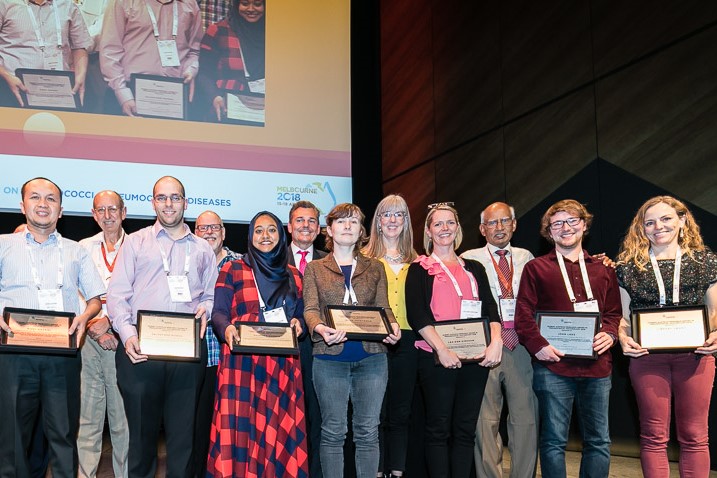
Congratulations to Dr Lea-Ann Kirkham - one of just 10 recipients from around the world to receive a prestigious Robert Austrian Award at the International Symposium on Pneumococci and Pneumococcal Diseases.
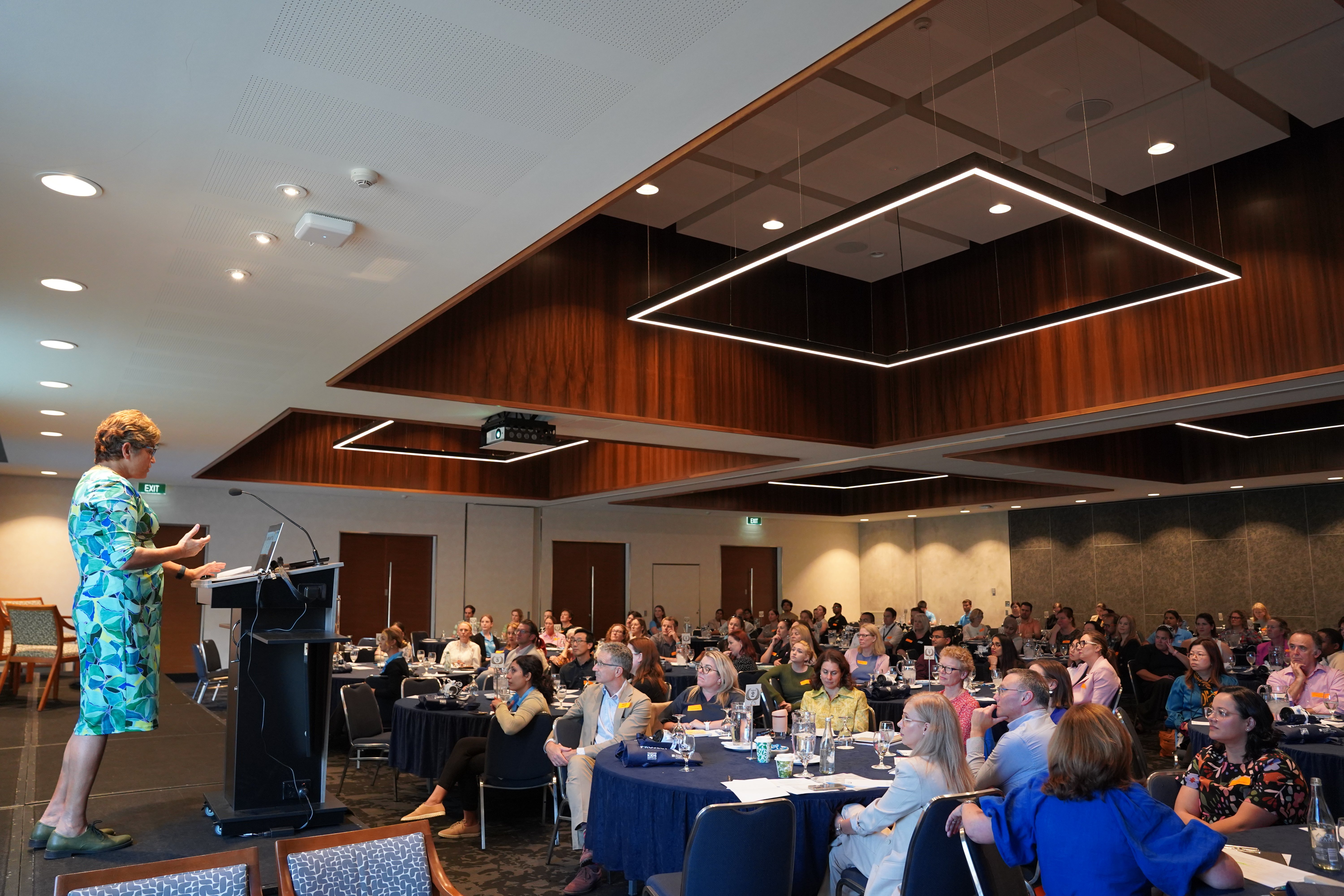
Yesterday, we were delighted to host close to 200 people at The ORIGINS 2024 Showcase, which explored the power of longitudinal cohorts, now and in

Rhinovirus infection drives complex host airway molecular responses in children with cystic fibrosis TEarly-life viral infections are responsible for
Oxidative cross-linking of calprotectin occurs in vivo, altering its structure and susceptibility to proteolysis Abstract Calprotectin, the major
Lung Clearance Index and Structural Lung Disease on Computed Tomography in Early Cystic Fibrosis Abstract Rationale: The lung clearance index is a
Billionaire Stan Perron has made donations to The Kids as part of the Stan Perron Charitable trust totaling $500,000 a year. Read more about his generosity
On this Research Impact page, we showcase real game-changers - research that changes the very way other scientists around the world think and approach challenges. The far-reaching impact on children and families for all the stories shown on these pages is both exciting and significant.