
Search
Showing results for "mental health aboriginal"
The burden of IgE-mediated food allergy in Australian born children is reported to be among the highest globally. This illness shares risk factors and frequently coexists with asthma, one of the most common noncommunicable diseases of childhood.
Safe, highly curative, short course, direct acting antiviral (DAA) therapies are now available to treat chronic hepatitis C. DAA therapy is freely available to all adults chronically infected with the hepatitis C virus (HCV) in Australia. If left untreated, hepatitis C may lead to progressive hepatic fibrosis, cirrhosis and hepatocellular carcinoma.
We conducted a systematic review of clinical trials and observational studies that address the utility of SXT for SSTI treatment, caused by either GAS or MRSA
Staphylococcus aureus bacteremia (SAB) is the most common cause of childhood sepsis contributing to pediatric intensive care unit admission. The cost of adult SAB hospitalization is well described globally, but limited costing information is available for children. To bridge this knowledge gap, we investigated the cost of hospitalization in children with SAB in Australia.
Pharyngitis, more commonly known as sore throat, is caused by viral and/or bacterial infections. Group A Streptococcus (Strep A) is the most common bacterial cause of pharyngitis. Strep A pharyngitis is an acute, self-limiting disease but if undertreated can lead to suppurative complications, nonsuppurative poststreptococcal immune-mediated diseases, and toxigenic presentations.

On International Day for People with Disability this Sunday, The Kids Research Institute Australia celebrates the children and families we work with in our research, as we strive for better outcomes for kids with disability.

Leading paediatrician, infectious diseases specialist and Executive Director of The Kids Research Institute Australia, Professor Jonathan Carapetis, has been recognised for his significant contribution towards medical research with the award of Member of the Order of Australia (AM).
We studied in a non-randomized follow-up trial the persistence of pneumococcal immunity in children, 3-5 years of age, in community controls of a similar age.
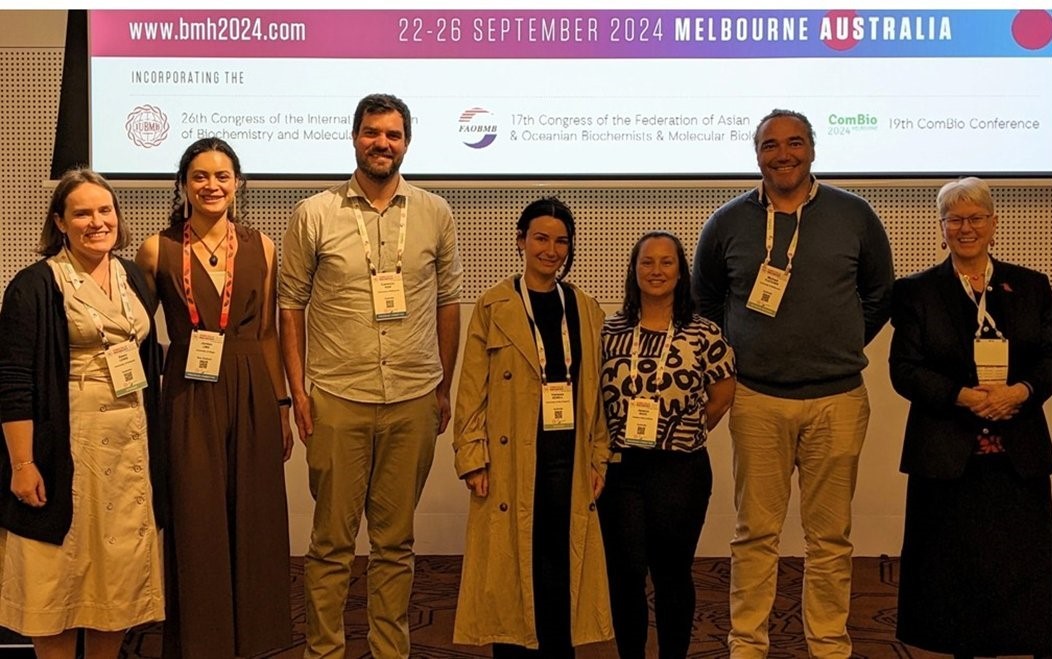
Dr Jessica Buck, a researcher at The Kids Research Institute Australia Cancer Centre and a Kamilaroi woman, is on a mission to address the unique challenges faced by Aboriginal and Torres Strait Islander children with cancer.
The authors previously reported an increased risk of hospitalisation for acute lower respiratory infection up to age 2 years in children delivered by...