
Search
Showing results for "aboriginal respiratory"
Amidst the evolving COVID-19 pandemic, understanding the transmission dynamics of the SARS-CoV-2 virus is key to providing peace of mind for the community and informing policy-making decisions. While available data suggest that school-aged children are not significant spreaders of SARS-CoV-2, the possibility of transmission in schools remains an ongoing concern, especially among an aging teaching workforce. Even in low-prevalence settings, communities must balance the potential risk of transmission with the need for students' ongoing education.
Video otoscopy plays an important role in improving access to ear health services. This study investigated the clinician-rated quality of video otoscopy recordings and still images, and compared their suitability for asynchronous diagnosis of middle-ear disease. Two hundred and eighty video otoscopy image-recording pairs were collected from 150 children (aged six months to 15 years) by an ear, nose, and throat (ENT) specialist, audiologists, and trained research assistants, and independently rated by an audiologist and ENT surgeon.
To investigate survival up to early adulthood for children with intellectual disability and compare their risk of mortality with that of children without intellectual disability.
The prevalence of parent-reported rOM was 26.8% (611/2280) and 5.5% (125/2280) for severe rOM in the Study.
Reflections and perceptions of chronic tinnitus during childhood
We reflect on the lessons learned from a recent genome‐wide association study of rheumatic heart disease with Aboriginal Australian participants
The effects of maternal alcohol-use disorder are experienced by the majority of exposed children rather than a vulnerable subgroup of this population
A multifaceted intervention was implemented using quality improvement and chronic care model approaches to improve delivery of penicillin prophylaxis for rheumatic heart disease
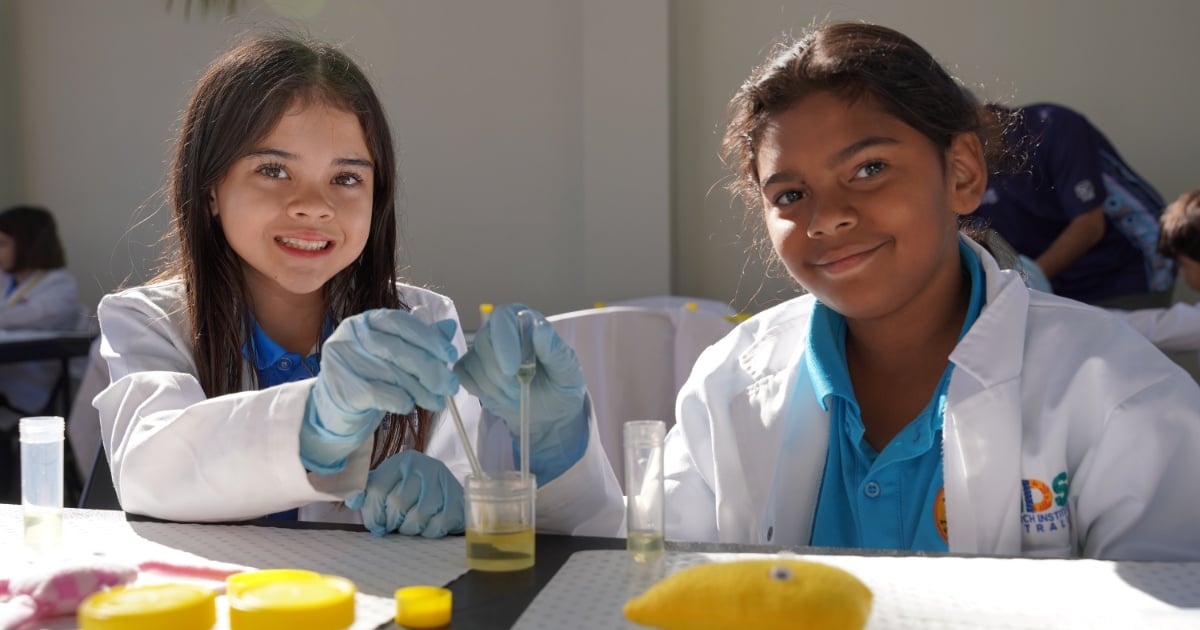
The Kids Research Institute Australia will return to Broome for National Science Week in August to host The Kids STEM Festival, with a refreshed program of hands-on fun curated for local students and families.
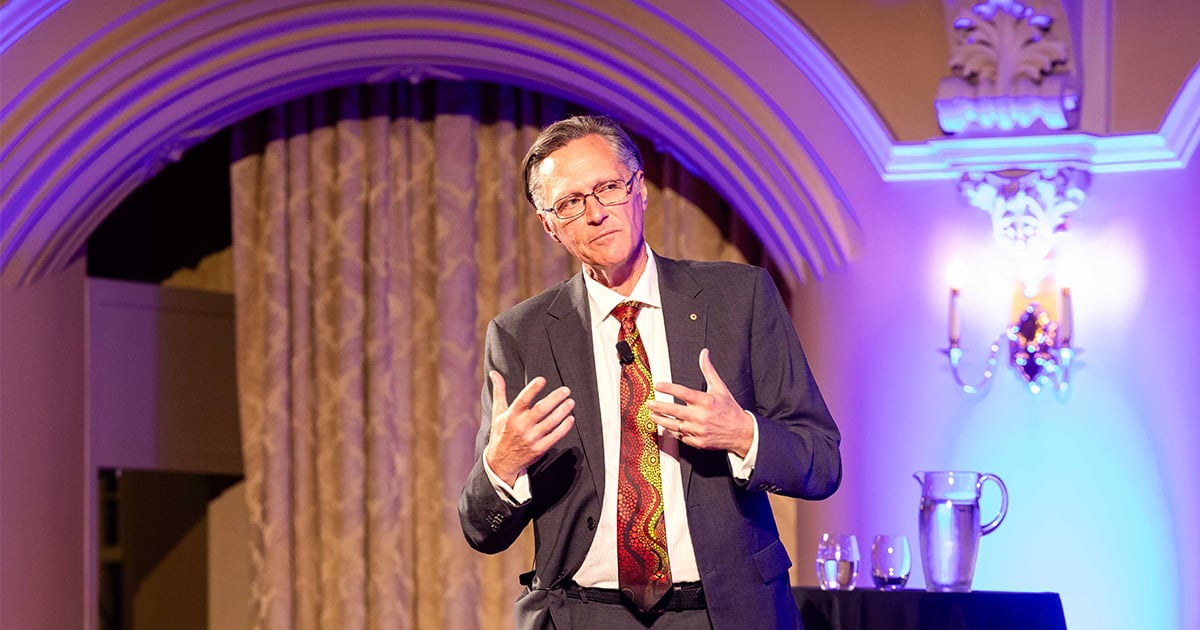
In Perth, The Kids Research Institute Australia is spearheading global efforts to tackle this insidious bacterium and reduce its impact on kids’ health.