
Search
Showing results for "early lung health"
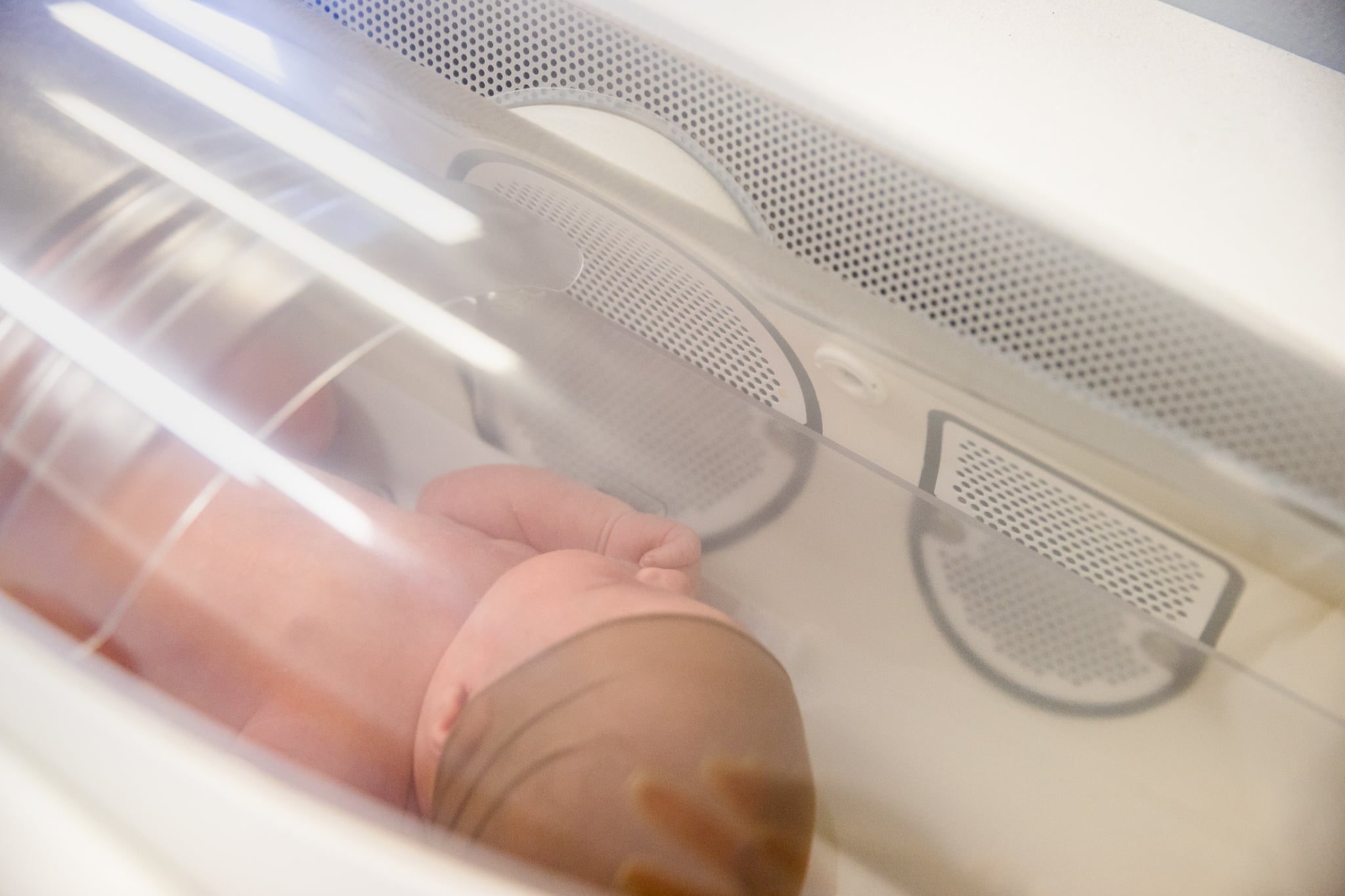
This study is examining the maternal and neonatal factors affecting neonatal body fat percentage.
Aboriginal and Torres Strait Islander Peoples share rich cultural traditions unrivalled across the world; however, the continued impact of colonisation led to sustained, profound trauma that has spanned generations. With Aboriginal and Torres Strait Islander people presenting to hospital emergency departments for self-harm and suicidal behaviours at a rate 2.9 times higher than non-Indigenous people, there is a need to develop culturally appropriate interventions to address this growing problem.
Respiratory failure, multiple organ failure, shortness of breath, recovery, and mortality have been identified as critically important core outcomes by more than 9300 patients, health professionals, and the public from 111 countries in the global coronavirus disease 2019 core outcome set initiative. The aim of this project was to establish the core outcome measures for these domains for trials in coronavirus disease 2019. Three online consensus workshops were convened to establish outcome measures for the four core domains of respiratory failure, multiple organ failure, shortness of breath, and recovery.
The Sharing Knowledge About Immunisation project aims to develop effective communication tools to support primary health care providers' consultations with parents
Face-to-face interviews were conducted with all three women for the purpose of profiling women who are leaders in health and medicine in Papua New Guinea (PNG).
Increasing resilience is critical to reduce the burden of living with type one diabetes (T1D), according to participants of a new study.
We developed the iOS smartphone app Sun Safe to support healthy sun practices in young teenagers (aged 12-13 years). The production involved co-design with young co-researchers (ie, aged 12-13 years) with a health message of using sun protection when the UV index is ≥3. Important features include real-time and location-specific weather data on the UV index and gamified educational content.
Primary care practitioners have an important role in improving Aboriginal cardiovascular care outcomes

At The Kids Research Institute Australia, we have a dedicated and diverse team of over 1,000 staff, students and honorary researchers.
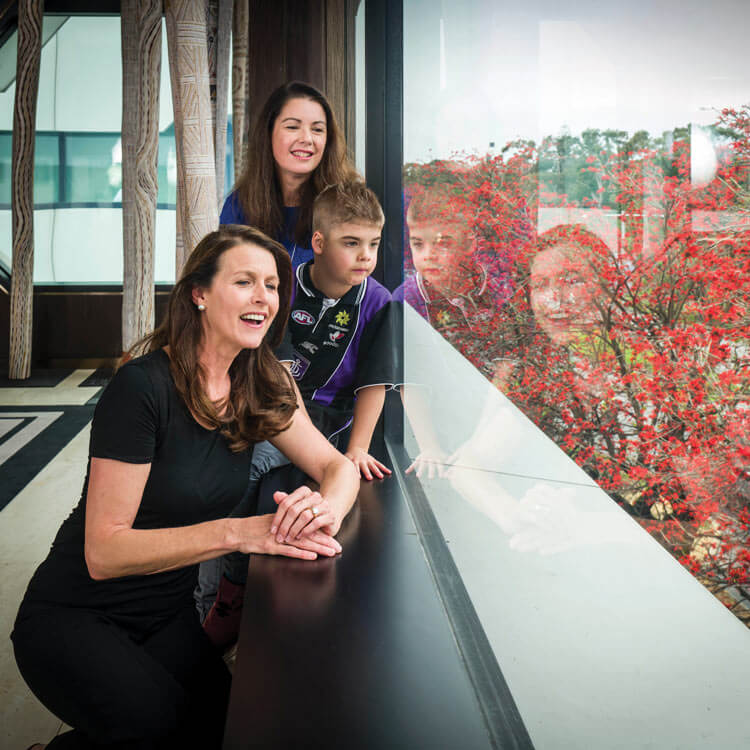
Maddox Ball and The Kids researcher Dr Ingrid Laing might not look like they have a lot in common but they share a very special bond.