
Search
Showing results for "mental health aboriginal"
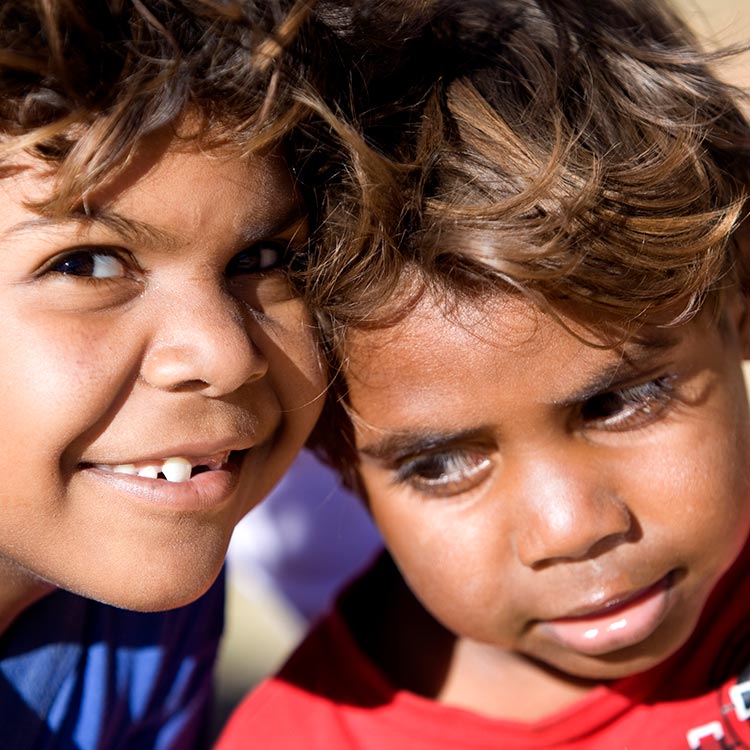
A $6 million commitment from Wesfarmers to Telethon will fund vital research to reduce the impact of chronic ear infections and other serious diseases.
Determining young people's knowledge of energy drink (EDs), factors influencing ED consumption and intervention strategies to lower ED consuption in youth.
Staphylococcus aureus bacteremia (SAB) is the most common cause of childhood sepsis contributing to pediatric intensive care unit admission. The cost of adult SAB hospitalization is well described globally, but limited costing information is available for children. To bridge this knowledge gap, we investigated the cost of hospitalization in children with SAB in Australia.
Pharyngitis, more commonly known as sore throat, is caused by viral and/or bacterial infections. Group A Streptococcus (Strep A) is the most common bacterial cause of pharyngitis. Strep A pharyngitis is an acute, self-limiting disease but if undertreated can lead to suppurative complications, nonsuppurative poststreptococcal immune-mediated diseases, and toxigenic presentations.
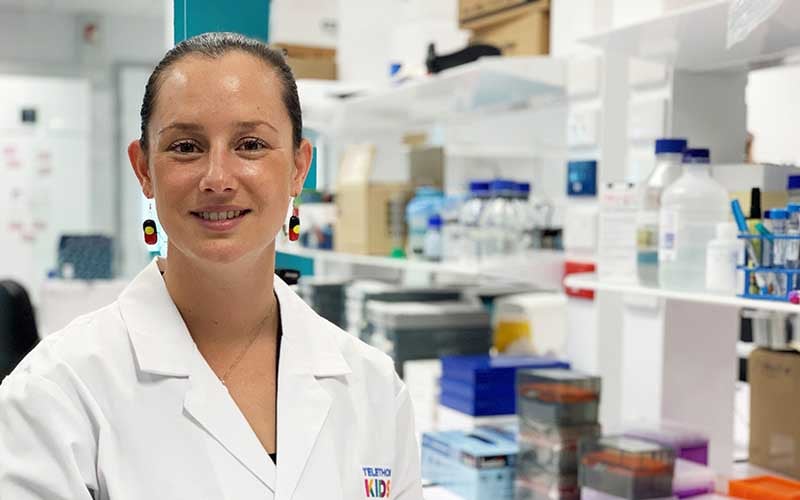
Outstanding Aboriginal researcher Jessica Buck has received a prestigious Forrest Foundation Research Fellowship to investigate innovative new therapies for children with brain cancer.
The authors previously reported an increased risk of hospitalisation for acute lower respiratory infection up to age 2 years in children delivered by...
The use of adjunctive antibiotics directed against exotoxin production in Staphylococcus aureus bacteremia (SAB) is widespread, and is recommended in many guidelines, but there is limited evidence underpinning this.
To describe the clinical epidemiology of children receiving cochlear implants, as well as the management and outcomes of cochlear implant infections and adherence to infection prevention measures.
Viridans group streptococci (VGS) are an important cause of sepsis in immunosuppressed children. We reviewed the effectiveness of risk-stratified addition of vancomycin to empiric febrile neutropenia therapy among 107 children with leukemia or undergoing an allogeneic transplant.
We studied in a non-randomized follow-up trial the persistence of pneumococcal immunity in children, 3-5 years of age, in community controls of a similar age.