
Search
Showing results for "Childhood interstitial lung disease "

Researchers have found kids who experience repeat ear infections in infancy have a much higher risk of ongoing problems with ear infections in later childhood
Australian 5 year olds are developing better than they were three years ago and have improved in most development indicators, according to the latest AEDI data.
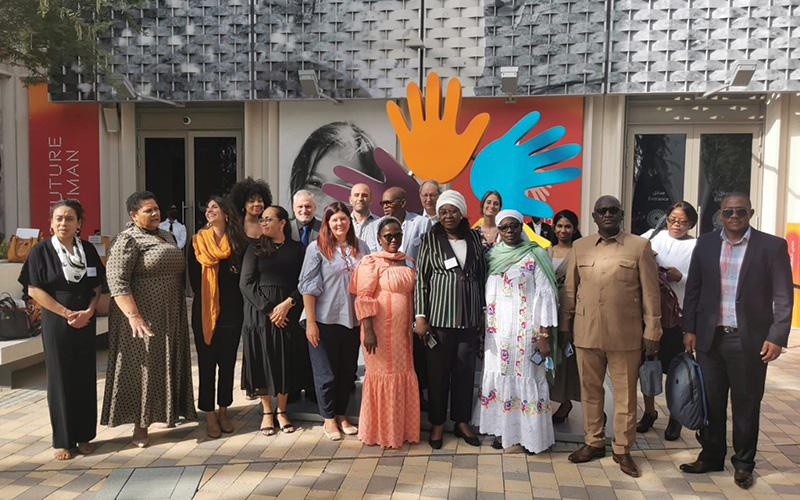
A powerful data tool developed by international child development researcher Professor Sally Brinkman and former research assistant Tom Brown could improve early childhood support for children around the world after being launched in Dubai this year.

Research data from more than one million Australian and Welsh children will be examined to help better understand how the built environment affects child health and obesity, as part of an international research project to be co-led by The Kids Research Institute Australia.
Kimberley Aboriginal Medical Services, Nirrumbuk Environmental Health and Services and The Kids Research Institute Australia seek to implement and evaluate a community-led project, funded by the Department of Health, to prevent and manage RHD in a selected high-risk Aboriginal community
The ACEFA NHMRC Centre of Research Excellence aims to support the timely, effective response to epidemic diseases in Australia through real-time data analytics, modelling, and forecasting.
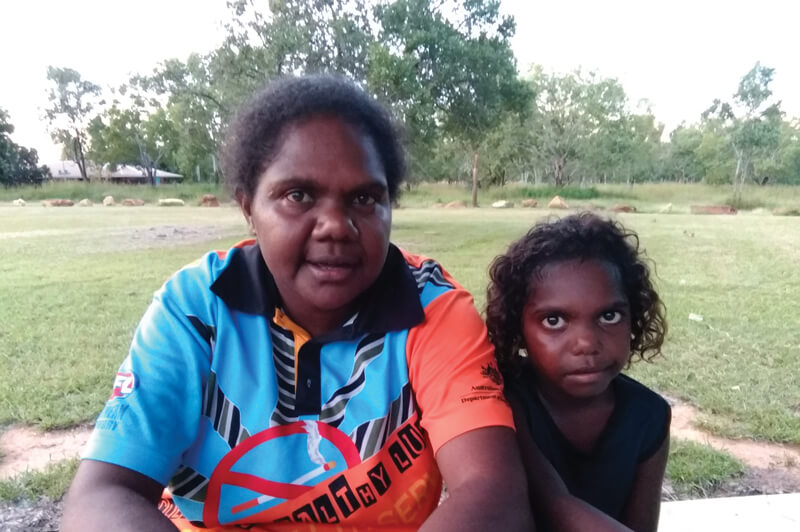
Collaboration is the driving force behind ‘END RHD Demonstration Communities’ – a new community-driven, research-backed approach to tackling rheumatic heart disease (RHD) in remote Australia.
We propose that hydroxychloroquine could be repurposed to reduce the risk of rheumatic heart disease after acute rheumatic fever
Studies investigating pathogen-specific infectious disease would benefit from using multiple data sources.
This review outlines a clinical development strategy detailing the phases of development required for registration of a candidate Group A streptococci vaccin