
Search
Showing results for "early lung health"

The Kids Research Institute Australia researchers have been awarded 12 of 16 grants under the latest round of funding from the WA Child Research Fund
The Australian Research Council (ARC) Centre of Excellence for Children and Families Over the Life Course
There are well-described sex-based differences in how the immune system operates. In particular, cisgender (cis) females have a more easily activated immune system; associated with an increased prevalence of autoimmune diseases and adverse events following vaccinations. Conversely, cis males have a higher threshold for immune activation, and are more prone to certain infectious diseases, such as coronavirus disease (COVID-19).
Early identification and intervention are recognised as important elements of the clinical pathway for autism spectrum disorder (ASD). Children with ASD and attention deficit hyperactivity disorder (ADHD) may be diagnosed at a different age than children who only have one of these diagnoses.
Early identification of oropharyngeal dysphagia and the management of seizures may help prevent serious respiratory illness
The current investigation measured AT in 360 males and 400 males from the general population close to two decades apart, using the Pervasive Developmental...
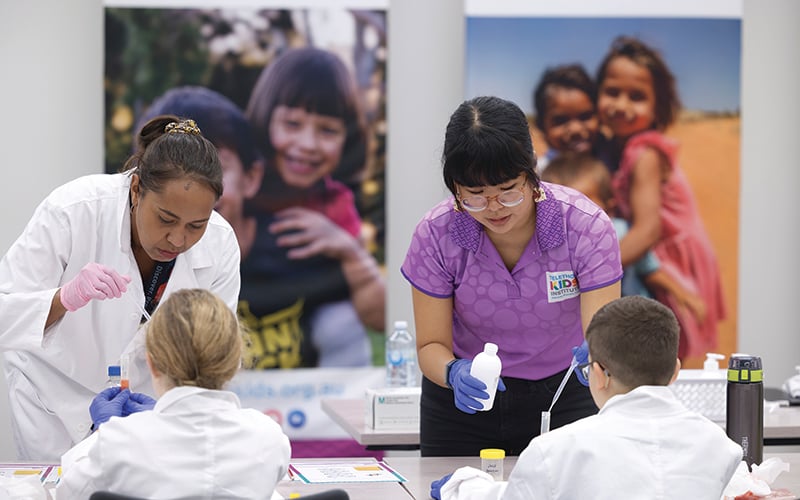
Strawberries, slime and sliced bread are being used as tools to educate and inspire the next generation of researchers, as part of the The Kids Discovery Centre Schools & Outreach Program.
Ankle and hip power generation as a propulsion strategy during the late stance/early swing phases of walking and running in typically developing children
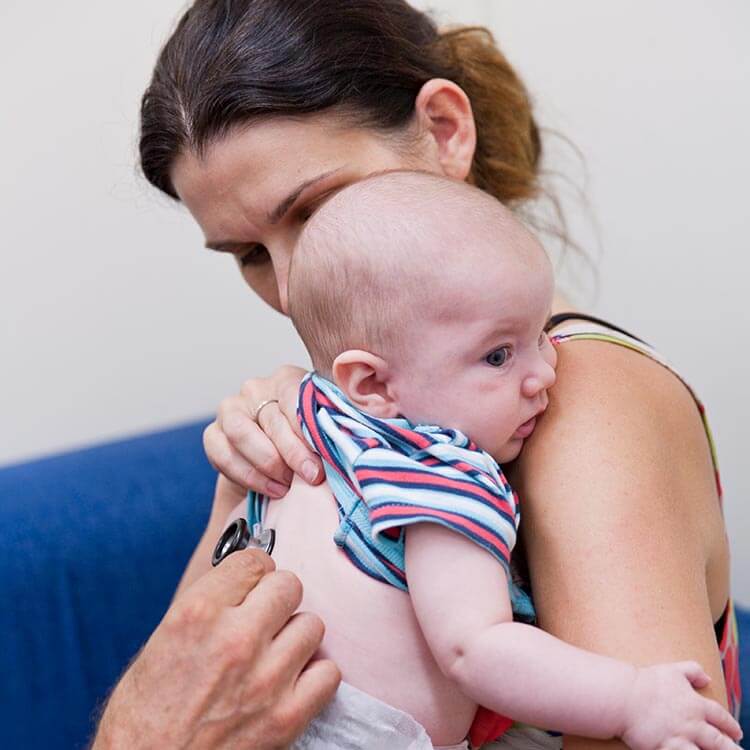
A groundbreaking WA trial, published in The Lancet, has determined that a laryngeal mask for babies is preferred over endotracheal tube during minor surgeries
prior exposure to suicide and prior exposure to suicide attempt in the general population are associated with increased odds of subsequent suicidal behavior