
Search
Showing results for "early lung health"
prior exposure to suicide and prior exposure to suicide attempt in the general population are associated with increased odds of subsequent suicidal behavior
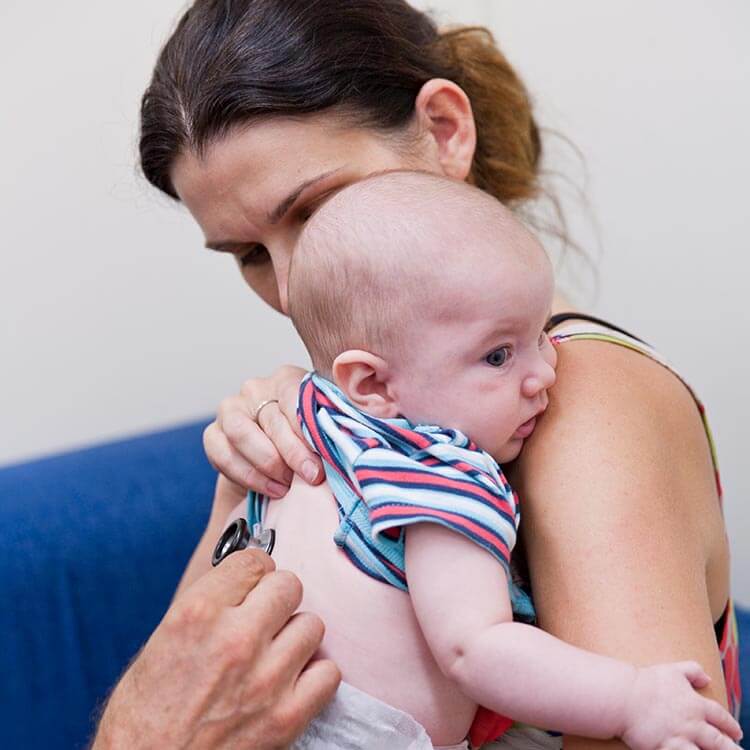
A groundbreaking WA trial, published in The Lancet, has determined that a laryngeal mask for babies is preferred over endotracheal tube during minor surgeries
Rheumatic heart disease (RHD) is underdiagnosed globally resulting in missed treatment opportunities and adverse clinical outcomes. We describe the protocol for a study which aims to co-design, implement and conduct an evaluation of a task-sharing approach to echocardiographic active case finding for early detection and management of RHD in high-risk settings in Australia and Timor-Leste.
Co-design of a program supporting paternal involvement in preterm care.
The objective of this study was to examine the factors that impact on breastfeeding duration among Western Australia Aboriginal children. We hypothesised...
This study explores how the first wave of the COVID‐19 pandemic influenced family routines, relationships and technology use (smartphones and tablet computers) among families with infants. Infancy is known to be an important period for attachment security and future child development, and a time of being susceptible to changes within and outside of the family unit.
This study explores how the first wave of the COVID‐19 pandemic influenced family routines, relationships and technology use (smartphones and tablet computers) among families with infants. Infancy is known to be an important period for attachment security and future child development, and a time of being susceptible to changes within and outside of the family unit.
Asha Jeffrey Bowen Cannon BA MBBS DCH FRACP PhD GAICD FAHMS OAM BSc(Hons) BBus PhD Head, Healthy Skin and ARF Prevention Health Economist
Lesbian, Gay, Bisexual, Transgender, Intersex, Queer, Asexual/Aromantic (LGBTIQA+) people and other individuals with diverse sexual orientation, sex and/or gender identity experience intimate partner violence (IPV) at higher rates than non-LGBTIQA+ people but often receive inconsistent culturally competent healthcare, which deters help-seeking.
Aboriginal and Torres Strait Islander (hereafter Aboriginal) women have a high prevalence of diabetes in pregnancy (DIP), which includes pre-gestational diabetes mellitus (PGDM) and gestational diabetes mellitus (GDM). We aimed to characterize the impact of DIP in babies born to Aboriginal mothers.