
Search
Showing results for "lung disease preterm"
We introduce C1 CAGE, a method for the detection of transcript 5'-ends with an original sample multiplexing strategy in the C1TM microfluidic system

Congratulations to Dr Gail Alvares and Dr Rachel Foong, who have been awarded funding from the Raine Medical Research Foundation.
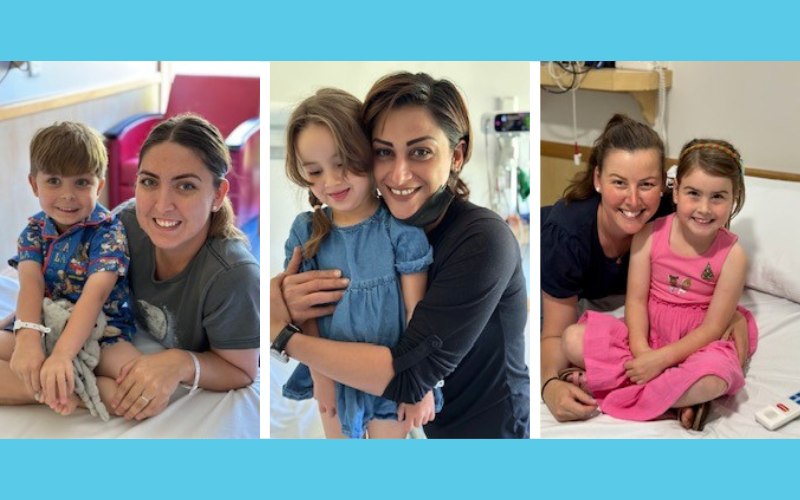
A research program, which enables over 25 important respiratory research studies to be undertaken, celebrated the recruitment of its 300th participant on 14 December 2022.
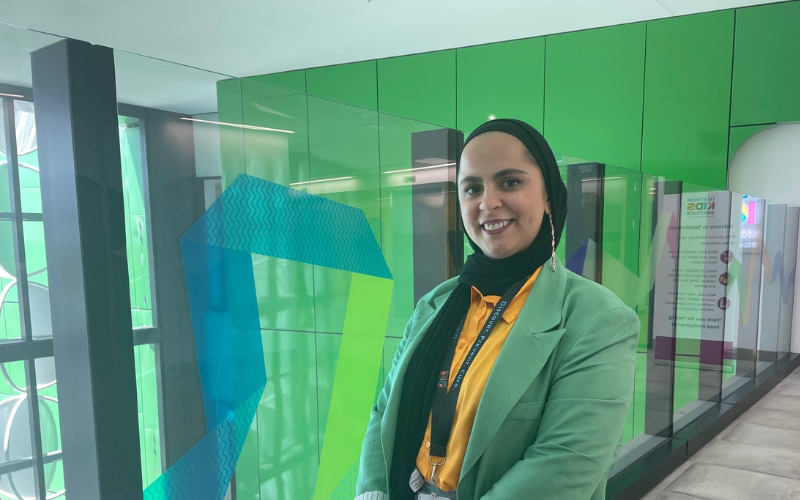
The Wal-yan Respiratory Research Centre this month welcomed new PhD scholarship awardee Yaqin Alziyadat, whose exciting research work will support the Centre’s vision to ensure all children have healthy lungs for life.
The Opportunity We have a great opportunity for an enthusiastic individual with a breadth of technical skills to focus on the development of data
At two hospitals in Western Australia, we conducted a prospective, open-label, randomised, controlled trial of 240 patients undergoing tonsillectomy to investigate the effect of chewing a confectionery jelly snake on postoperative nausea and vomiting. The results were published in Anaesthesia Critical Care & Pain Medicine. Recruitment for this study was completed uneventfully between July 2018 and August 2019.
We investigated how syndromic versus nonsyndromic forms of micrognathia impacted difficult intubation outcomes in children. Primary outcome was the first-attempt success rate of tracheal intubation, secondary outcomes were number of intubation attempts and complications. We hypothesized that syndromic micrognathia would be associated with lower first-attempt success rate.
Airway management is required during general anaesthesia and is essential for life-threatening conditions such as cardiopulmonary resuscitation. Evidence from recent trials indicates a high incidence of critical events during airway management, especially in neonates or infants. It is important to define the optimal techniques and strategies for airway management in these groups.
Patient positioning interacts with a number of body systems and can impact clinically important perioperative outcomes. In this educational review, we present the available evidence on the impact that patient positioning can have in the pediatric perioperative setting. A literature search was conducted using search terms that focused on pediatric perioperative outcomes prioritized by contemporary research in this area.
Mesothelioma is characterised by its aggressive invasive behaviour, affecting the surrounding tissues of the pleura or peritoneum. We compared an invasive pleural model with a non-invasive subcutaneous model of mesothelioma and performed transcriptomic analyses on the tumour samples.