
Search
Showing results for "autism"

One of the unique aspects of CliniKids is the integration of clinical services with cutting-edge research. Our exceptional team of researchers work in collaboration with our clinicians to give the community access to the world's best evidence-based therapies.
Neurodiversity refers to the different ways that people experience and interact with the world around them. Each person’s brain works differently, meaning no two brains are the same.

The language we use shifts over time and the words we use are important. At CliniKids, we are committed to using language that is neuroaffirming and preferred by the autistic community.
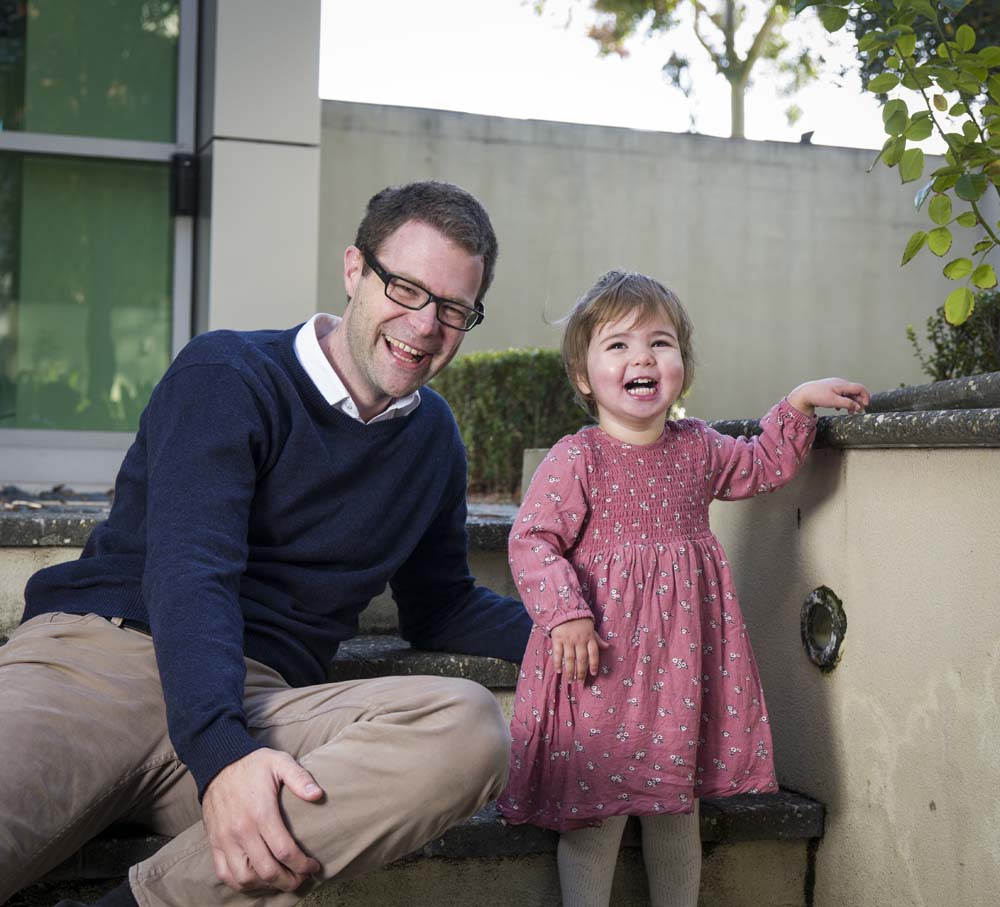
Autism researcher, Professor Andrew Whitehouse from The Kids has been named a finalist in the Eureka Prize for Emerging Leader in Science
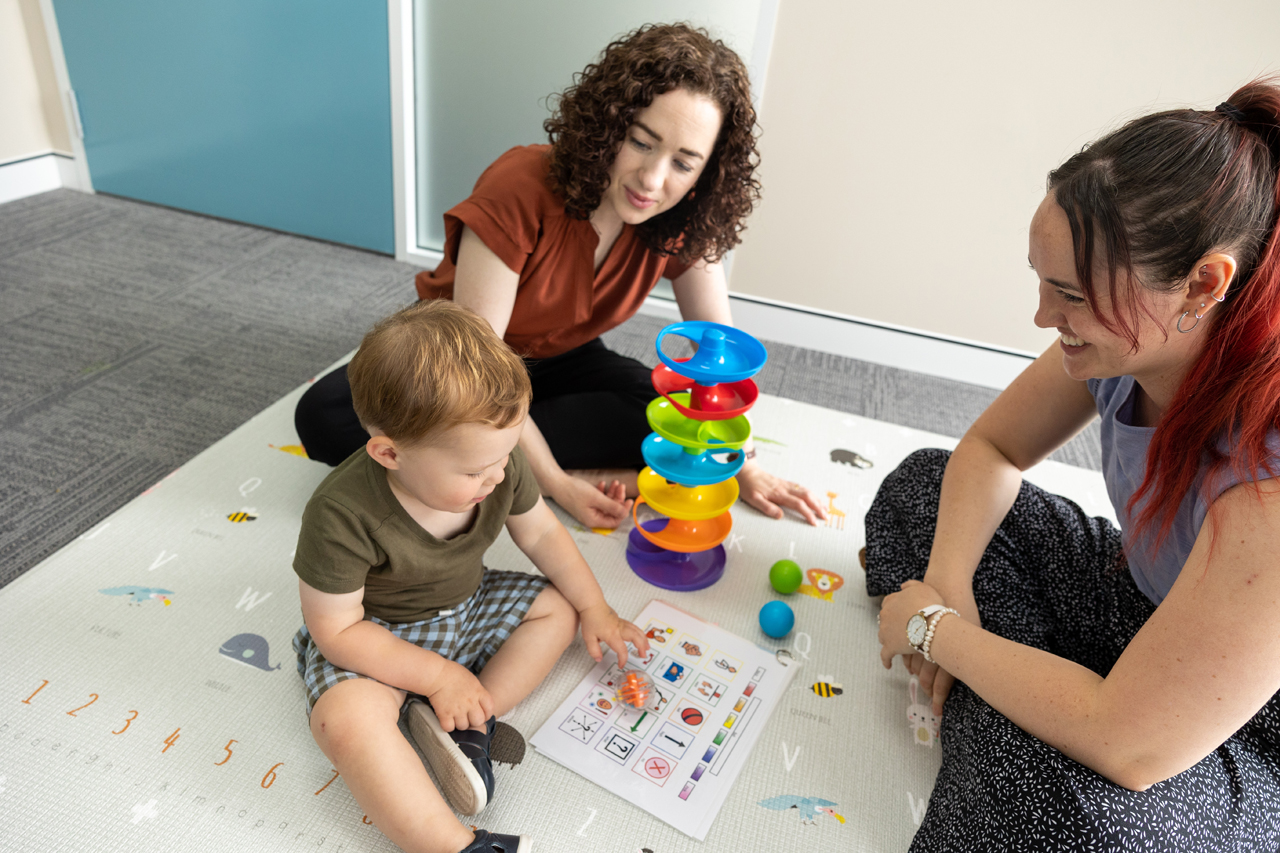
In this blog, you can read about one of the most common tools used in the autism diagnostic process – the Autism Diagnostic Observation Schedule.
This study investigated whether exposure to high pregestational BMI (≥ 25 kg/m2) is associated with alterations in white matter microstructure in early childhood, explored sex-specific effects, and examined associations with cognitive performance.
Brain development during the preschool period is complex and extensive and underlies ongoing behavioral and cognitive maturation. Increasing understanding of typical brain maturation during this time is critical to early identification of atypical development and could inform treatments and interventions.
Our researchers have published many papers in world-leading paediatric autism and developmental delay journals. Browse their most recently published work here.

Head of Autism Research; Senior Principal Research Fellow
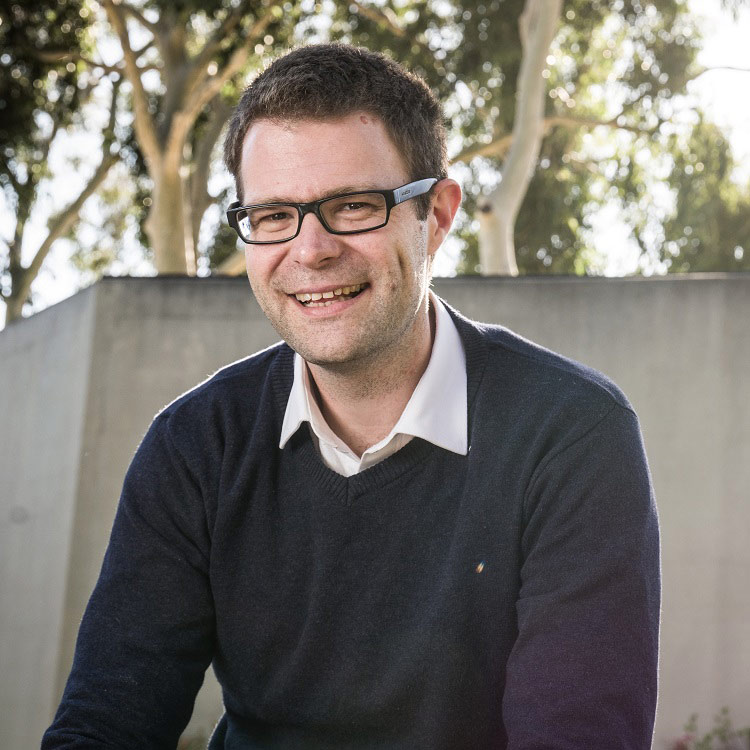
Professor Andrew Whitehouse awarded the most prestigious award in the country for young researchers – the 3M Eureka Prize for Emerging Leader in Science.