
Search
Showing results for "clinical trials"

The Australian Epithelial Research Program (WAERP) comprises of several parties, including our Chief Investigators, Compliance, Scientific and Clinical Teams, and our Student group.
This study aims to investigate the cellular and molecular profiles of the immune system in infants at high/low risk for Autism, as determined through clinical assessment.
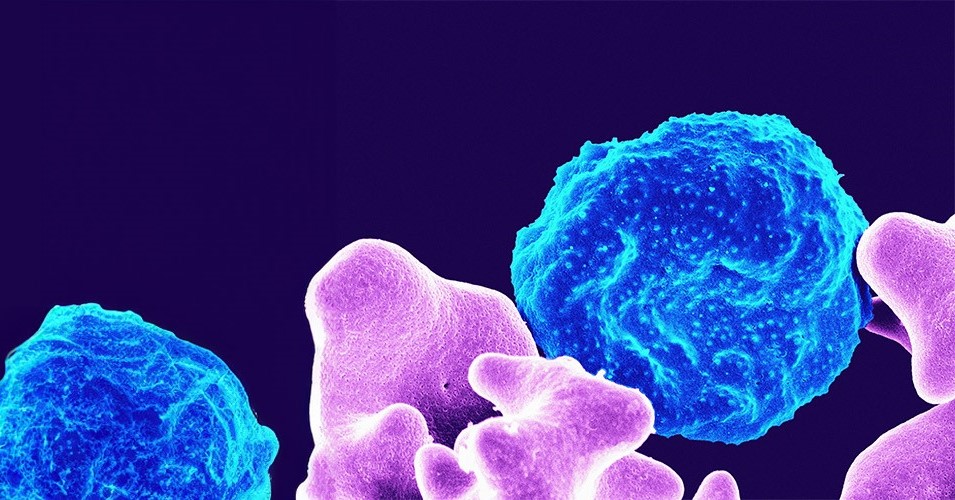
We help shape how the world responds to infectious diseases: guiding vaccine and treatment development, and advising on public health measures to control and eliminate disease. Our mathematical models capture how diseases spread, how severe infections are, and how childhood exposure shapes health across a lifetime.
The aim of this systematic review was to review the evidence for serious gaming interventions in improving sensorimotor function in children and adults with cerebral palsy (CP). Seven databases were searched with terms related to serious gaming and CP.
Previous studies on the impacts of racism on adolescent development have largely overlooked Indigenous youth. We conducted a scoping review of the empirical literature on racism against Indigenous adolescents to determine the nature and scope of this research and to establish associations with developmental outcomes.
The current study aimed to provide a comprehensive appraisal of the current evidence on the effectiveness of Pivotal Response Training (PRT) for individuals with autism spectrum disorder (ASD) and to explore predictors of treatment response.
Vitamin A has anti-inflammatory and immune-modulating properties. We aimed to assess whether enteral water-soluble vitamin A supplementation in extremely preterm infants decreases fecal calprotectin, a marker of intestinal inflammation.
The potential of using an electroencephalogram (EEG) to detect hypoglycemia in patients with type 1 diabetes has been investigated in both time and frequency domains. Under hyperinsulinemic hypoglycemic clamp conditions, we have shown that the brain's response to hypoglycemic episodes could be described by the centroid frequency and spectral gyration radius evaluated from spectral moments of EEG signals.
Individuals with Fetal Alcohol Spectrum Disorder (FASD) are at risk of having adverse childhood experiences (ACEs), especially those with child protection or justice system involvement. The complex relationship between FASD and psychosocial vulnerabilities in the affected individual is an important clinical risk factor for comorbidity.
Structural and functional defects within the lungs of children with cystic fibrosis (CF) are detectable soon after birth and progress throughout preschool years often without overt clinical signs or symptoms. By school age, most children have structural changes such as bronchiectasis or gas trapping/hypoperfusion and lung function abnormalities that persist into later life. Despite improved survival, gains in forced expiratory volume in one second (FEV1) achieved across successive birth cohorts during childhood have plateaued, and rates of FEV1 decline in adolescence and adulthood have not slowed. This suggests that interventions aimed at preventing lung disease should be targeted to mild disease and commence in early life.