
Search
Showing results for "early lung health"
These data suggest that the link between maternal hypertensive diseases of pregnancy and child behavioral development begins in the first year of life.
David Melissa Rebecca Ansell O'Donnell Glauert DipTeach BEd PGD H Science MPhil MPA BPsych (Hons), MPsych, GradDip Ed, PhD BPsych (Hons) PhD Honorary
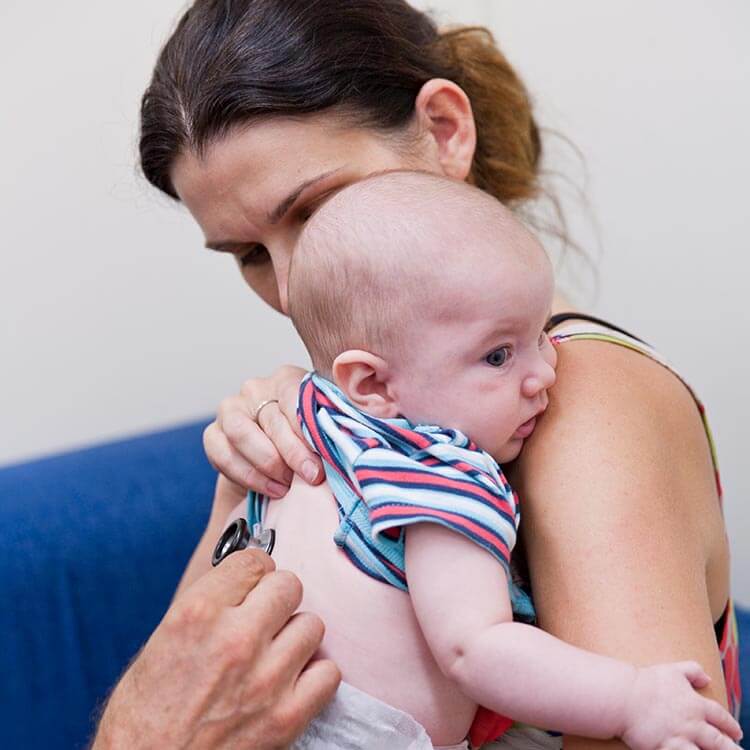
A groundbreaking WA trial, published in The Lancet, has determined that a laryngeal mask for babies is preferred over endotracheal tube during minor surgeries
prior exposure to suicide and prior exposure to suicide attempt in the general population are associated with increased odds of subsequent suicidal behavior
AuStralian Collaboration to Enhance Neuro-Development
The airway mucosal epithelium is the main gateway of entry for numerous human respiratory viruses, including human influenza virus, respiratory syncytial virus, coronavirus, and rhinoviruses. For respiratory viruses to perpetuate infection, they must be able to traverse the airway mucosal epithelium and then spread into distal sites of the respiratory tract and lung parenchyma.
This chapter deals with asbestos-related non-malignant pleural disease and mesothelioma.
Parent-infant interactions provide the foundation for the development of infant socioemotional wellbeing. Preterm birth can have a substantial, and often detrimental, impact on the quality of early parent-infant interactions. Sensory processing difficulties, common in preterm infants, are further associated with poorer interaction quality.
Parents of young children with type 1 diabetes (T1D) are at risk of experiencing elevated stress due to their responsibilities as caregivers. Despite this, there are limited interventions designed to enhance resilience in this population of parents. This pilot randomised controlled trial aimed to examine the acceptability, appropriateness, and feasibility of the Promoting Resilience in Stress Management for Parents (PRISM-P) intervention in parents of young children with T1D.
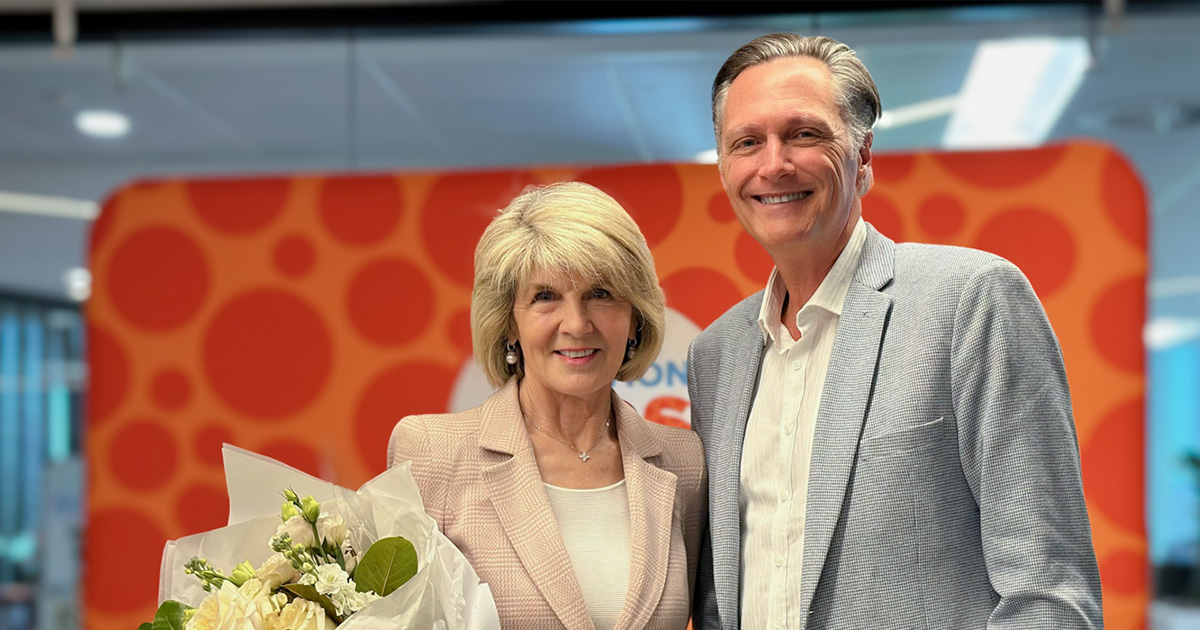
The Chair of The Kids Research Institute Australia, the Hon Julie Bishop, has stepped down after five years to allow her to focus on her critical role as the United Nations Secretary General’s Special Envoy on Myanmar.