
Search
Showing results for "lung disease preterm"
Telethon Institute awarded two national Centres of Research Excellence
Research has found evidence that the amount and timing of alcohol consumption in pregnancy affects child behaviour in different ways
Design custom data collection forms using WinForms and ASP.Net, administration of data collection, and general database interrogation and management.
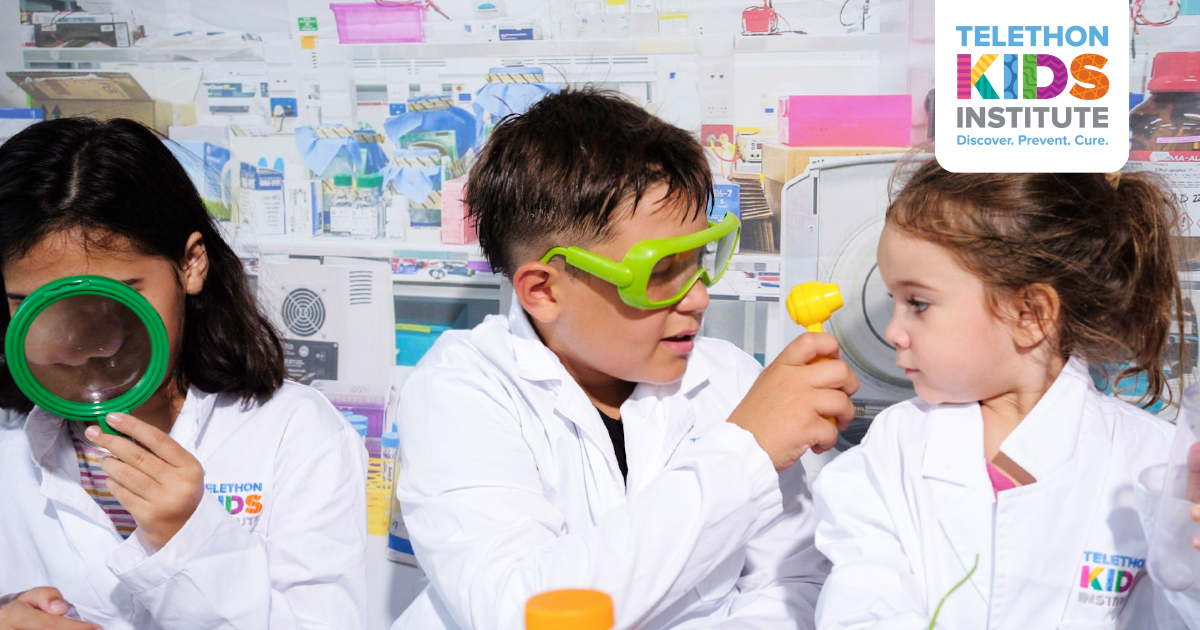
The Kids Research Institute Australia is bringing science to the Kimberley, with a series of free activities for children and families in Broome in the leadup to National Science Week.
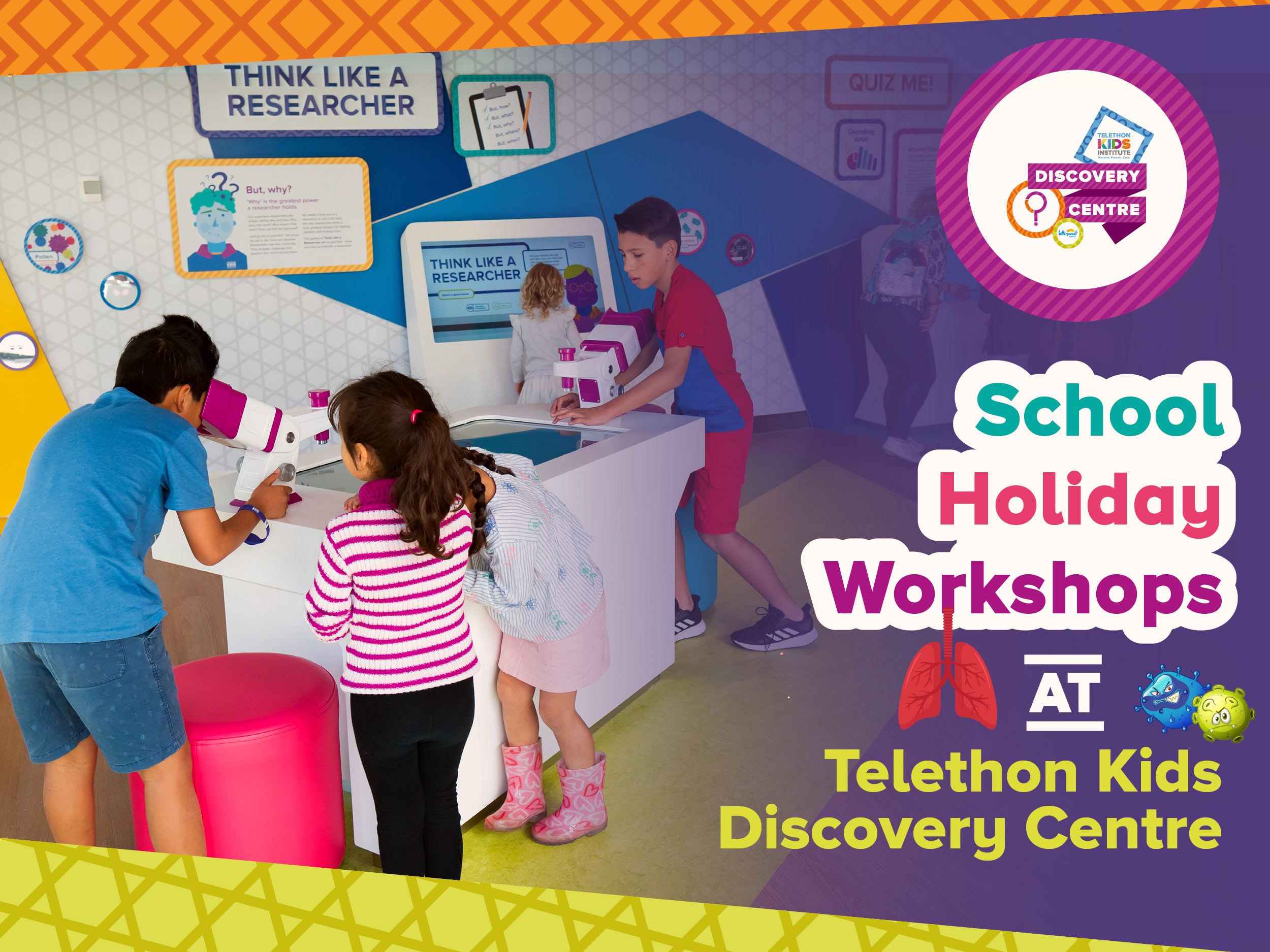
The The Kids School Holiday Workshops are back on this January holidays with a bigger and bolder program of fun and educational workshop for kids!
Perioperative respiratory adverse events (PRAE) are a main cause of morbidity and mortality in paediatric anaesthesia. Clinicians need to be able to predict their patients' risk of PRAE to plan their care. Clinical risk prediction tools have been developed to assist with pre-operative risk stratification; however, validation outside the contexts of their development is limited. In this study, we test the ability of common risk prediction tools to identify patients at high risk of PRAE in general anaesthesia.
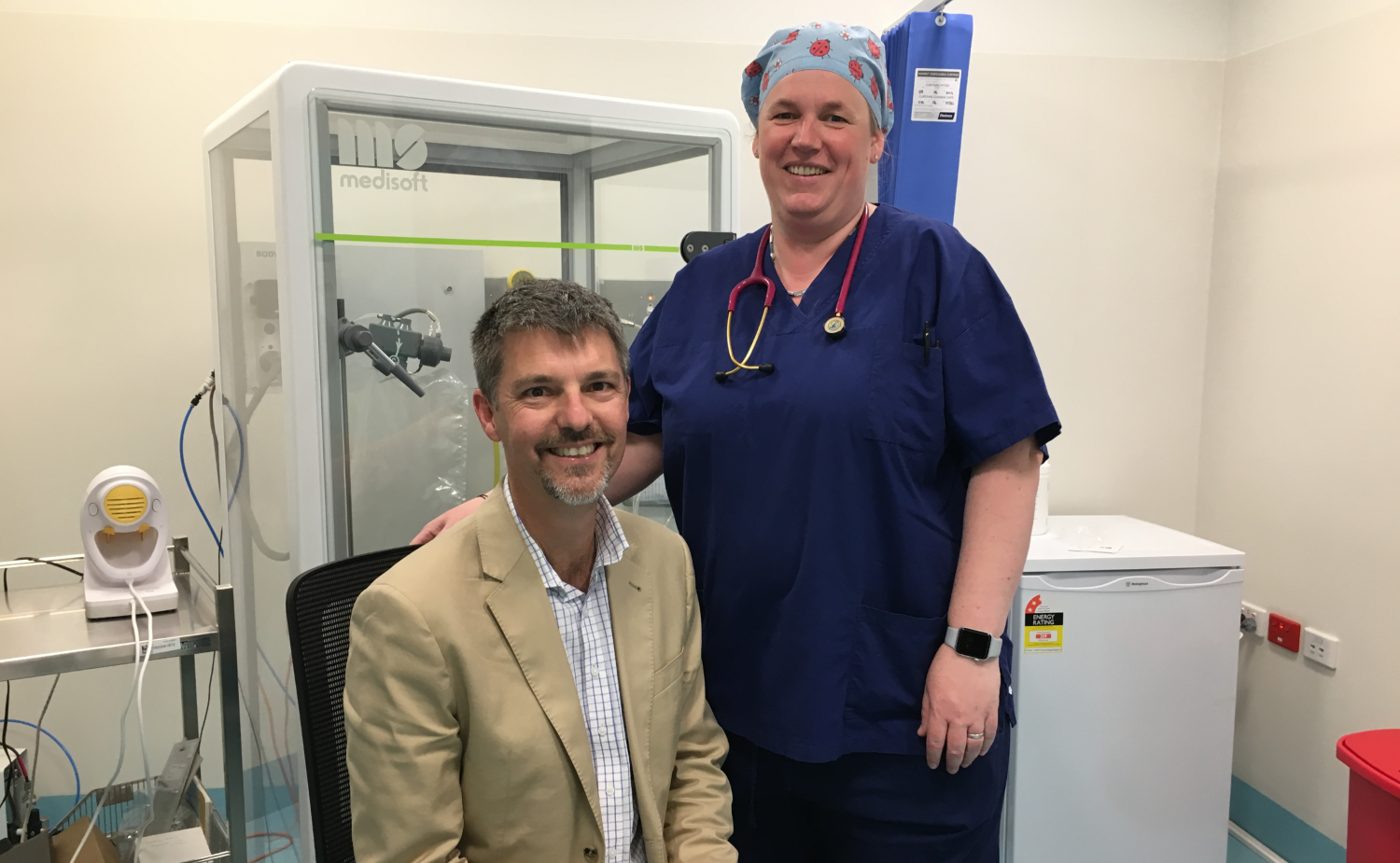
World-first findings from the collaborative REACT study – a joint project between The Kids, PCH, UWA and Curtin University – have led to the asthma medication Ventolin being routinely given to paediatric patients before tonsillectomy surgery to prevent respiratory complications.
Perioperative anxiety is a common and distressing aspect of anaesthesia for many children, resulting in management challenges at the time of anaesthesia and potential physical and psychological adverse outcomes. We conducted this qualitative phenomenological study to explore the perspectives of children, parents and staff on perioperative anxiety in our institution. Planned recruitment was 20 each of children who had undergone elective anaesthesia, their parents and staff.
The authors' international collaboration of researchers and clinicians was established to develop core outcome sets for infants, children, and adolescents. Here, the authors report on a qualitative mixed methods study with semistructured interviews of parents/guardians and their children undergoing anesthesia for surgery along with perioperative healthcare providers.
Children are sometimes transported via fixed or rotary wing aircraft for medical care. If they are intubated with a cuffed endotracheal tube (ETT), changes in environmental pressure during transport can alter cuff pressure. Cuff management in this setting varies widely by region and by organization. In this historical review, we sought to delineate the evolution of ETT cuff management in children undergoing aeromedical retrieval in order to progress the field toward an optimum strategy in the future.