
Search
Showing results for "early lung health"
Our results suggest a complex but highly coordinated regulation of adipogenesis

An experimental study linked to the Mums Minds Matter project, which aims to determine if pregnant women's willingness to engage in online wellbeing programs varies across types.
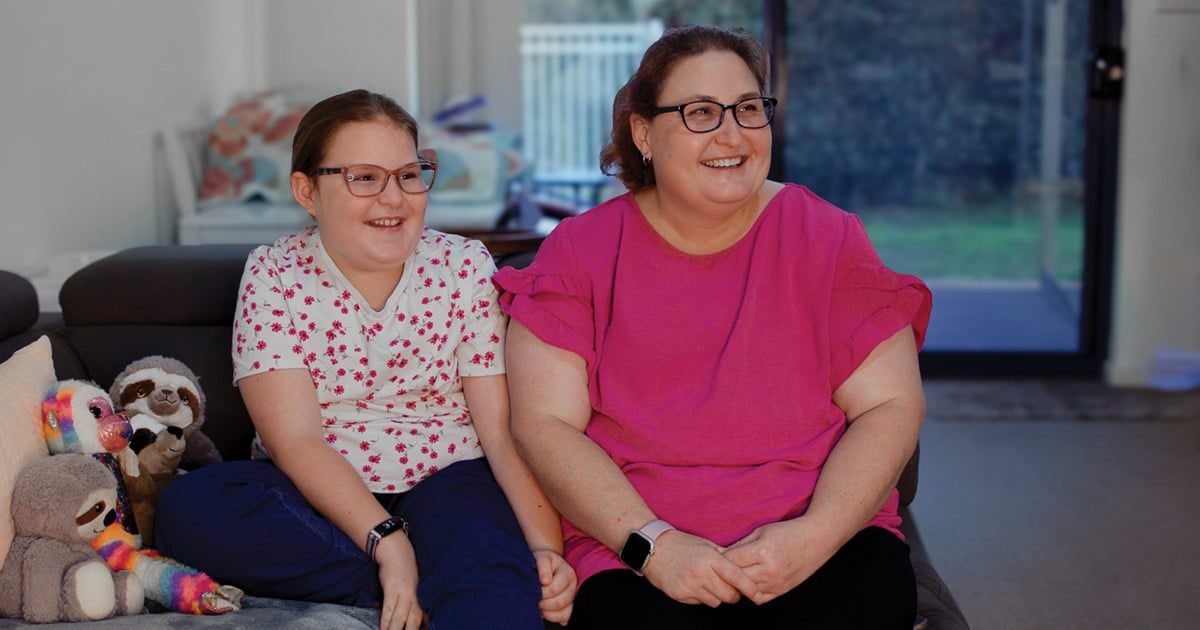
Helping children build resilience and cope with the trauma associated with medical emergencies and chronic health conditions is the focus of a promising pilot program being undertaken by The Kids Research Institute Australia.
Our projects that investigate trauma
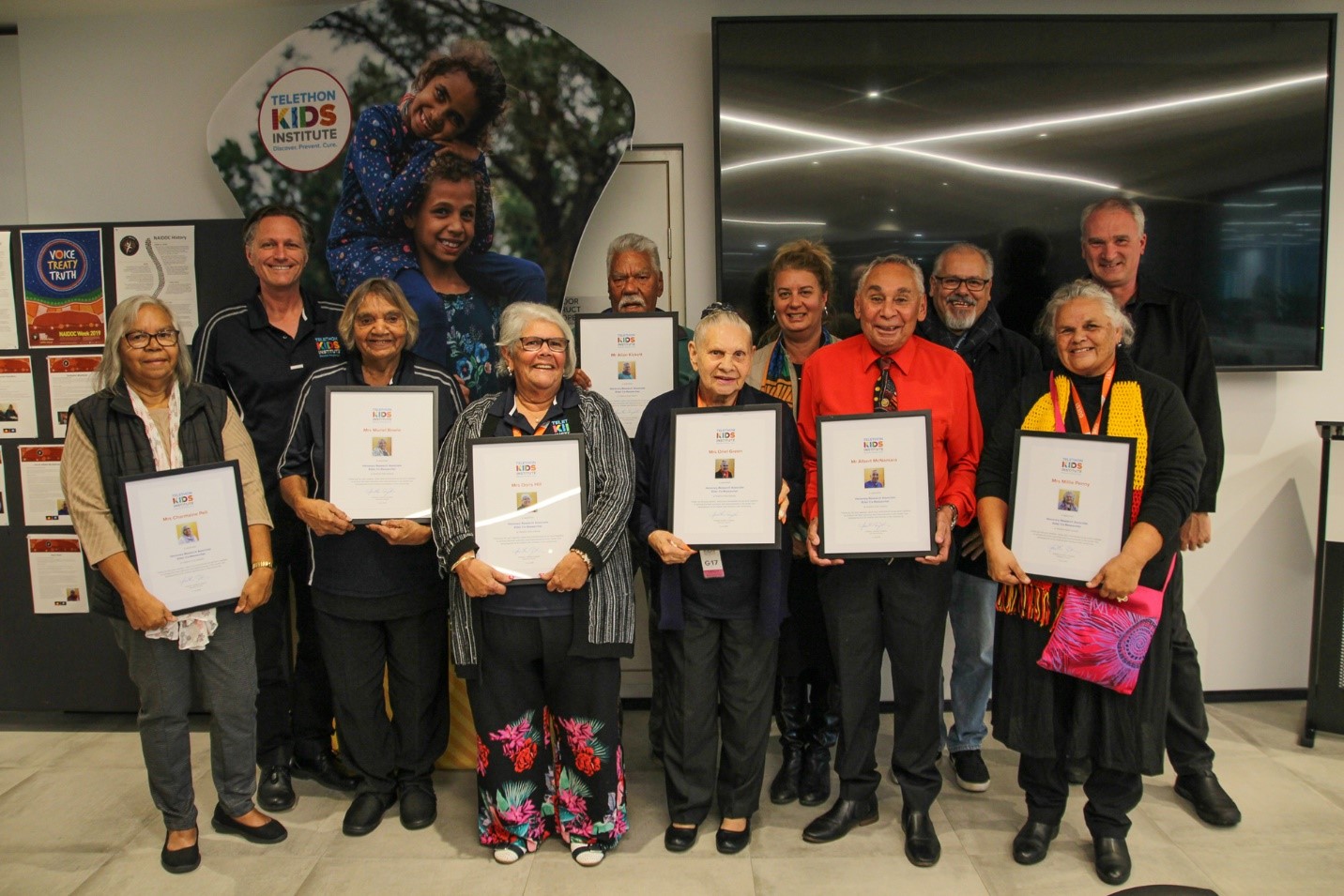
Executive Director Jonathan Carapetis said he was honoured to be able to work with the Elders in creating a bridge between the Institute’s research and the lives of Aboriginal children and families.
Providing remote communities with access to chlorinated swimming pools has been considered as a possible strategy for reducing ear and skin infection rates...
Pregnancy provides an opportunity to strengthen health system responses and address whole-of-life health for women with rheumatic heart disease
Substance use, depression and low school motivation impacted on discrepancy in externalizing behaviour scores for 14-year-old male adolescents and their parents
The potential for human-computer interaction to have a substantial impact on adults is well documented. However, its potential importance prior to birth has rarely been reported. Parental use of smartphones and tablet computers could influence the relationship between parent and baby during pregnancy (prenatal attachment) and thus child development.
Steve Desiree Zubrick Silva FASSA, FAAMHS, MSc AM PhD MBBS, FRACP, MPH, PhD Honorary Emeritus Research Fellow Co-Director, ORIGINS 08 6319 1409