
Search
Showing results for "lung disease preterm"
dentifying the outcomes that matter in clinical research is important, especially those that matter to patients and their parents/guardians. Consistency in outcome reporting enables meaningful assessments of interventions and facilitates comparison of results across trials. The aim of this study was to develop core outcome sets for pediatric perioperative research.
Hypoxaemia occurs in approximately 30% of children during anaesthesia for flexible bronchoscopy. High-flow nasal oxygen (HFNO) can prolong safe apnoea time and be used in children with abnormal airways. During flexible bronchoscopy, there is limited evidence if HFNO confers advantages over current standard practice in avoiding hypoxaemia. The aim is to investigate feasibility of HFNO use during anaesthesia for flexible bronchoscopy to reduce frequency of rescue oxygenation and hypoxaemia.
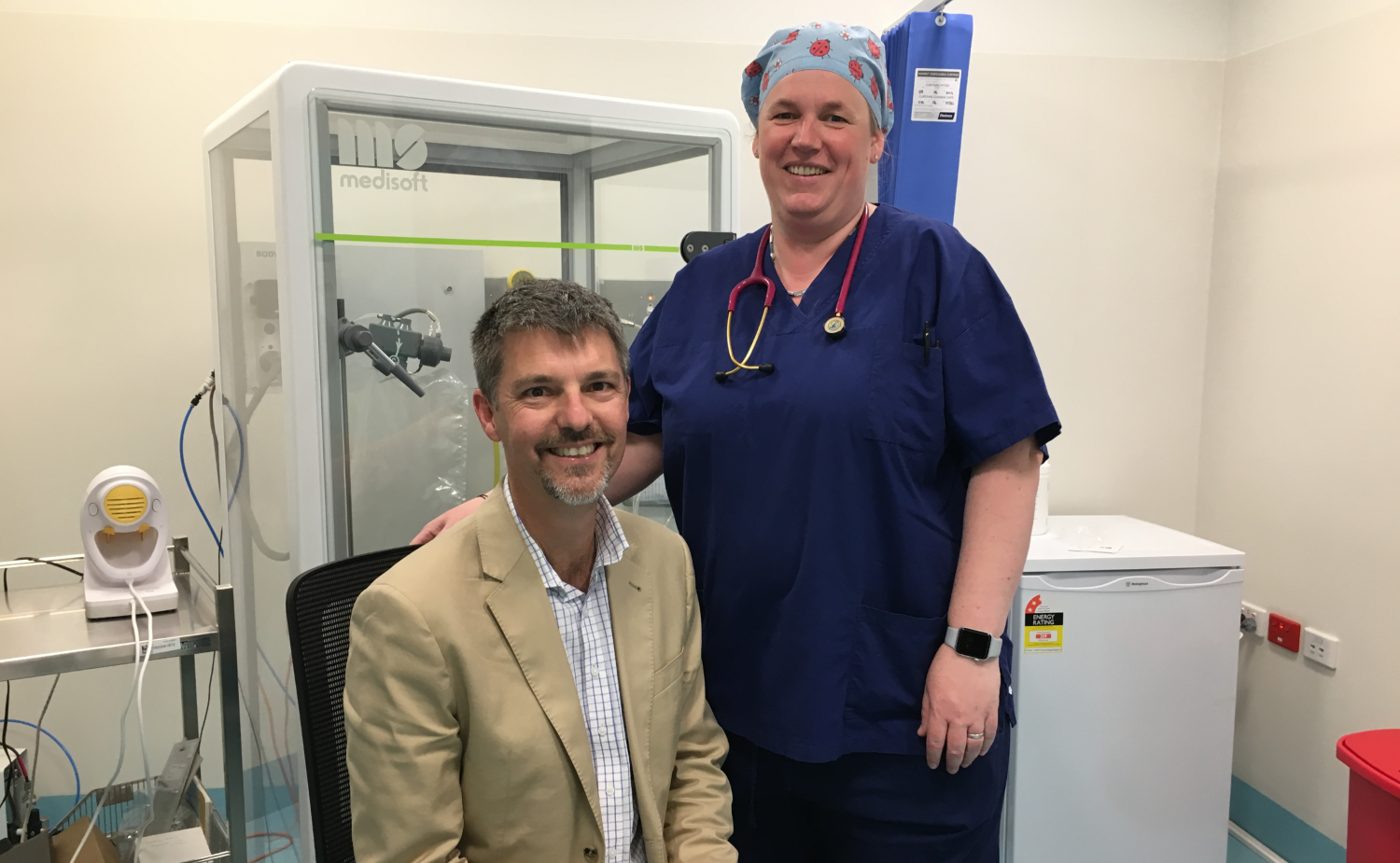
World-first findings from the collaborative REACT study – a joint project between The Kids, PCH, UWA and Curtin University – have led to the asthma medication Ventolin being routinely given to paediatric patients before tonsillectomy surgery to prevent respiratory complications.
The Paediatric Difficult Intubation Collaborative identified multiple attempts and persistence with direct laryngoscopy as risk factors for complications in children with difficult tracheal intubations and subsequently engaged in initiatives to reduce repeated attempts and persistence with direct laryngoscopy in children. We hypothesised these efforts would lead to fewer attempts, fewer direct laryngoscopy attempts and decrease complications.
Management of the pediatric difficult airway can present unique clinical challenges. The Pediatric Difficult Intubation Collaborative (PeDI-C) is an international collaborative group engaging in quality improvement and research in children with difficult airways. The PeDI-C established a WhatsApp™ group to facilitate real-time discussions around the management of the difficult airway in pediatric patients.
Patients with a propensity for upper airway obstruction, including those with obstructive sleep apnea (OSA), are vulnerable in the perioperative period. OSA is an increasingly common disorder in children and, when present, is associated with an increased risk of perioperative respiratory adverse events (PRAE),1 morbidity, and mortality. Therefore, identifying at-risk patients is vital to provide tailored perioperative anesthetic management.
Sedated and awake tracheal intubation approaches are considered safest in adults with difficult airways, but little is known about the outcomes of sedated intubations in children. The primary aim of this study was to compare the first-attempt success rate of tracheal intubation during sedated tracheal intubation versus tracheal intubation under general anesthesia. The hypothesis was that sedated intubation would be associated with a lower first-attempt success rate and more complications than general anesthesia.
Multimodal analgesia is employed in paediatric pain management to maximise analgesia and minimise side effects. Tramadol is dosed at 1–1.5 mg/kg to treat severe pain in children but the assay for tramadol in plasma samples for pharmacokinetic and toxicology studies does not often consider concurrently administered medications.
The paediatric population has a low adherence and acceptance rate of unpalatable medicines. This study aimed to determine whether eating chocolate immediately prior to drug administration would help to mask the bitter taste of a drug. The difference in taste masking efficacy between white, milk and dark chocolate was a secondary measure outcome.
The authors recognized a gap in existing guidelines and convened a modified Delphi process to address novel issues in pediatric difficult airway management raised by the COVID-19 pandemic. The Pediatric Difficult Intubation Collaborative, a working group of the Society for Pediatric Anesthesia, assembled an international panel to reach consensus recommendations on pediatric difficult airway management during the COVID-19 pandemic using a modified Delphi method.