
Search
Showing results for "Childhood interstitial lung disease "
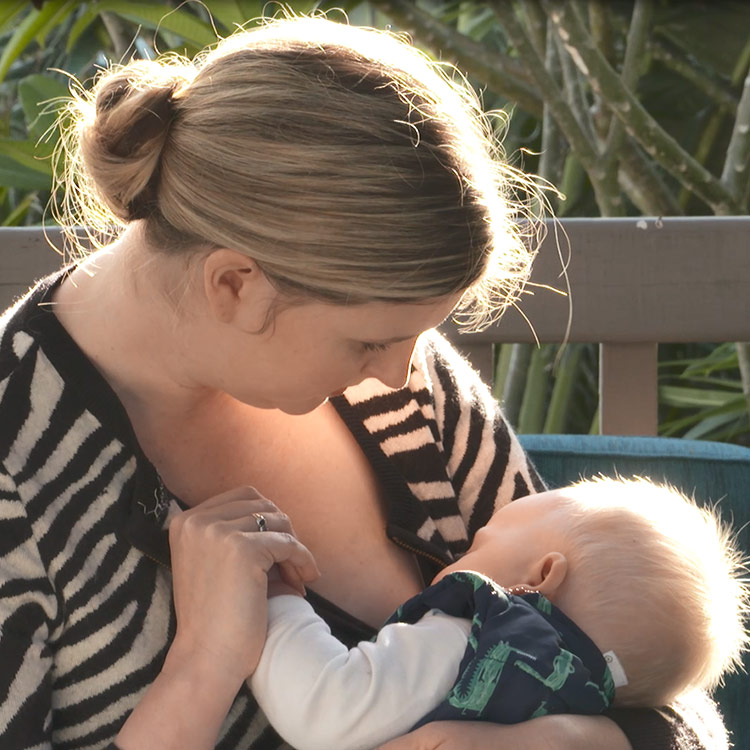
The Kids Research Institute Australia has shown that stopping breastfeeding and introducing formula milk before babies reach six months of age is linked to an obesity risk.
Event-free survival considers other adverse events in addition to mortality. It therefore provides a more complete understanding of the effectiveness and consequences of treatment than standard survival measures, but is rarely reported at the population level for childhood cancer.
Neonatal sepsis remains one of the key challenges of neonatal medicine, and together with preterm birth, causes almost 50% of all deaths globally for children younger than 5 years. Compared with advances achieved for other serious neonatal and early childhood conditions globally, progress in reducing neonatal sepsis has been much slower, especially in low-resource settings that have the highest burden of neonatal sepsis morbidity and mortality.
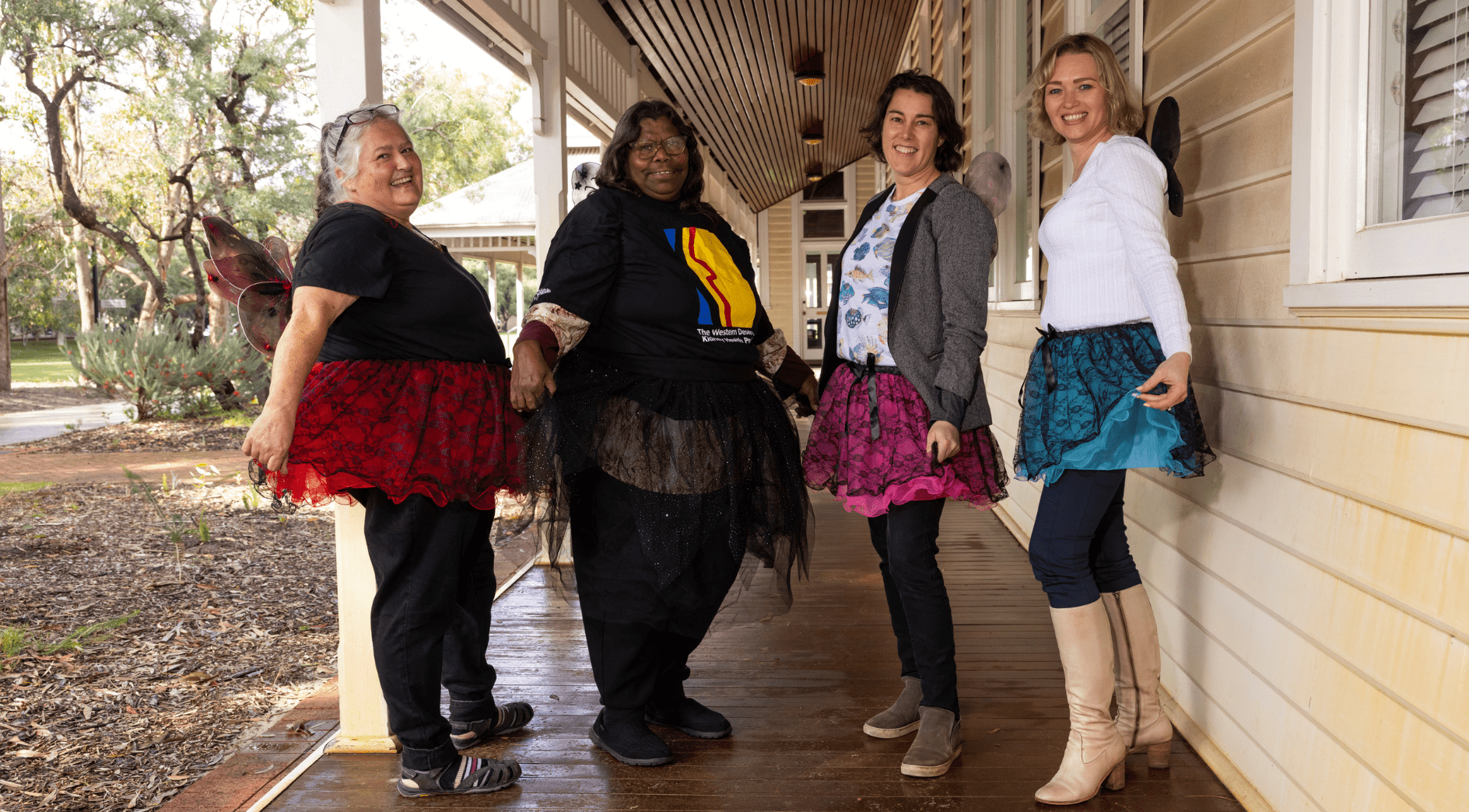
This Australian-first study will simultaneously identify childhood exposure to heavy metals in regional and remote communities and provide these communities with training in drinking water quality, STEM and dental hygiene.
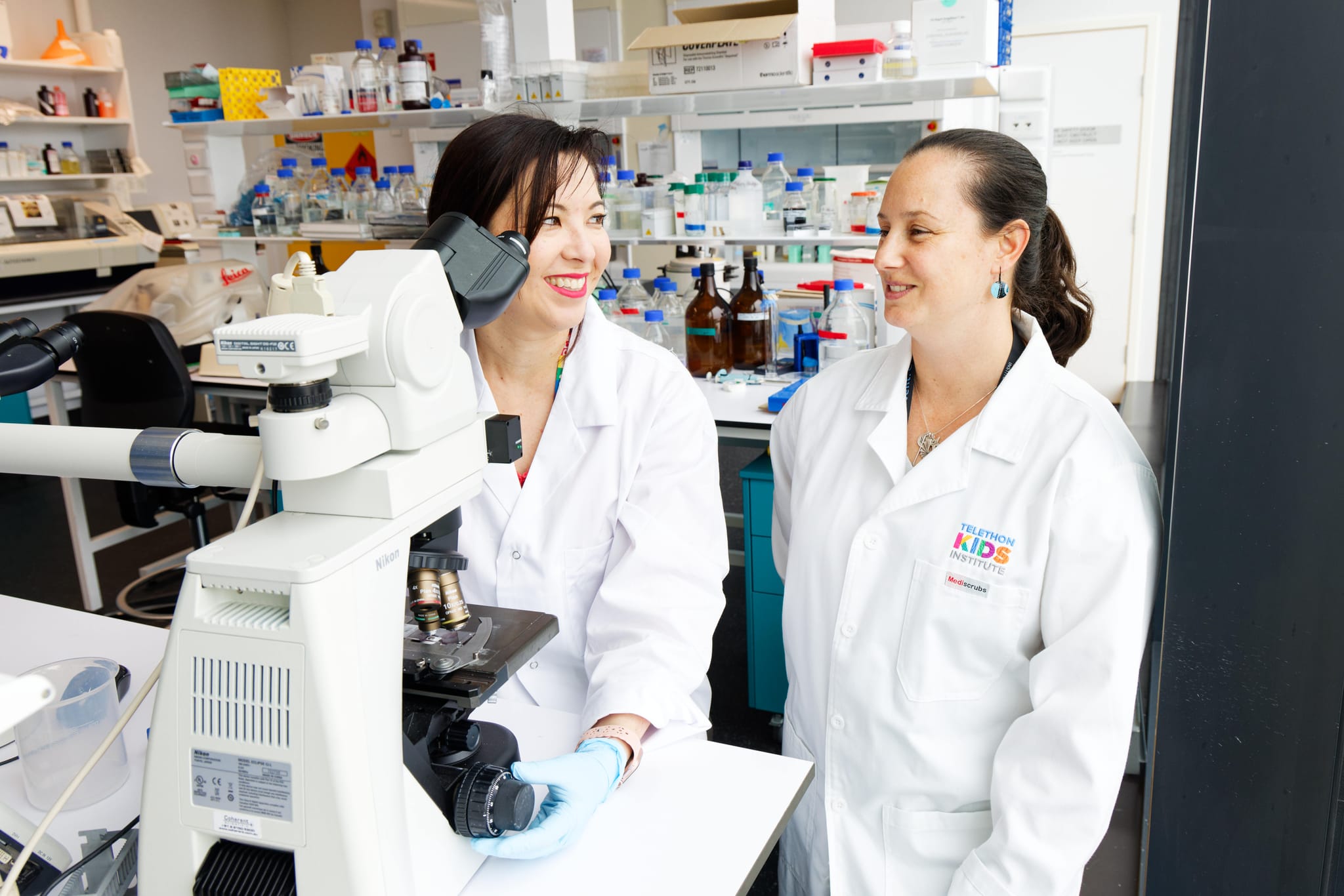
Dr Jessica Buck and Associate Professor Raelene Endersby have been appointed to the prestigious Australian Brain Cancer Mission Expert Advisory Panel.
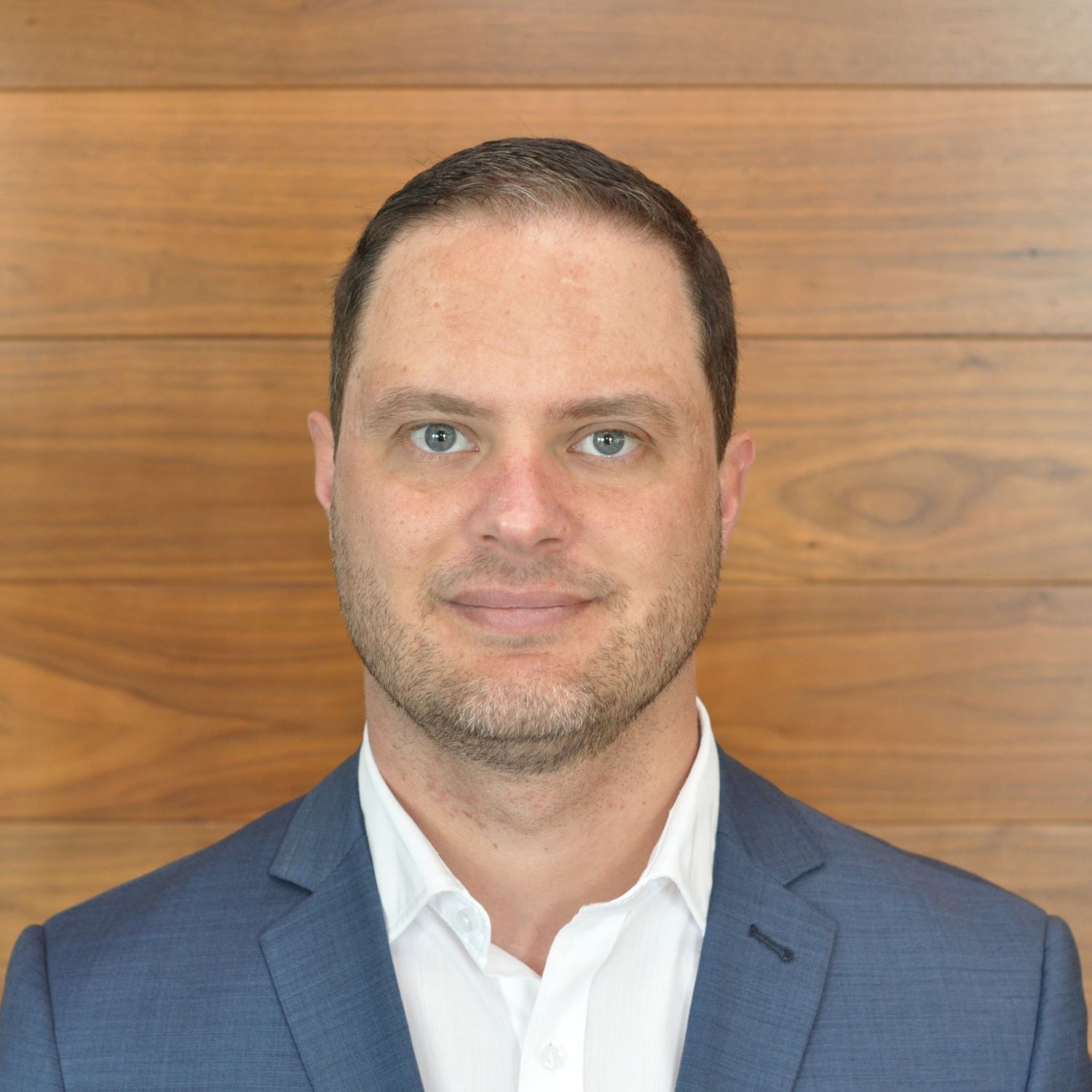
Dr Jeffrey Cannon is a Health Economist at The Kids Research Institute Australia. Jeff completed his PhD in health economics at the University of Western Australia. His work in health and medical research spans across maternal and newborn health, infectious diseases and more recently, childhood onset diabetes.
Recruiting control subjects who are representative of the population from which the cases are drawn is a challenge in case-control studies
Acute leukaemia is the most common childhood malignancy. Almost all cases are classified as acute lymphoblastic leukaemia or acute myeloid leukaemia. Acute leukaemia of ambiguous lineage (ALAL) is a rare form of acute leukaemia that cannot be classified by a single lineage. Like other acute leukaemias, ALAL typically presents with nonspecific symptoms such as fatigue, fever, or bleeding.
This paper examined the link between UV exposure and vitamin D production in young children to determine how long it takes for sun exposure to affect serum...
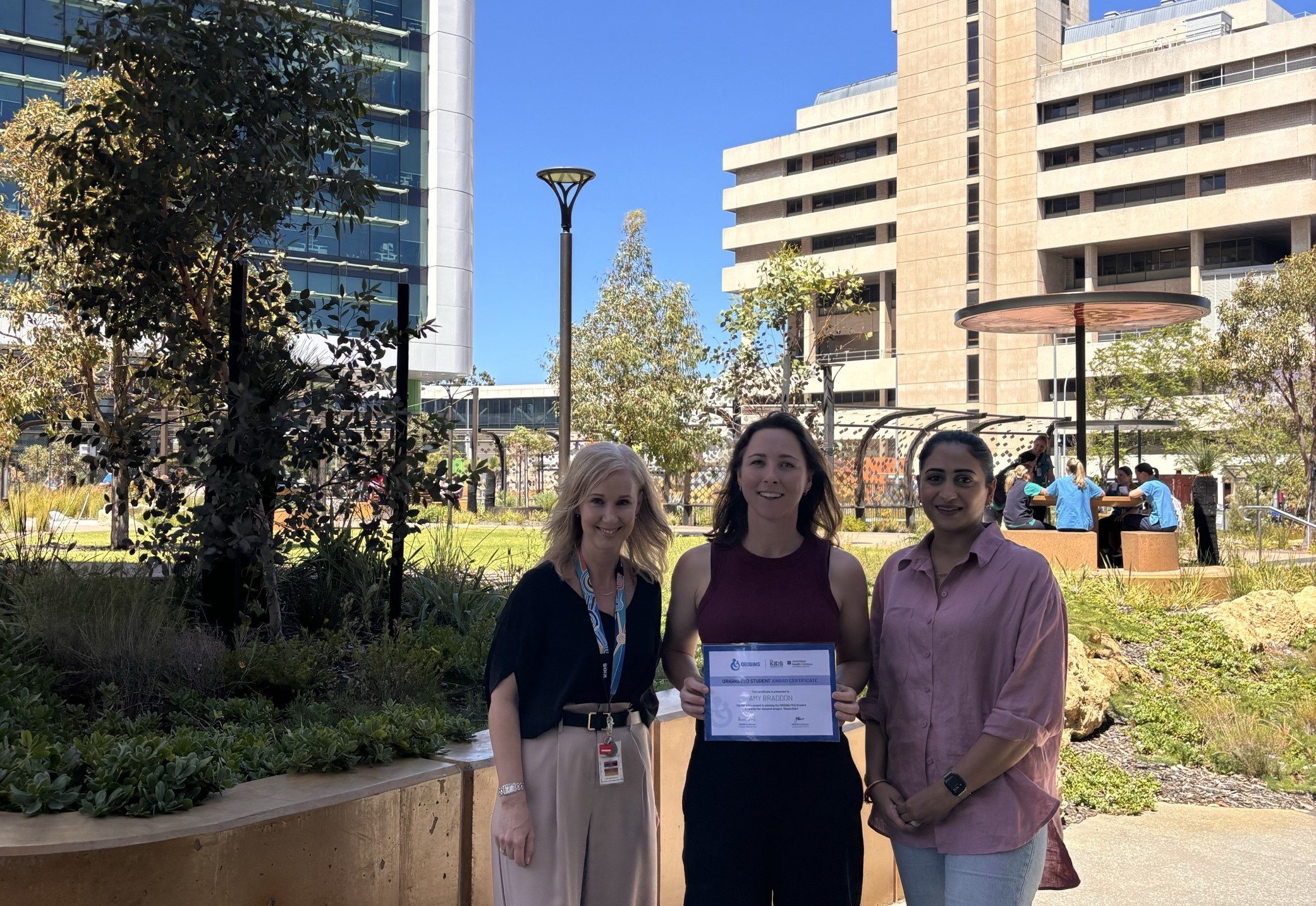
Miss Braddon will be awarded with $15,000 to go towards her research project, DreamStart