
Search
Showing results for "aboriginal respiratory"
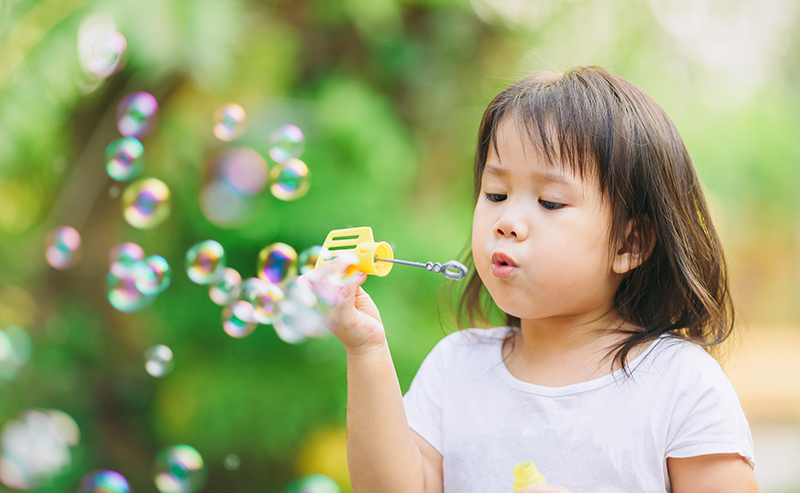
Almost 50 per cent of preschool children will experience at least one episode of wheeze, a whistling sound produced by the airways during breathing.
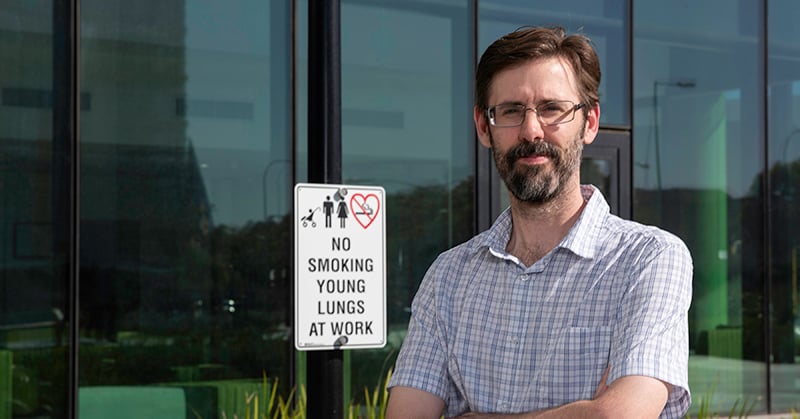
Women who are pregnant or who think they could be have been urged to avoid using e-cigarettes, due to lack of evidence about their safety.
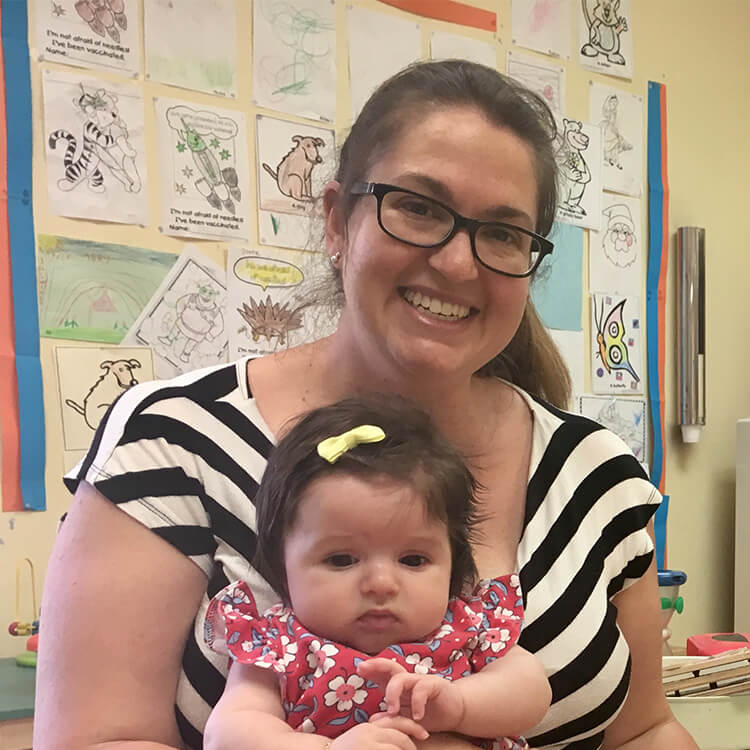
New mothers in Perth are teaming up with researchers at The Kids Research Institute Australia in a global bid to develop the first vaccine to prevent Respiratory Syncytial Virus (RSV) disease.
Researchers at The Kids Research Institute Australia have found children with vitamin D deficiency are more likely to develop asthma.
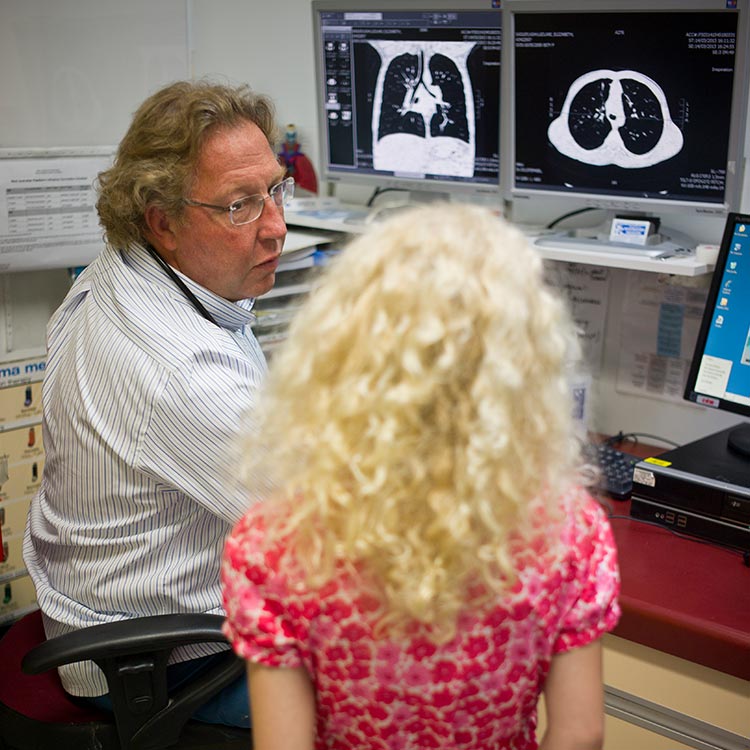
Early intervention is being touted as the key to preventing lung damage in children with cystic fibrosis.
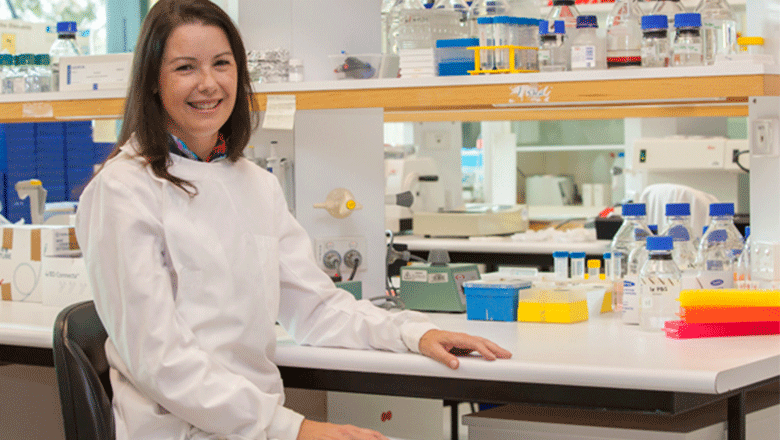
When Ingrid Laing was born, the outlook for kids with cystic fibrosis was bleak. Her parents were told she might make it to 20 if she was lucky.
Research by The Kids Research Institute Australia will soon ensure young children are better protected against whooping cough.
Professor Graham Hall is leading a study looking at exercise-related asthma in young children, and we need volunteers to take part.
Psychological distress in the early postpartum period can have long-lasting deleterious effects on a mother's well-being and negatively affect her infant's development. Intervention approaches based in contemplative practices such as mindfulness and loving-kindness and compassion are intended to alleviate distress and cultivate well-being and can be delivered effectively as digital mental health interventions.
Developmental language disorder (DLD) is one of the most common neurodevelopmental conditions. Due to variable rates of language growth in children under 5 years, the early identification of children with DLD is challenging. Early indicators are often outlined by speech pathology regulatory bodies and other developmental services as evidence to empower caregivers in the early identification of DLD.