
Search
Showing results for "early lung health"
Young children are increasingly exposed to evolving screen technology. International guidelines recommend no screen use for children under the age of 2 years, due to the potential for detrimental effects on behaviour and development. However, evidence for these guidelines is limited by inadequate consideration of device-specific effects (TV and mobile phone/tablet computer), maternal screen use, confounders such as maternal mental health and importance of effect sizes.
Overlap between non-suicidal self-harm and suicidal ideation and behavior in young people with both symptom continuity and symptom duration implicated in this association
A minority of 4- to 17-year-olds with ADHD and major depressive disorder were being treated with stimulant or antidepressant medication
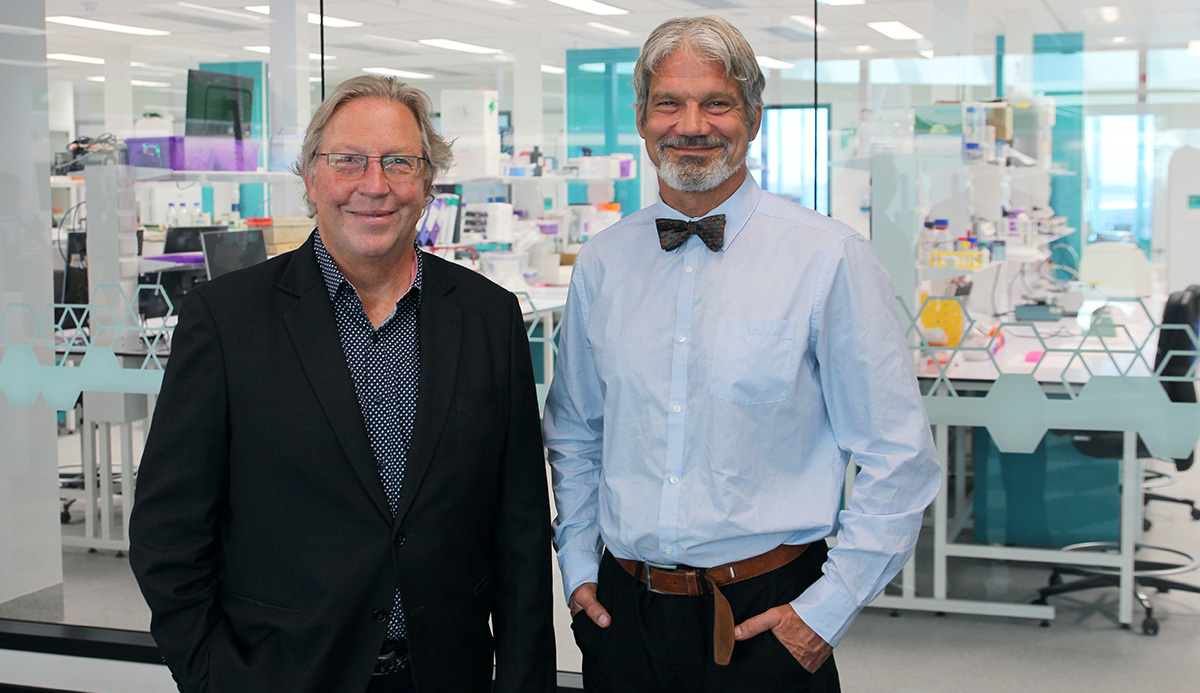
Perth researchers are leading an international clinical trial focused on preventing the spread of COVID-19 by testing the effectiveness of the drug interferon in reducing the infectiousness of people who contract the virus.
In Australia, there is little empirical research of the racial identity of Indigenous children and youth as the majority of the current literature focuses on...

Research Officer

Elucidating the Interaction of CF Airway Epithelial Cells and Rhinovirus: Using the Host-Pathogen Relationship to Identify Future Therapeutic
Obesity is a contributing factor to asthma severity; while it has long been understood that obesity is related to greater asthma burden, the mechanisms though which this occurs have not been fully elucidated. One common explanation is that obesity mechanically reduces lung volume through accumulation of adipose tissue external to the thoracic cavity.
Mucus hyperconcentration in cystic fibrosis (CF) lung disease is marked by increases in both mucin and DNA concentration. Additionally, it has been shown that half of the mucins present in bronchial alveolar lavage fluid from preschool-aged CF patients are present in as non-swellable mucus flakes.
The Kids Research Institute Australia was awarded funding to establish a whole-of-state Centre of Linked Data Analytics and Social Policy.