
Search
Showing results for "aboriginal respiratory"
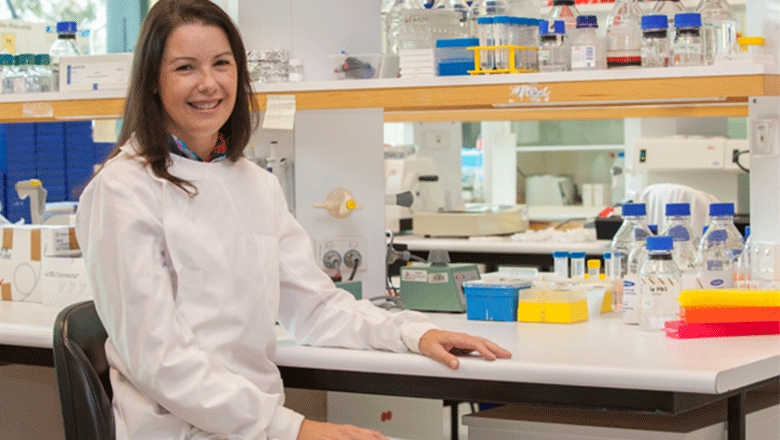
When Ingrid Laing was born, the outlook for kids with cystic fibrosis was bleak. Her parents were told she might make it to 20 if she was lucky.
Research by The Kids Research Institute Australia will soon ensure young children are better protected against whooping cough.
Professor Graham Hall is leading a study looking at exercise-related asthma in young children, and we need volunteers to take part.
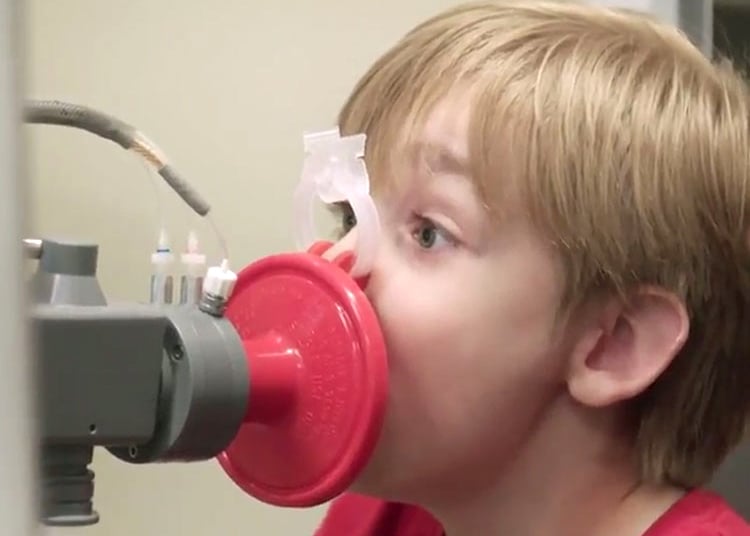
Information about cystic fibrosis awareness month and CF research at The Kids
An Australian-first study demonstrating the effectiveness of a new immunisation against respiratory syncytial virus (RSV) for babies found it to be almost 90 per cent effective in reducing hospitalisation rates and helped more than 500 WA families avoid a hospital stay.
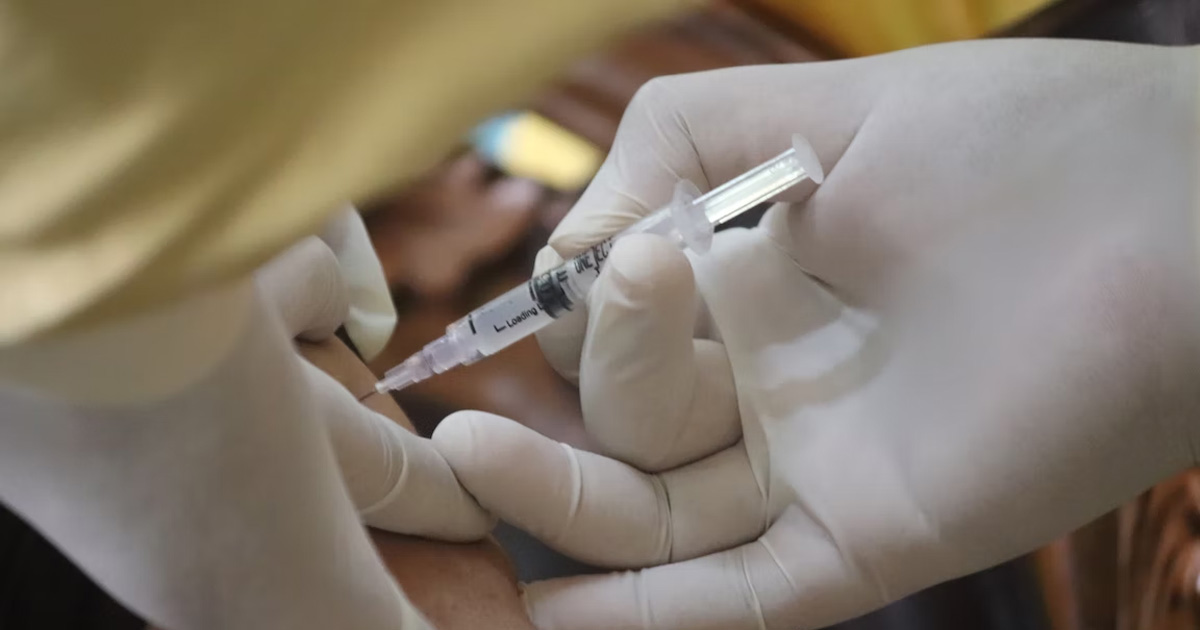
A world-first study has found a new vaccine against potentially deadly respiratory syncytial virus (RSV) is safe and effective for use in pregnant women, to help protect their babies.
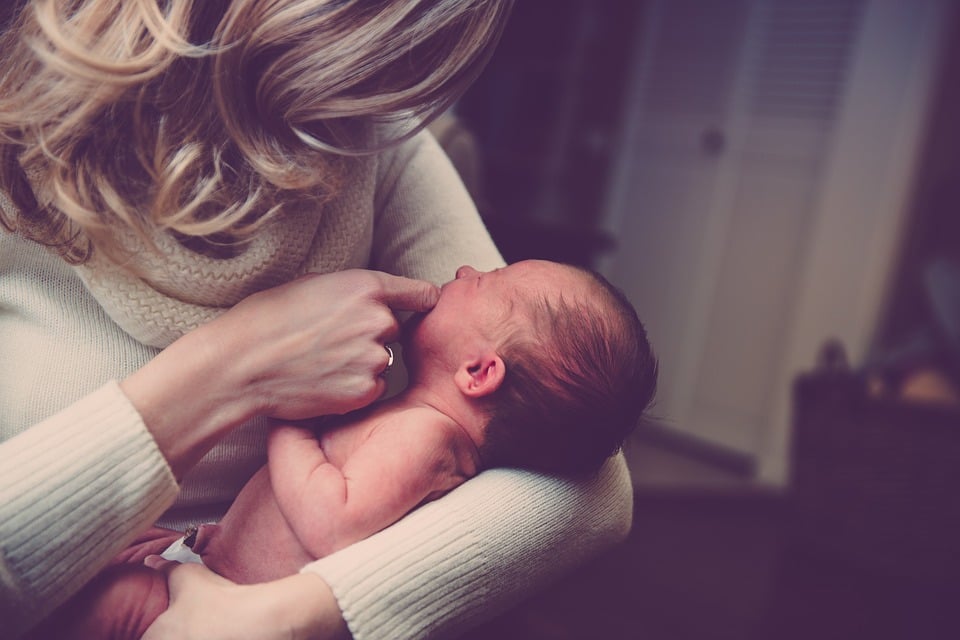
World-first immunisations providing protection against deadly respiratory syncytial virus (RSV) could be just months away thanks to global research efforts spanning multiple decades.
The Kids Research Institute Australia researchers have been awarded 12 grants in the latest round of funding from the WA Child Health Research Fund (formerly the Telethon-Perth Children’s Hospital Research Fund).
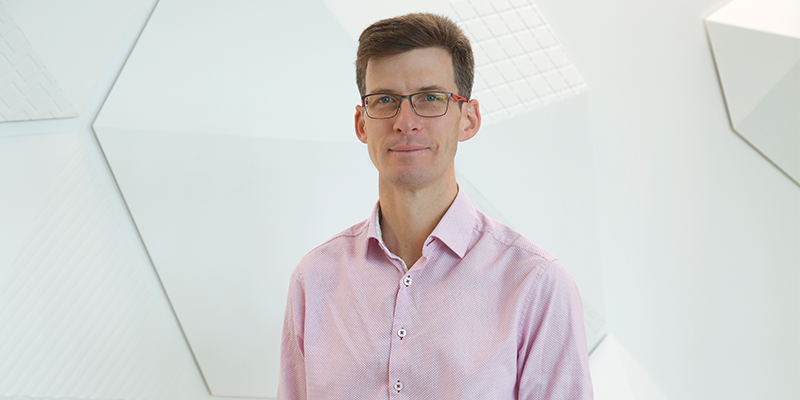
A The Kids researcher focused on ensuring kids are protected from infectious diseases will be named among WA’s most outstanding young scientists at the upcoming 2021 Young Tall Poppy Science Awards.
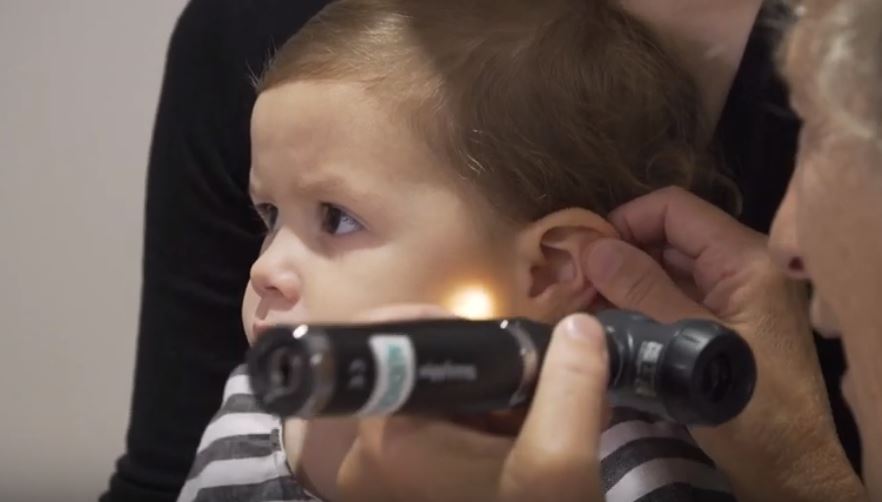
Researchers from The Kids Research Institute Australia have identified the main bacteria responsible for recurrent ear infections and repeat ear surgeries in children.