
Search
Showing results for "lung disease preterm"

Postdoctoral Researcher

A USD $3.25 million international grant will see researchers from The Kids Research Institute Australia and The University of Western Australia play a pivotal role in accelerating the development of next-generation malaria vaccines, helping protect children from one of the world's deadliest infectious diseases.

Six scientists from The Kids Research Institute Australia have been named finalists across four categories in the 2026 Premier's Science Awards.
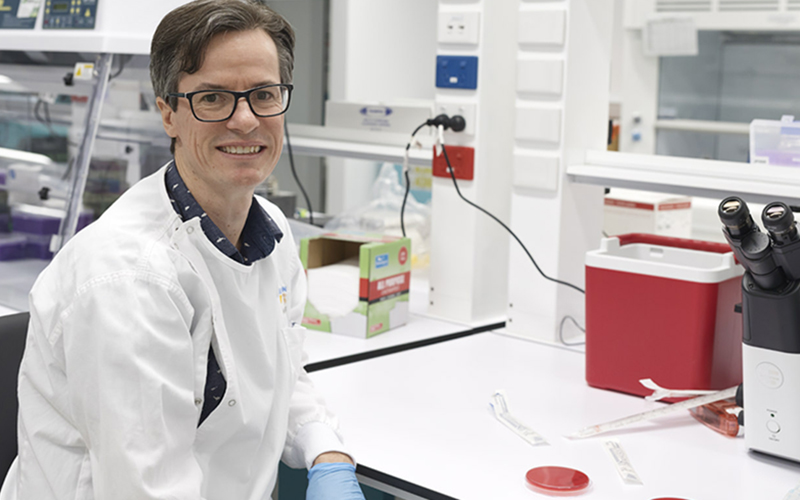
A rapid test to detect antibiotic-resistant skin infections in Aboriginal children could be a step closer, thanks to support from the FHRIF.

After 20 years at the Institute, Hannah’s career has been a whirlwind of discovery and dedication.
Your Stories Get in touch If you would like to share your story or chat through something in particular, please reach out. April Welsh Development
Multiple sclerosis (MS) is a condition where a person's immune system attacks the brain and spinal cord.
Goal: Characterize the pattern of contemporary and endemic ARF and develop a biological signature to improve sensitivity and specificity of ARF diagnosis.
Malaria is a focal disease and more localized in low endemic areas. The disease is increasingly becoming a concern in urban areas in most sub-Saharan African countries. The growing threats of Anopheles stephensi and insecticide resistance magnify this concern and hamper elimination efforts. It is, therefore, imperative to identify areas, within urban settings, of high-risk of malaria to help better target interventions.
Human milk is a rich source of immunomodulatory factors that influence the development of the infant immune system, including susceptibility to allergic diseases. Among these components, milk antibodies have been extensively studied for their role in protecting against infections; however, their potential contribution to allergy prevention may be equally important. The mechanisms of protection include allergen exclusion, enhanced and targeted antigen presentation, immune modulation via shaping of the infant gut microbiome, and direct regulation of gut immune responses.