
Evidence indicates that multistrain probiotics benefit preterm infants more than single-strain (SS) probiotics. We assessed the effects of SS versus…
/p> For people with cystic fibrosis (CF) lung disease begins very early in life, even before respiratory ... symptoms develop in some children. Worse…
Skin care for very and extremely preterm infant is an important and previously underappreciated topic. Coconut oil skin care for preterm infants is a…
HIV exposure is associated with altered lung function in early life, with a vulnerable HIV-exposed uninfected subgroup based on maternal disease seve…
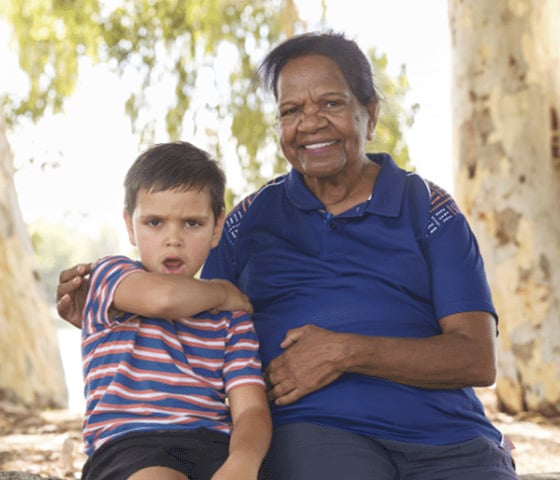
Our team aims to optimise lung health early in life to ensure the best possible health outcomes later in life.
Having a preterm (<37 weeks' gestation) birth may increase a woman's risk of early mortality. Aboriginal and Torres Strait Islander women have higher…
Increasingly, preterm-born children are entering adulthood as survival at earlier gestational ages improves. However, there is little understanding o…
The Global Lung Function ‘Caucasian’ and ‘Other’ spirometry equations do not match healthy Aboriginal FEV1 and FVC data
Limited evidence suggests that airway epithelial structure and function is disrupted in very preterm infants; however, the epithelial morphology and…
Parent-infant interactions provide the foundation for the development of infant socioemotional wellbeing. Preterm birth can have a substantial, and o…