
Search
Showing results for "early lung health"
Trans Pathways is set to receive an update ahead of the ten-year anniversary of the release of this seminal study from The Kids Research Institute Australia.

Despite national and global reports of rising incidences of cancer affecting children and young people, a new analysis has found rates of childhood cancer have remained unchanged over the last 30 years in South Australia and the Northern Territory.
Our results provide a possible functional link between Toxoplasma gondii infection and congenital/early life and adult neurological clinical signs
The Youth Safe Haven Project will co-design a youth-specific Safe Haven Café within the Peel Health Hub to serve as an alternative to the emergency department for young people at risk of suicide.
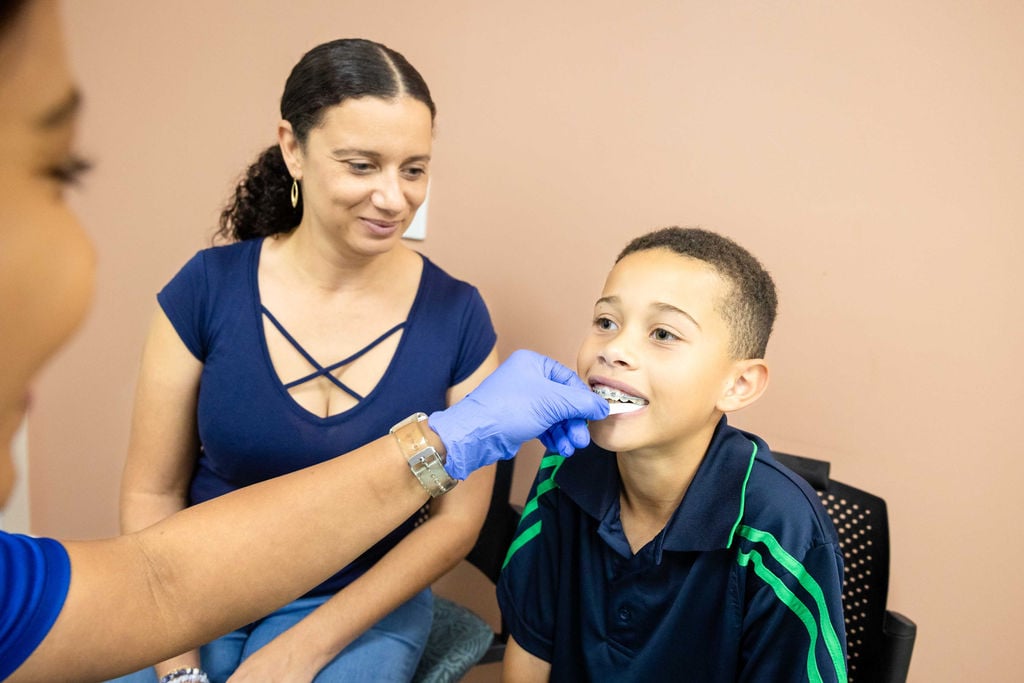
ORIGINS is an interventional cohort study, meaning participants receive timely feedback and an action plan to address any potential abnormalities.

A hub of resources to support cultural safety for Aboriginal and Torres Strait Islander young people, families, and communities.
People with intellectual disability experience significant gaps in healthcare delivery resulting in poor health outcomes. Appropriately designed healthcare is required to meet the needs of this population and achieve better health outcomes. Little is known about the structure of healthcare delivery for people with intellectual disability and whether it is effective or cost-effective.

A world-first program for babies with delays in their social and communication skills has been launched in Western Australia, thanks to support from the National Disability Insurance Agency (NDIA).
We have recently published a paper identifying precursor populations in peripheral lung (2017), and have also discovered that these populations can be found in multiple tissues.
Pseudomonas aeruginosa infections in the lungs affect millions of children and adults worldwide. To our knowledge, no clinically validated prognostic biomarkers for chronic pulmonary P. aeruginosa infections exist. Therefore, this study aims to identify potential prognostic markers for chronic P. aeruginosa biofilm lung infections.