
Search
Showing results for "aboriginal respiratory"
There are an estimated 5000 episodes per year of bloodstream infections due to Staphylococcus aureus (golden staph) in Australia and an associated mortality of 20%. Despite this, there is little clinical trials evidence to guide best management.
Melissa Rebecca O'Donnell Glauert BPsych (Hons), MPsych, GradDip Ed, PhD BPsych (Hons) PhD Honorary Research Associate Honorary Research Associate 08
In South Australian schools, students in Grade 4 to 12 are invited to participate in an annual survey about their wellbeing and engagement in school, referred to as the Wellbeing and Engagement Collection.
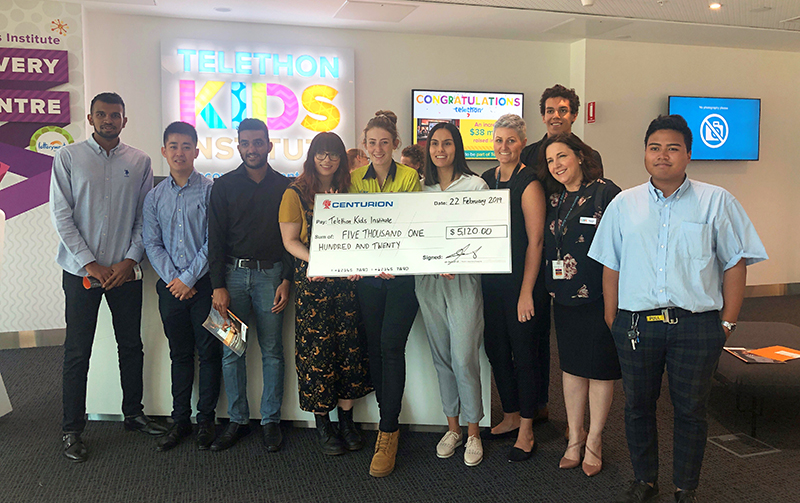
Vacation students from logistics and transport company Centurion raised over five thousand dollars for The Kids Research Institute Australia through a series of fundraising activities.
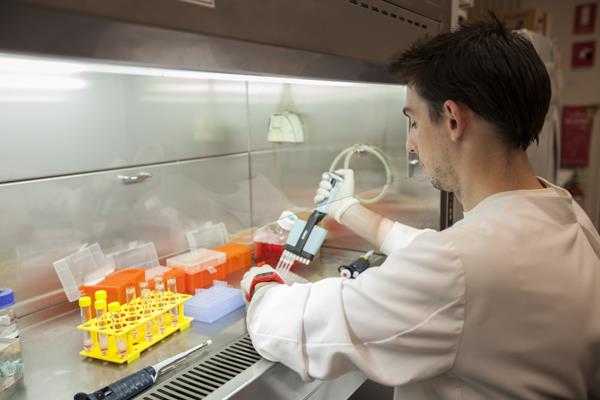
Our research teams are among the world’s best and we have strong affiliations with Perth Children's Hospital and all major Western Australian universities, particularly The University of Western Australia and Curtin University.
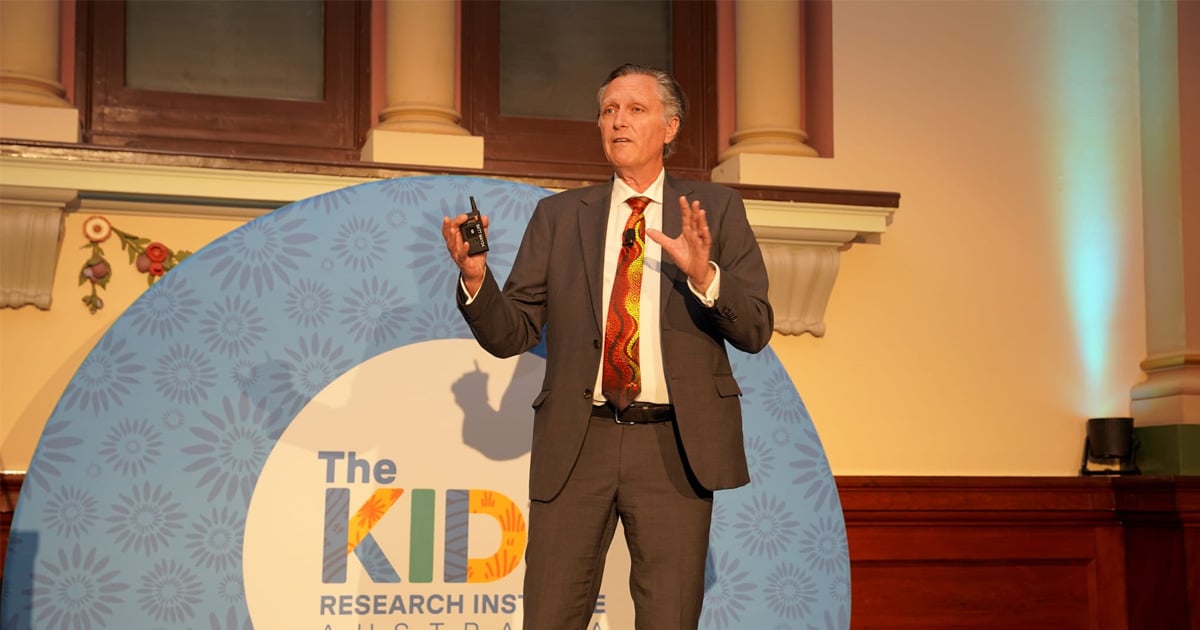
Last night, almost 60 supporters gathered at Adelaide Town Hall for the inaugural The Kids Research Institute Australia Adelaide Lecture, Not Just a Sore Throat: The Race to Stop One of the Deadliest Bugs on the Planet.
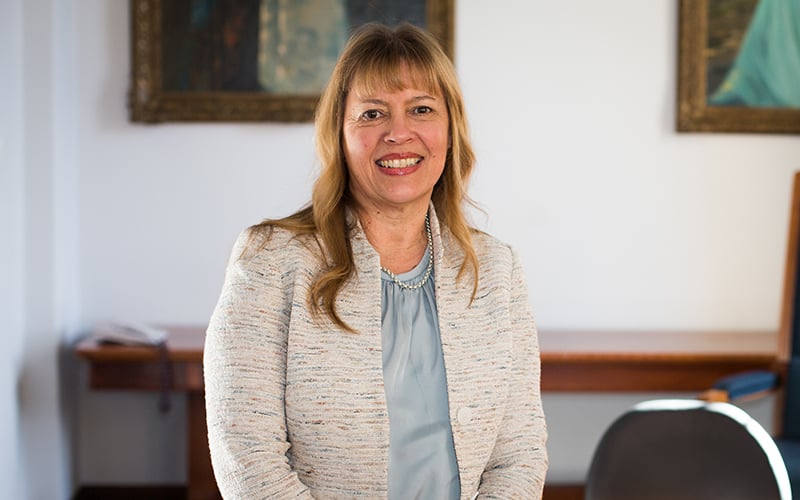
Congratulations to trailblazing mental health researcher Professor Helen Milroy, who has been announced as a finalist for the 2021 Human Rights Medal.
Australia's defence, infectious diseases
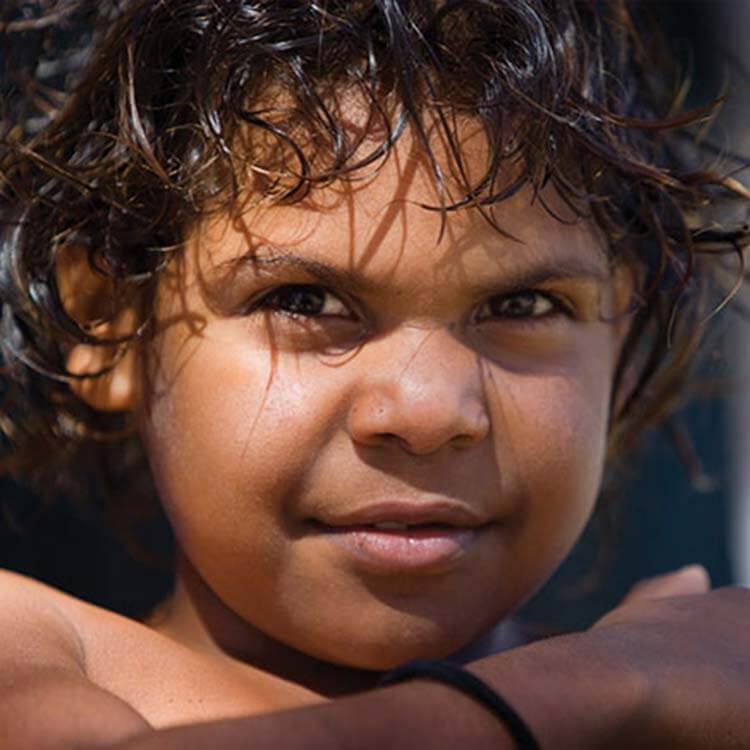
Painful monthly penicillin injections to treat and prevent Rheumatic Heart Disease (RHD) could be replaced with a longer-acting implant, a recent study has found.

More children across Australia are being vaccinated against the flu since funding was expanded and access widened under the National Immunisation Program