
Search
Showing results for "early lung health"

The CHIP Study investigates how burn injuries in children affect their immune system.
The Program Manager will supervise the activity of the management staff and the ORIGINS Working Group
Pneumonia is the leading cause of childhood morbidity and mortality globally.
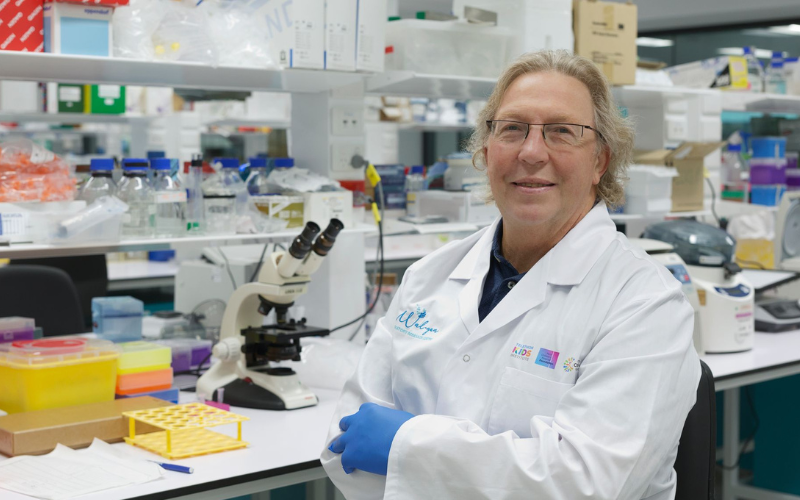
A project to be undertaken by a team of researchers at the Wal-yan Respiratory Research Centre, led by chief investigator Professor Stephen Stick, aims to develop interventions that could provide protection in the event of a new pandemic, and against common viruses already infecting children in WA.
Echocardiographic screening for rheumatic heart disease is cost-effective in our context
By directly engaging with women diagnosed with ovarian cancer, this study aimed to explore and identify their view of the health symptoms and outcomes that matter most to them as they traverse their disease pathway.
Maternal immunization with pneumococcal conjugate vaccine (PCV) may protect young infants in high-risk settings against the high risk of pneumococcal infections in early life. The aim of this study was to determine the safety and immunogenicity of 13-valent PCV (PCV13) in healthy women of childbearing age in PNG.
Although children of convicted parents experience a higher incidence of sociodemographic risk, their parents' criminal activity constitutes an independent risk factor for their development
Do hypertensive diseases of pregnancy disrupt neurocognitive development in offspring?
Modern societies are challenged by "wicked problems" - by definition, those that are difficult to define, multi-casual and hard to treat.