
Search
Showing results for "early lung health"
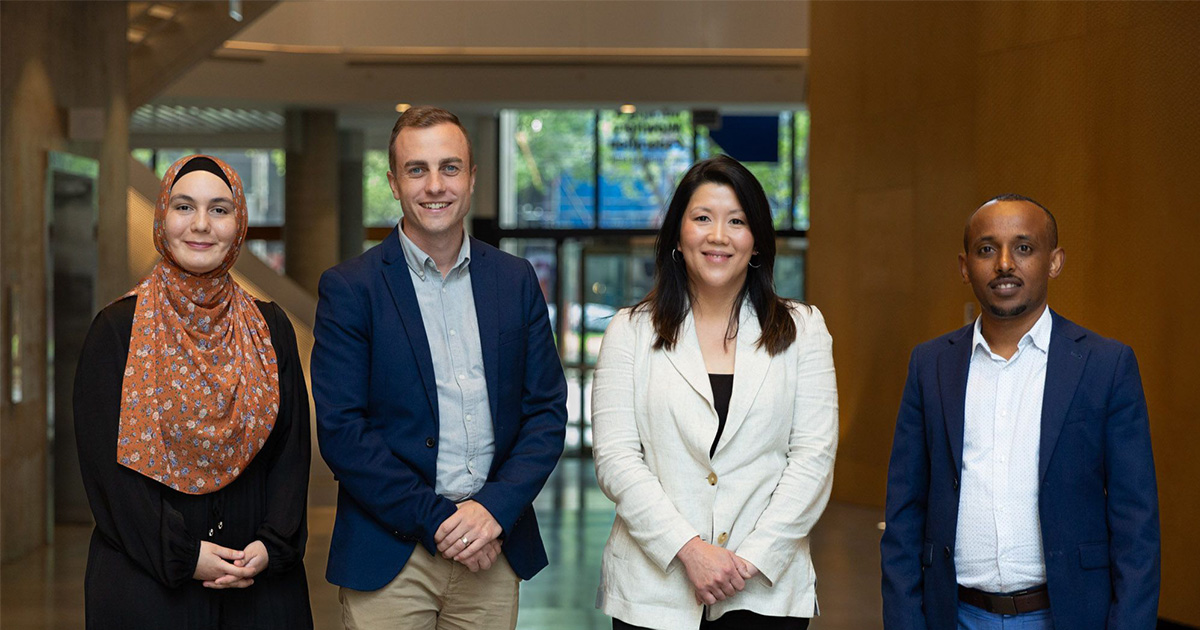
A leading tuberculosis researcher from The Kids Research Institute Australia and Curtin University has been named a finalist for the Association of Australian Medical Research Institutes (AAMRI) 2024 Rising Star Award.
Children diagnosed with autism spectrum disorder may be at higher likelihood of experiencing poorer oral health and difficulties accessing dental health care. However, identifying which children on the autism spectrum may be more vulnerable to experiencing dental care difficulties is still unknown.
Maternal antenatal exposure to life stress events has differing effects on the school performance of male and female offspring.

Healthy skin is a vital factor in the fight against life-threatening conditions like sepsis, heart disease and kidney disease, all of which can be caused by the bacteria Strep A.
Evidence suggests consumption of a Mediterranean diet (MD) can positively impact both maternal and offspring health, potentially mediated by a beneficial effect on inflammatory pathways. We aimed to apply metabolic profiling of serum and urine samples to assess differences between women who were stratified into high and low alignment to a MD throughout pregnancy and investigate the relationship of the diet to inflammatory markers.

K-Lynn Smith is a Research Fellow at the Australian Institute of Health Innovation and Partnership Centre for Health Systems Sustainability at Macquarie University NSW.

An InFocus Research Interview with Kirsten Hancock of the Human Capability Team at The Kids Research Institute Australia on multigenerational disadvantage in Australia.
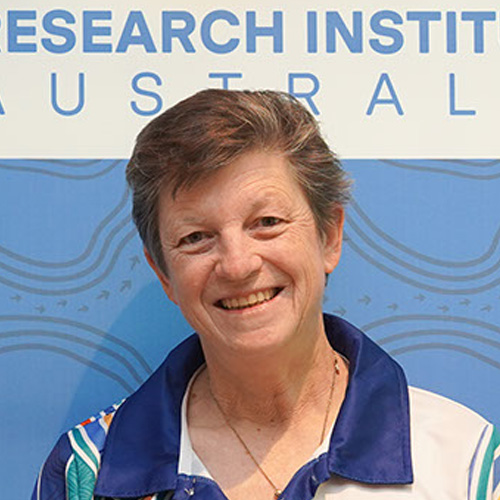
Head, Developmental Chronobiology
The respiratory tract is an attractive target for the delivery of vaccine antigens.
Melissa Fiona Helen O'Donnell Stanley Leonard BPsych (Hons), MPsych, GradDip Ed, PhD FAA FASSA MSc MD FFPHM FAFPHM FRACP FRANZCOG HonDSc HonDUniv