
Search
Showing results for "early lung health"
The respiratory tract is an attractive target for the delivery of vaccine antigens.

Strengths-based, tiered, accessible, resources and supports (STARS) for Kids for parent, carers and their children.
Intellectual and developmental disabilities are heterogeneous in aetiology and presentation, and one cannot make assumptions about the oral health barriers of those with Rett syndrome (RTT) based on findings from generic studies. This study investigated caregivers' perceptions regarding access to dental care for those with RTT, and associations of dental treatments received by those with RTT with their caregivers' perceived value of oral health and perception of their own as well as their daughter's dental anxiety.
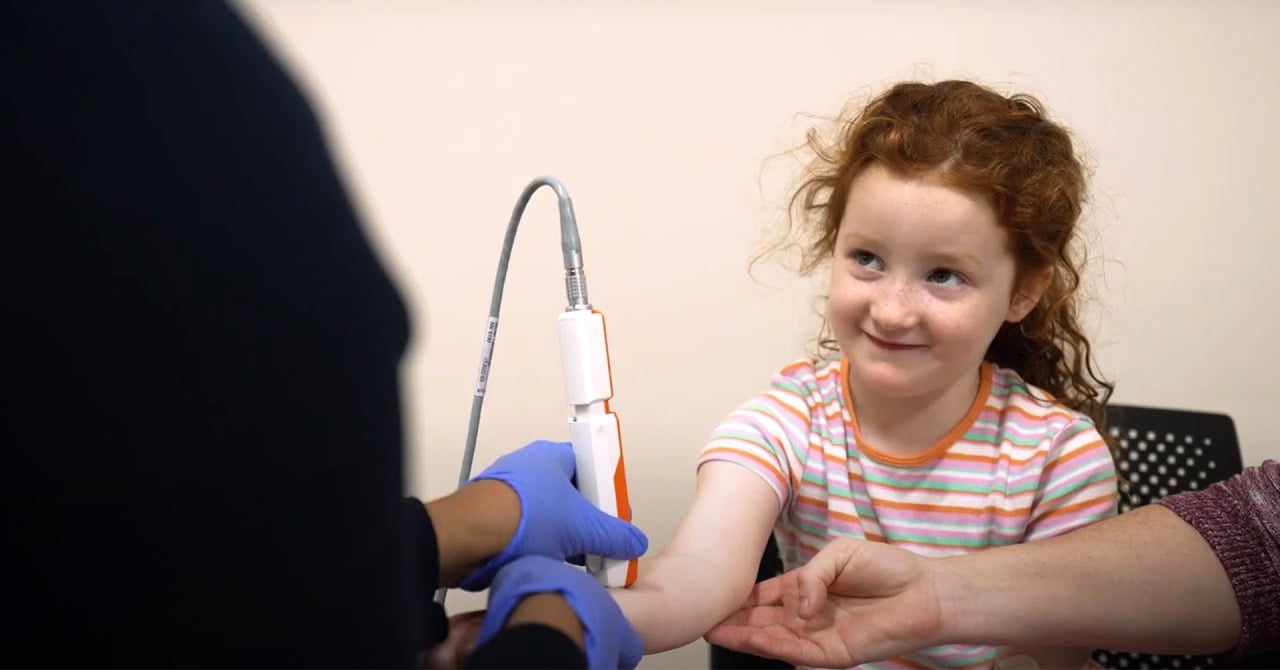
Australia’s largest longitudinal birth cohort study of its kind – ORIGINS – has reached a major milestone with the launch of its 8-Year Kids' Checks, marking the study’s transition into the primary school years.
Common variants at 2p12 show suggestive evidence for association with childhood aggression
While early exposure to alcohol may influence the development of facial structures, it does not appear to be associated with ASD phenotypic variability
Exposure to elevated maternal pre-pregnancy BMI is associated with increased levels of internalizing and externalizing problems throughout childhood and...
We aimed to determine Australian paediatricians' beliefs and practices around the influenza vaccination of children.
The results suggest that though the risk for RSV in the NICU remains low, personnel clothing are contaminated with RSV-RNA and may have a role in transmission

The CHIP Study investigates how burn injuries in children affect their immune system.