
Search
Showing results for "lung disease preterm"
This study investigated the potential role of ST2 in children with acute asthma.
Highly pathogenic avian influenza A virus (H5N1) is a leading candidate for the next influenza pandemic, and infants and children may play an important role...
To provide estimates of the annual number and cost of hospital admissions, emergency department (ED) visits and general practitioner (GP) visits...
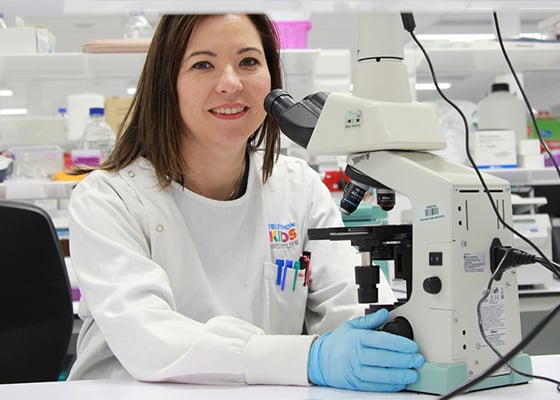
We identify, develop and commercialise the technologies and innovations developed by our scientists and clinicians.
The Kids Research Institute Australia congratulates Prof Gareth Baynam and Dr Timo Lassmann on their grant over three years from the McCusker Charitable Foundation.

A The Kids Research Institute Australia and Curtin University-led study has found the maternal whooping cough vaccine given to pregnant mothers in the second or third trimester significantly reduced babies’ risk of infection, protecting them at their most vulnerable age.
Find out more about the scholarship opportunities at the Wesfarmers Centre, including Training Scholarships and Higher Degree by Research Scholarships.

Access world-leading evidence from Australia’s largest longitudinal birth cohort study, uncovering how early environments influence the development of chronic disease across a generation.
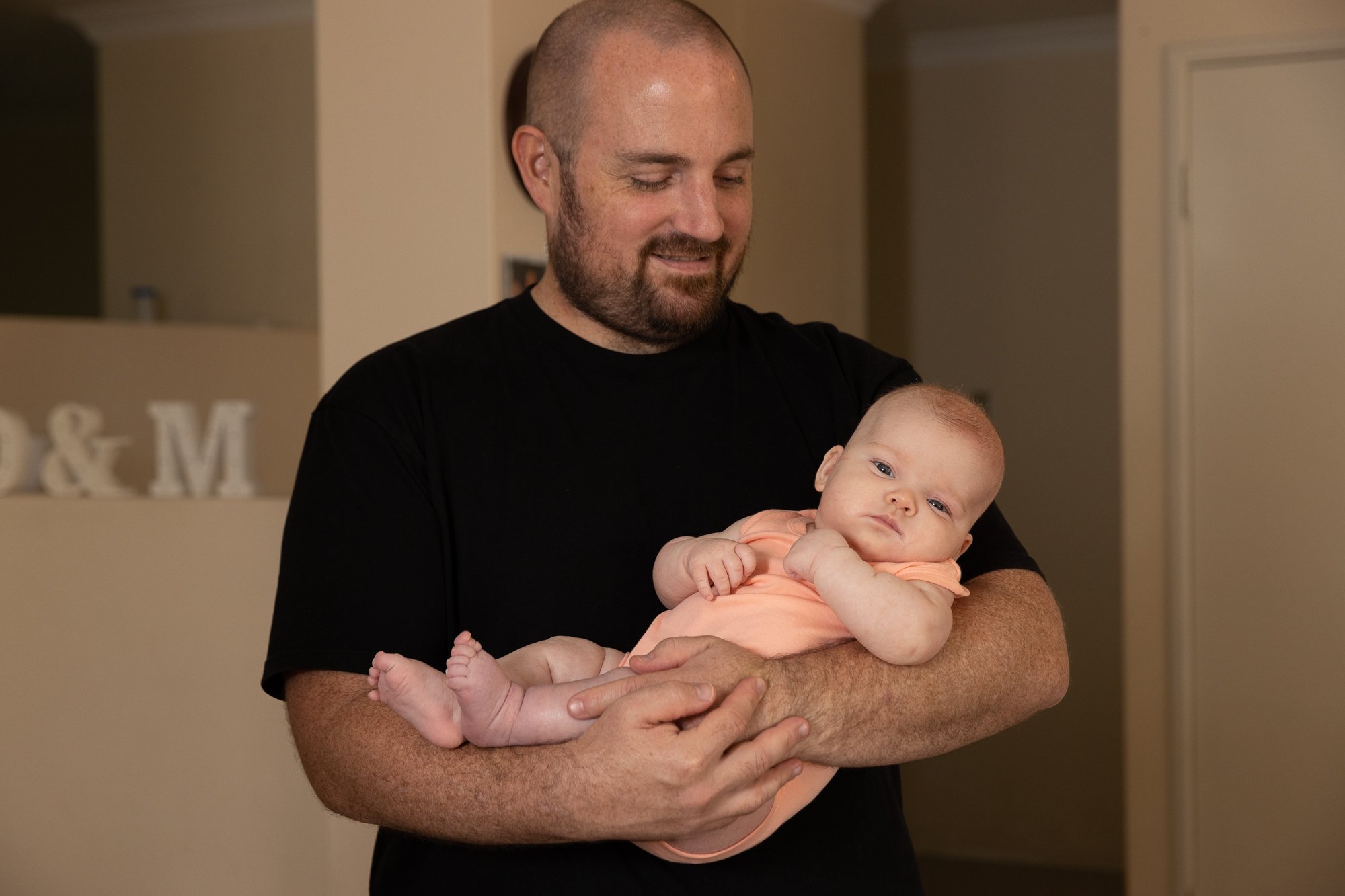
Providing expectant and new Dads with a health check-up
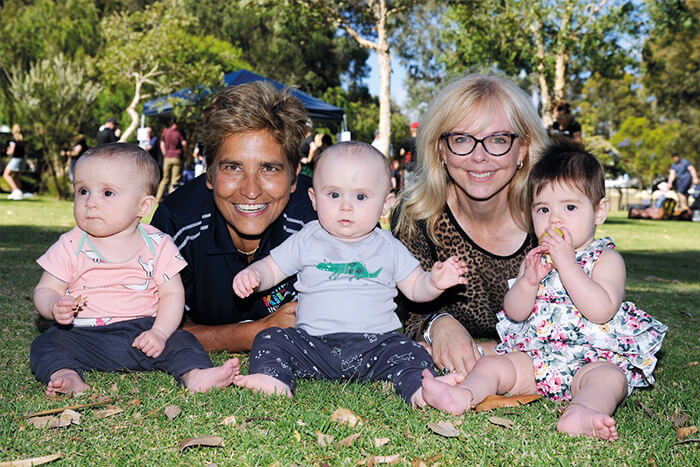
A collaboration between The Kids Research Institute Australia and Joondalup Health Campus is poised to be a game-changer for early childhood development.