
Search
Showing results for "mental health aboriginal"
Globally and even in high-income countries where a balanced diet is generally accessible, an inadequate maternal micronutrient status is common
Pneumonia is the leading cause of death in young children globally and is prevalent in the Papua New Guinea highlands. We investigated clinical predictors of hypoxic pneumonia to inform local treatment guidelines in this resource-limited setting.
Understanding if ongoing inflammation in the lungs contributes to the poor lung health experienced by some children who were born preterm.
A significant proportion of chronic obstructive pulmonary disease exacerbations are strongly associated with rhinovirus infection (HRV). In this study, we combined long-term cigarette smoke exposure with HRV infection in a mouse model.
There is little evidence that previous interventions aiming to reduce the risk of prenatal alcohol exposure or FASD in Indigenous populations have been effective
Children with Type 1 diabetes (T1D) from different ethnic backgrounds are growing in proportion in clinical practice and tend to have a higher risk of poor health outcomes. The study aimed to investigate the perspectives of culturally and linguistically diverse families in the management of children with T1D in Western Australia.
This study explored facilitators and barriers to "uptime" (non-sedentary) activities in Danish girls and women with Rett syndrome
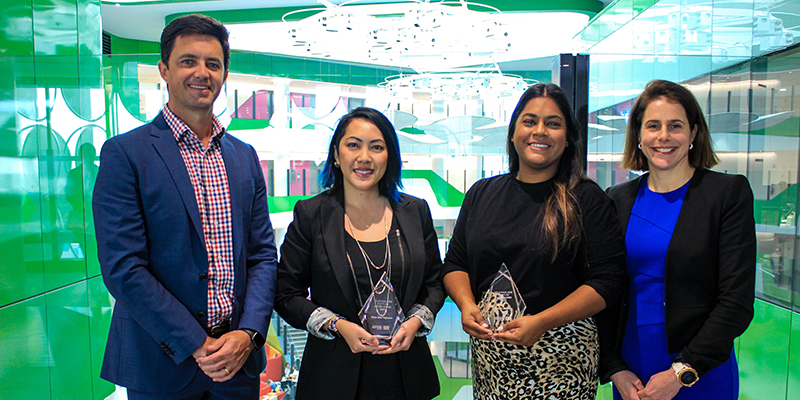
Two of The Kids Research Institute Australia’s best and brightest will share in $10,000 of funding to use for investment in their professional growth through attendance at an international conference, when safe to do so.
A new Australian study has found that the number of newborns suffering serious drug withdrawal symptoms is now more than 40 times higher than in 1980.
The Bright Tomorrows app developed at The Kids Research Institute Australia aims to assist parents of children aged 0-5 years to support their child to develop the building blocks of several essential life skills.