
Social, racial inequalities, preterm births, Western Australia, 1984 to 2006
Preterm birth and subsequent neonatal ventilatory treatment disrupts development of the hypoxic ventilatory response (HVR). An attenuated HVR has bee…
Maternal milk feeding may have unique long-term neurodevelopmental benefits in very preterm infants. We examine the extent to which maternal milk fee…
Late-onset sepsis (LOS) with Staphylococcus epidermidis is common in preterm infants, but the immunological mechanisms underlying heightened suscepti…
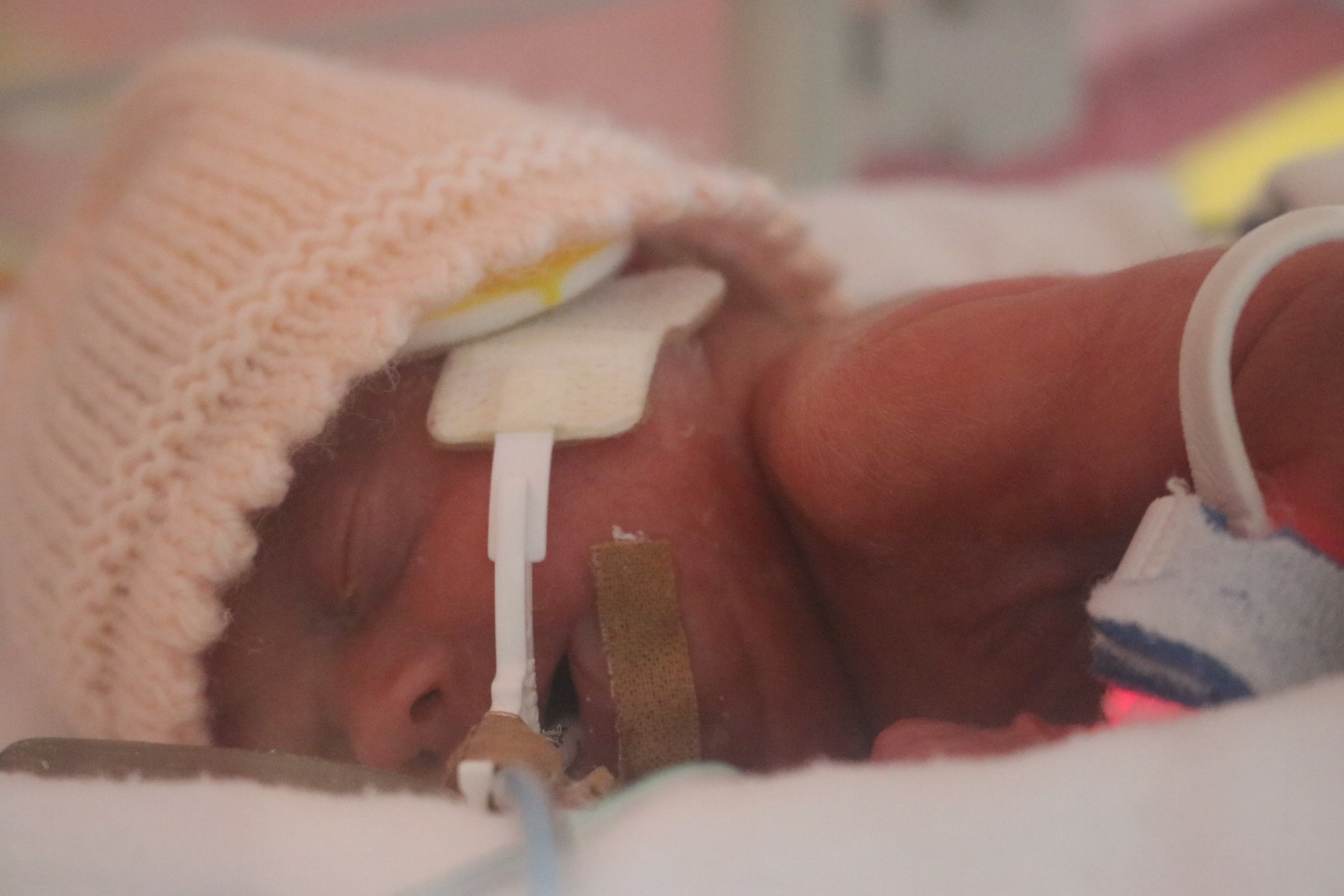
of patients, the Neonatal Team aims to provide preterm babies with the very best start to life. In Western ... decreasing the long-term complications…
Surgical resection of cancer remains the frontline therapy for millions of patients annually, but post-operative recurrence is common, with a relapse…
Preterm breast milk contains significantly higher concentrations of some immune proteins than term breast milk
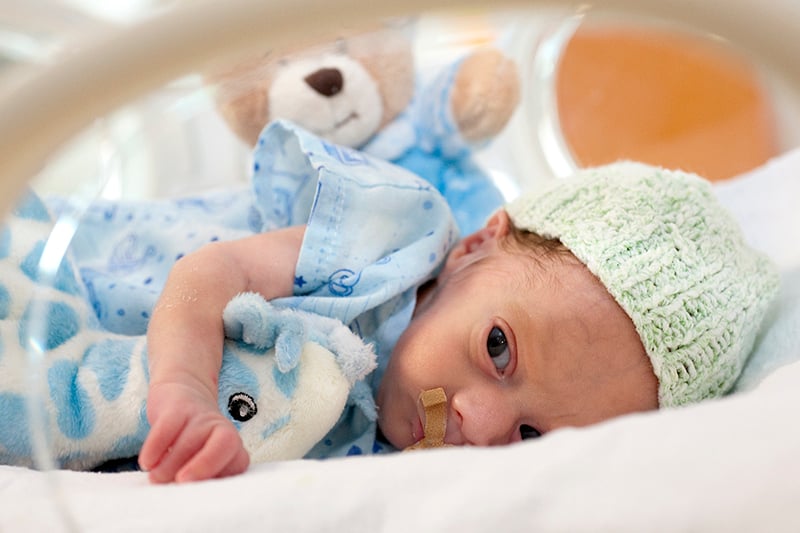
Preterm babies have a heightened risk of infection as their immune system is not mature. The Neonatal Health Team is exploring new ways to diagnose,…
Project description Bacterial ear and lung infections disproportionately affect Australian ... delay, chronic disease and hospitalisation. Two of the…
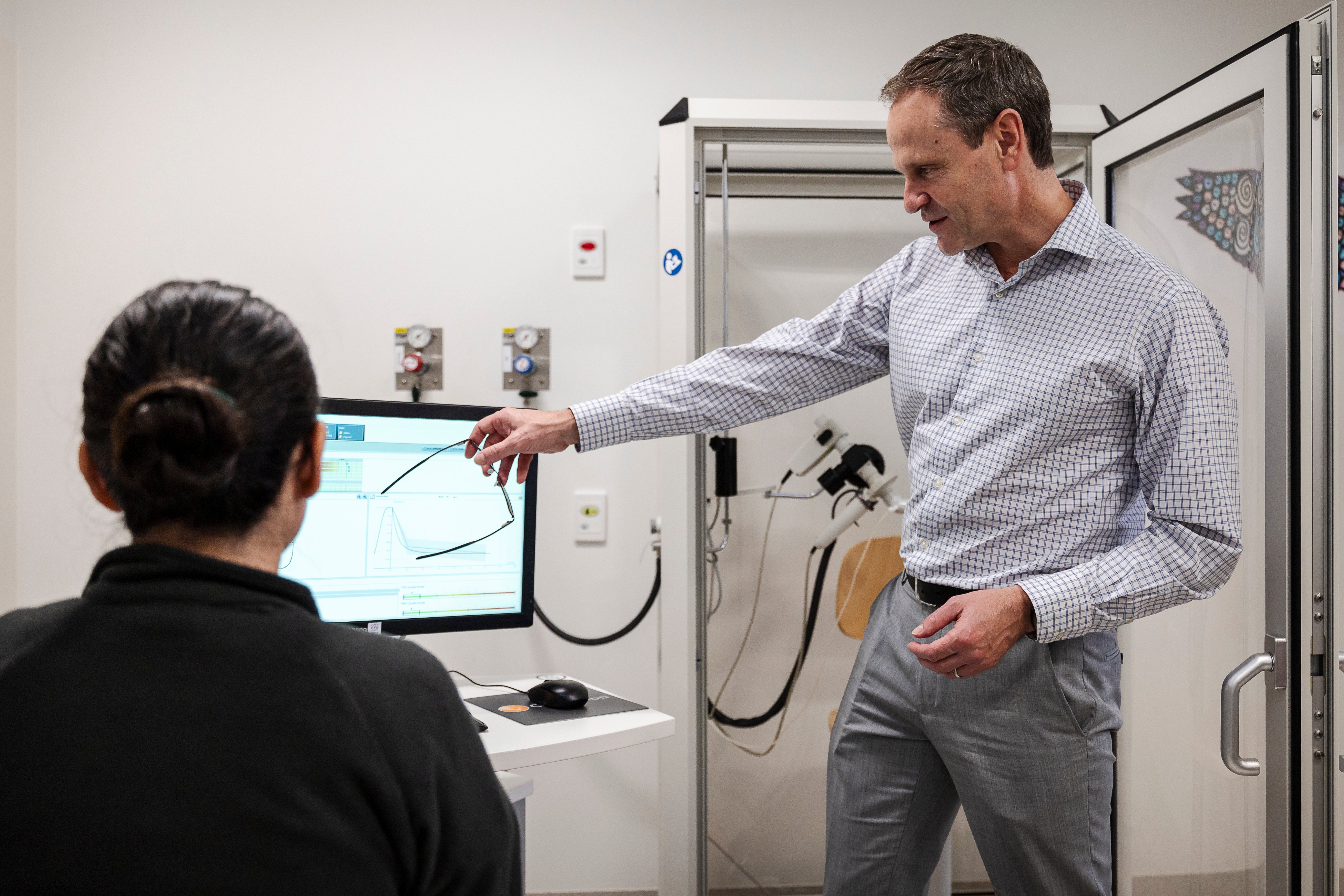
through multiple approaches with a strong focus on lung health in First Nations children. He is also a paediatric ... include lung health in Aborigin…