
Search
Showing results for "Childhood interstitial lung disease "
The predisposition to food allergy development and the induction of allergen-specific immune responses appears to be initiated early in infancy. Early exposure to food allergens, such as peanut and cashew nut, via human milk is likely important in initiating oral tolerance and reducing risk of food allergy development. This trial aims to determine if the risk of developing peanut and cashew nut allergy during infancy can be reduced by a high peanut and cashew nut maternal diet during lactation.
Iron deficiency (ID) is the most common nutritional deficiency affecting young children. Serum ferritin concentration is the preferred biomarker for measuring iron status because it reflects iron stores; however, blood collection can be distressing for young children and can be logistically difficult. A noninvasive means to measure iron status would be attractive to either diagnose or screen for ID in young children.
Streptococcus pneumoniae is a leading cause of pneumonia and meningitis worldwide. Many different serotypes co-circulate endemically in any one location. The extent and mechanisms of spread and vaccine-driven changes in fitness and antimicrobial resistance remain largely unquantified.
Diabetes in pregnancy is associated with increased risk of long-term metabolic disease in the offspring, potentially mediated by in utero epigenetic variation. Previously, we identified multiple differentially methylated single CpG sites in offspring of women with gestational diabetes mellitus, but whether stretches of differentially methylated regions can also be identified in adolescent GDM offspring is unknown.
The recent discovery of emerging relapsing fever group Borrelia (RFGB) species, such as Borrelia miyamotoi, poses a growing threat to public health. However, the global distribution and associated risk burden of these species remain uncertain. We aimed to map the diversity, distribution, and potential infection risk of RFGB.
Australian states and territories used test-trace-isolate-quarantine (TTIQ) systems extensively in their response to the COVID-19 pandemic in 2020-2021. We report on an analysis of Australian case data to estimate the impact of test-trace-isolate-quarantine systems on SARS-CoV-2 transmission.
Contact us If you'd like to get in touch, please contact us by phone or email. Phone: 0400 450 240 Email: vtg@thekids.org.au The Vaccine Trials Group
It may surprise you to know that the Australian government has invested almost $300 million dollars since 2000 towards research and clinical trials for diabetes
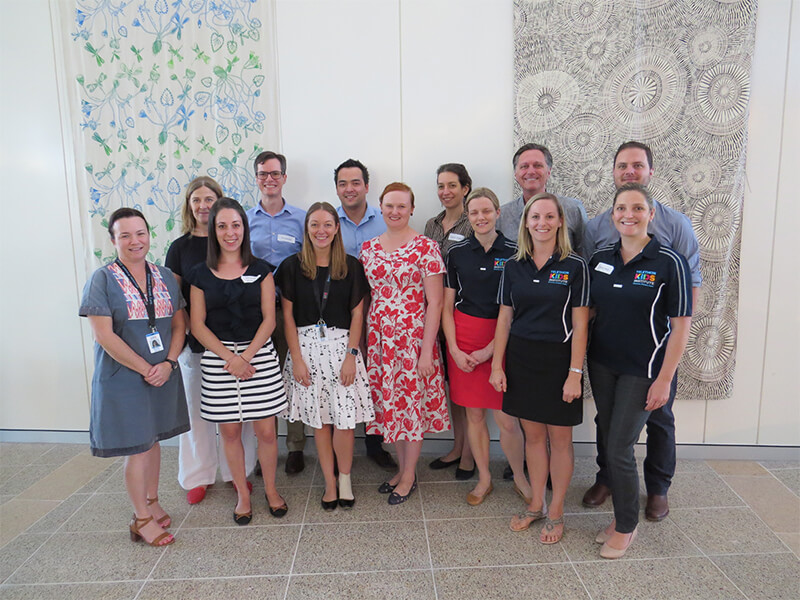
On 11 May 2017, over 60 attendees from throughout Australia convened in Darwin for a one-day Annual Meeting to discuss the progress of the END RHD CRE research projects, national RHD advocacy and the development of the final Endgame output.
In Australia, following the introduction of serogroup C meningococcal (MenC) conjugate vaccine for toddlers and catch-up immunization through adolescence,...