
Search
Showing results for "early lung health"
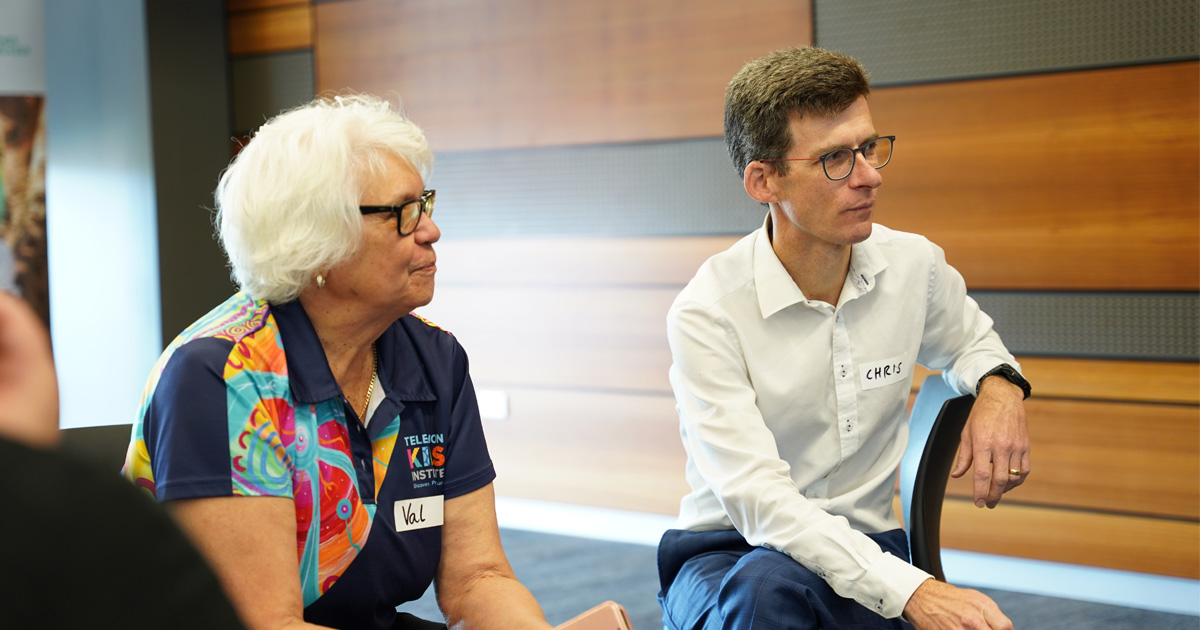
Researchers from the Wesfarmers Centre of Vaccines and Infectious Diseases at The Kids Research Institute Australia have shared their expertise with the community in Cockburn, covering topics ranging from respiratory disease in babies to recurring ear infections in kids.
In 2020, school and early childhood educational centre (ECEC) closures affected over 1.5 billion school-aged children globally as part of the COVID-19 pandemic response. Attendance at school and access to ECEC is critical to a child's learning, well-being and health. School closures increase inequities by disproportionately affecting vulnerable children. Here, we summarise the role of children and adolescents in Severe Acute Respiratory Syndrome Coronavirus 2 (SARS-CoV-2) transmission and that of schools and ECECs in community transmission and describe the Australian experience.
Respiratory syncytial virus (RSV) is a major cause of respiratory infection with a higher burden in Aboriginal and Torres Strait Islander infants and children. We conducted a pilot qualitative study identifying disease knowledge and willingness to immunise following the changing immunisation landscape for infant RSV in 2024.
Research has found a link between children with larger head measurements in-utero and a subsequent diagnosis of Autism Spectrum Disorder (ASD) as toddlers.
Publications, papers and findings coming out of ORIGINS and its sub-projects

Project D-Light aims to understand and harness the benefits of vitamin D and sunlight for Australian children while protecting them from excess UV.
Kaal is a proud Noongar boy, he loves playing football, but this season Kaal is about to tackle a new and unexpected challenge… eczema.
Amy Andrew Helen Jenny Martyn Melissa Videos Finlay-Jones Whitehouse Watch and listen to Andrew Leonard Downs Symons Licari BPsych(Hons), MPsych(
This study investigated the prevalence and types of bullying behaviour that boarding students experienced during the transition to a secondary boarding school.
Child maltreatment and the devastating impacts it has on young people throughout their lives can be prevented.