
Search
Showing results for "early lung health"
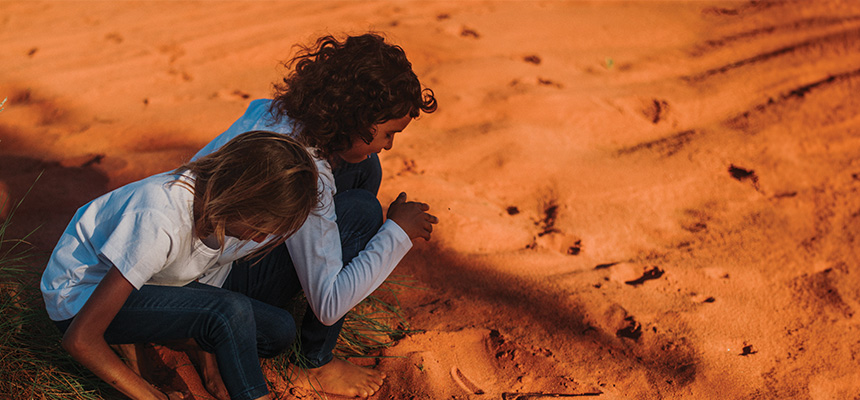
Aboriginal families and communities have endured the imposition of countless ‘solutions’ and had to live with the consequences of these ineffective initiatives. Those consequence are sadly evident in the unrelenting gap in outcomes for Aboriginal kids, compared with other Australian children.
Menstruation can be complex and challenging to manage, including for those with intellectual disability. People with intellectual disability experience additional barriers that prevent adequate access to information and support. Parents play an important role in supporting young people with intellectual disability with menstruation.
Prebiotic dietary supplementation has been shown to improve glucose homeostasis in type 2 diabetes patients. The aim of this analysis was to determine whether pre-pregnancy body mass index (BMI) modifies the effect of prebiotic supplementation from mid-pregnancy on reducing the risk of gestational diabetes mellitus
To assess parental awareness of respiratory syncytial virus (RSV) and the level of acceptance of future RSV prevention strategies. A cross-sectional online survey was implemented targeting "future" and "current" parents of children aged ≤5 years in Australia.
Executive functioning and self-regulation influence a range of outcomes across the life course including physical and mental health, educational success, and employment
This research focuses on understanding how maternal health, lifestyle, and fertility influence pregnancy outcomes and the early development of children.

PhD Candidate and Research Assistant
The current study sought to further investigate in 91 English-speaking typically developing children and 30 children with specific language impairment...
LGBTIQA + people experience intimate partner violence (IPV) at higher rates than non-LGBTIQA + people but under-utilize professional support services, and the reasons for this are poorly understood. This study examined IPV experiences, recognition of IPV, service utilization, and support needs among a self-selected sample of 523 LGBTIQA + adults in Western Australia.
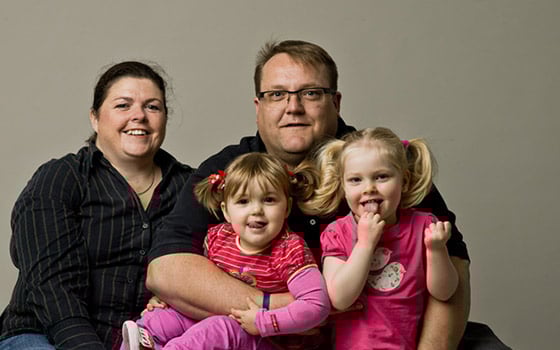
While individual diseases are rare, as a group, rare diseases are common. Recent estimates suggest that between 3% and 6% of the world’s population are affected by rare disease.