
Search
Showing results for "lung disease preterm"
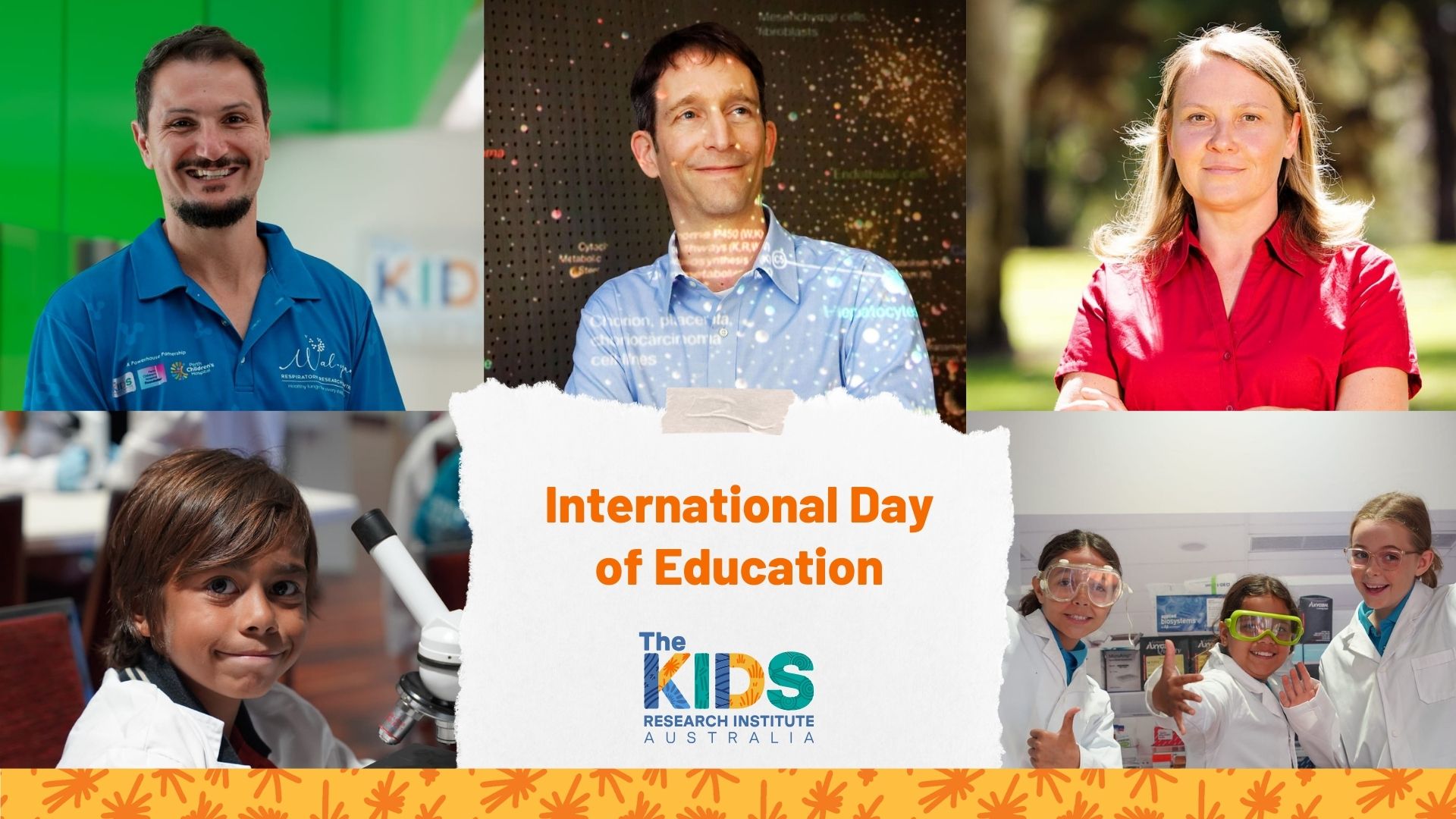
Today, 24 January 2025, is International Day of Education, a global celebration of the power of learning to transform lives. This year’s theme, “AI and Education: Preserving Human Agency in an Automated World”, underscores the critical role of education in preparing kids for a future increasingly shaped by AI.

More than 1000 children are being sought for a study to learn more about sore throats and how best to prevent them.

New collaborative research involving almost 600,000 pregnant mothers has demonstrated a dramatic increase in uptake of the whooping cough (pertussis) vaccine after identifying just 22 per cent of WA women had the maternal vaccination between 2012 – 2017.

Two research teams, led by The Kids Research Institute Australia, have been awarded more than $2 million to fund innovative projects.
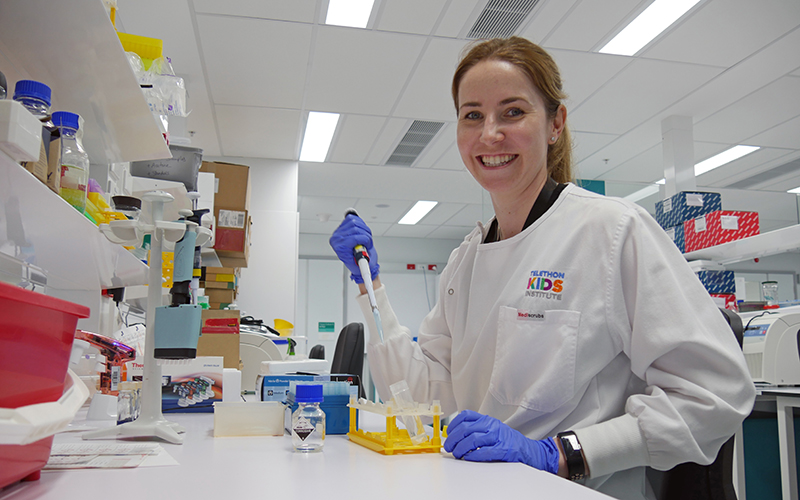
The Kids Research Institute Australia researchers will seek to better understand the relationship between antibodies and inflammation in people with multiple sclerosis (MS), thanks to a generous grant from MS Research Australia.
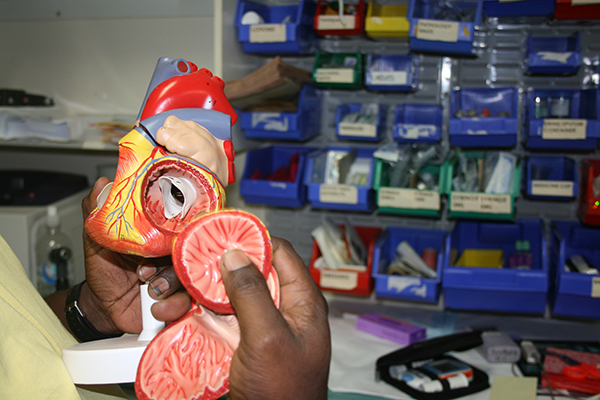
Health activities driven by remote Indigenous communities may be key to the sustainable and successful treatment and prevention of a potentially fatal disease, a study has found.
Three Perth researchers from The Kids Research Institute Australia have today been named finalists for the 2016 Australian Museum Eureka Prizes.
At The Kids, many of our studies have uncovered significant health risks associated with both high sugar drinks and energy drinks.
he new Director of Perth's Telethon Institute for Child Health Research says his focus will be to ensure that high quality research is effectively translated
CANVAS is a commitment by the Governments of Australia and New Zealand to advance the development of a vaccine against GAS infection, which can cause rheumatic fever.