
Search
Showing results for "early lung health"
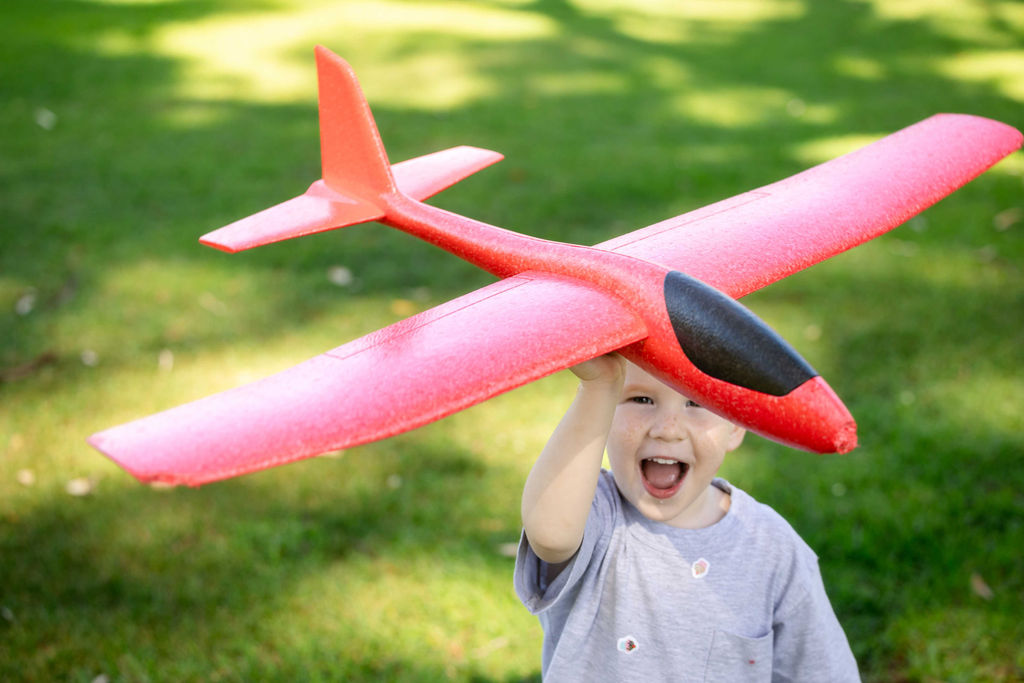
ORIGINS sub-projects investigating the impact of the physical environment and lifestyle on health, development and chronic conditions.
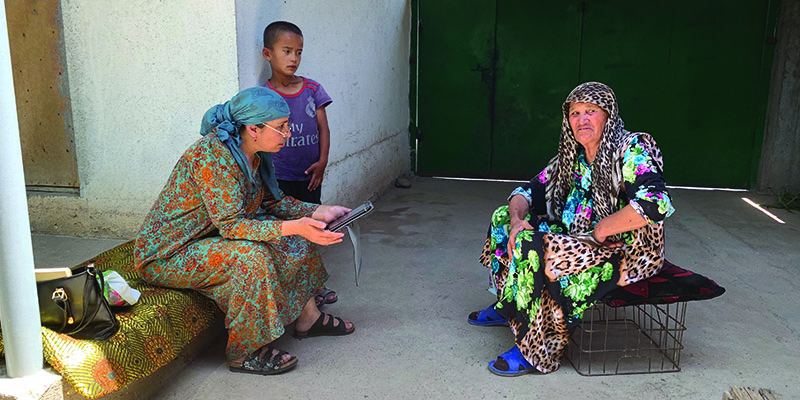
Fieldworkers learning how to collect eHCI data A fieldworker collects data for the eHCI in Tajikistan The rugged, landlocked Central Asian country of
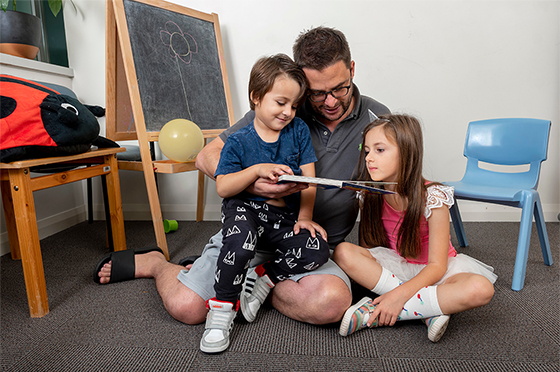
In this blog, Speech Pathologist Genevieve Wilmot discusses the many benefits of book sharing and how it can promote connection and social and communication development.
To investigate the immune capabilities of peripheral tissue DCs generated in vivo from the BM of UV-irradiated mice, chimeric mice were established.
Inflammatory mediators from peripheral tissues may control dendritic cell (DC) development in the bone marrow.
Little is known about how or when language and visuospatial processing lateralise in the brain, and if individual differences in lateralisation are related to early language or visuospatial abilities. We explored if patterns of language and visuospatial lateralisation are related to cognitive skills in young children.
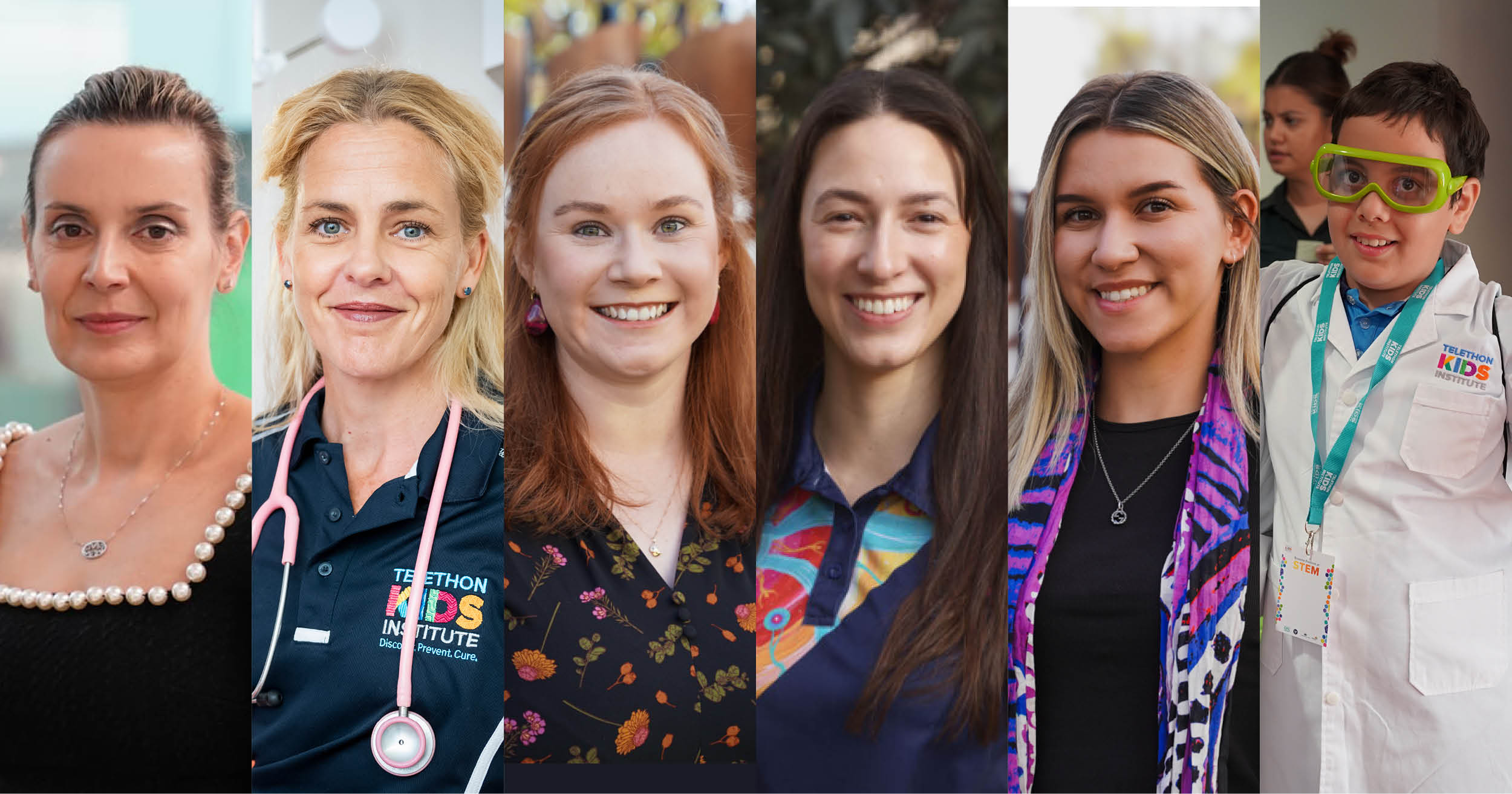
Five The Kids Research Institute Australia researchers and a popular Institute-led science festival for kids have been named as finalists in the 2024 Premier’s Science Awards.
In 2020, school and early childhood educational centre (ECEC) closures affected over 1.5 billion school-aged children globally as part of the COVID-19 pandemic response. Attendance at school and access to ECEC is critical to a child's learning, well-being and health. School closures increase inequities by disproportionately affecting vulnerable children. Here, we summarise the role of children and adolescents in Severe Acute Respiratory Syndrome Coronavirus 2 (SARS-CoV-2) transmission and that of schools and ECECs in community transmission and describe the Australian experience.
Research has found a link between children with larger head measurements in-utero and a subsequent diagnosis of Autism Spectrum Disorder (ASD) as toddlers.
Respiratory syncytial virus (RSV) is a major cause of respiratory infection with a higher burden in Aboriginal and Torres Strait Islander infants and children. We conducted a pilot qualitative study identifying disease knowledge and willingness to immunise following the changing immunisation landscape for infant RSV in 2024.