
Search
Showing results for "lung disease preterm"
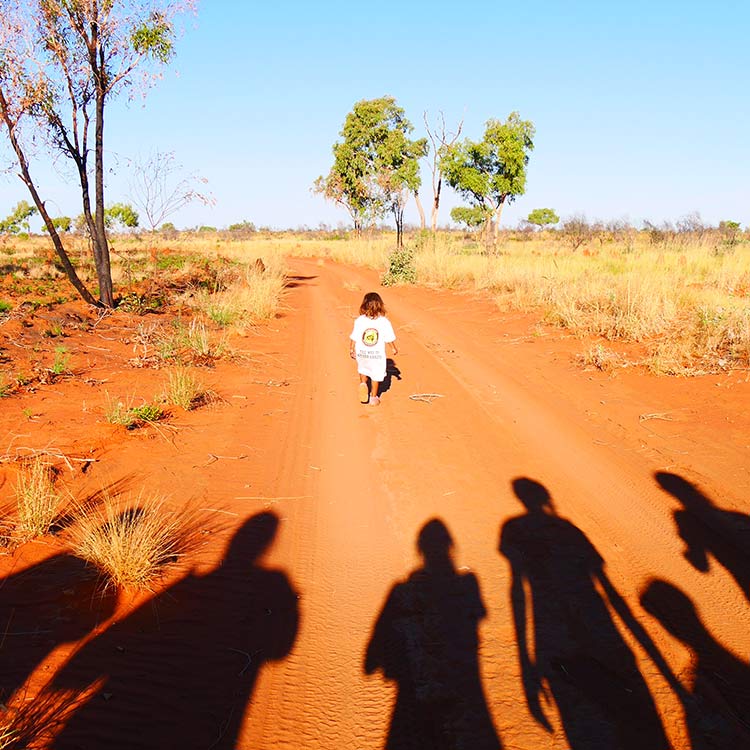
The Kids has recruited Dr Timothy Barnett to embark on a Fellowship to help close gaps in health outcomes between Indigenous and non-indigenous kids
The Australian Strep A Vaccine Initiative (ASAVI) is an Australian-led global initiative with the goal of reducing the disease burden caused by Group A Streptococcus (Strep A) infection through effective vaccination.
The Gender and IMmunity study (GIM) aims to evaluate how gender-affirming hormone therapy impacts the immune system in young trans individuals, and how this translates to short and long-term health outcomes.
Christopher Hannah Peter Peter Blyth Moore Jacoby Richmond MBBS (Hons) DCH FRACP FRCPA PhD OAM BSc (Hons) GradDipClinEpi PhD BA (Hons) MSc MBBS MRCP(
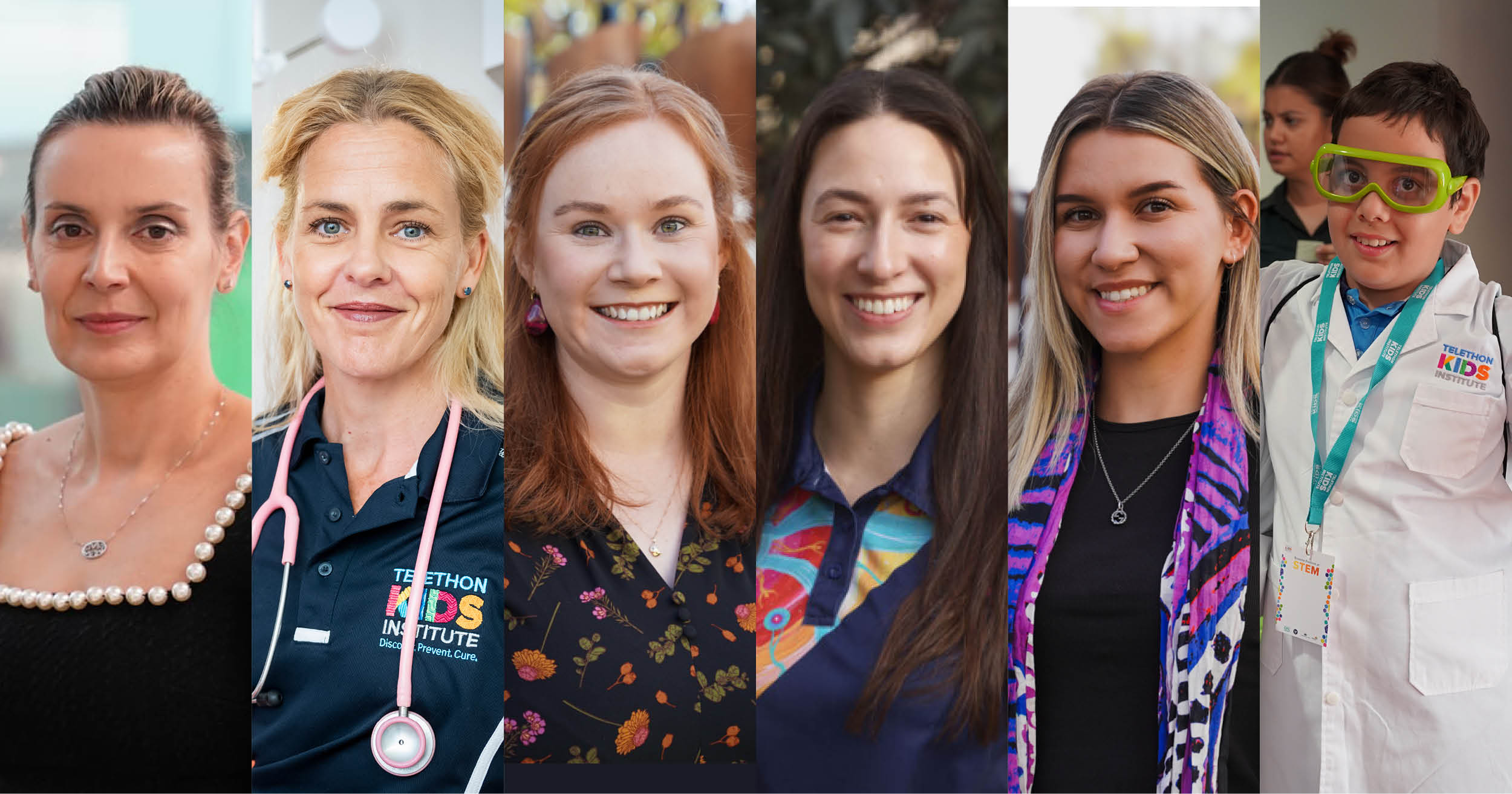
Five The Kids Research Institute Australia researchers and a popular Institute-led science festival for kids have been named as finalists in the 2024 Premier’s Science Awards.
Bacillus Calmette-Guérin (BCG) protects children from severe tuberculosis and remains the only licensed vaccine for tuberculosis. Subnational estimates of BCG coverage are essential for identifying underserved populations across Africa. This study aimed to map BCG vaccination coverage in Africa from 1990 to 2022.
Water chlorination is essential for controlling harmful microbes in drinking water; however, the antimicrobial effects of chlorine-based disinfectants present in tap water may influence early-life gut microbial ecology.
To reduce peanut allergy prevalence, infant feeding guidelines now recommend introducing peanuts in an age-appropriate form (such as peanut butter) as part of complementary feeding. However, due to a lack of randomized trial evidence, most infant feeding and food allergy prevention guidelines do not include tree nuts. The aims of this trial were to determine safety and feasibility of dosage consumption recommendations for infant cashew nut spread introduction.
Seasonal influenza vaccine is effective against influenza hospitalisations, but little is known about non-specific effects of the vaccine on other respiratory pathogens with similar seasonal patterns. We aimed to assess the causal impact of seasonal influenza vaccine on laboratory-confirmed hospitalisations for respiratory syncytial virus (RSV) in children using an instrumental variable strategy.
Improving maternal gut health in pregnancy and lactation is a potential strategy to improve immune and metabolic health in offspring and curtail the rising rates of inflammatory diseases linked to alterations in gut microbiota. Here, we investigate the effects of a maternal prebiotic supplement (galacto-oligosaccharides and fructo-oligosaccharides), ingested daily from <21 weeks' gestation to six months' post-partum, in a double-blinded, randomised placebo-controlled trial.