
Search
Showing results for "lung disease preterm"
In remote communities of northern Australia, First Nations children with hearing loss are disproportionately at risk of poor school readiness and performance compared to their peers with no hearing loss. The aim of this trial is to prevent early childhood persisting otitis media (OM), associated hearing loss and developmental delay.
Diagnosing urinary tract infections (UTIs) in children in the emergency department (ED) is challenging due to the variable clinical presentations and difficulties in obtaining a urine sample free from contamination.
COVID-19-associated non-pharmaceutical interventions (NPI) have disrupted respiratory viral transmission. We quantified the changes in paediatric hospital admissions in 2020 from five different NPI phases in Western Australia for acute lower respiratory infections (ALRI) in children in the context of all-cause admissions.
As malaria incidence decreases and more countries move towards elimination, maps of malaria risk in low-prevalence areas are increasingly needed. For low-burden areas, disaggregation regression models have been developed to estimate risk at high spatial resolution from routine surveillance reports aggregated by administrative unit polygons.
Acute rheumatic fever (ARF) is an abnormal immune reaction following Streptococcus pyogenes (Strep A) infection of the throat, and likely the skin. Primary prevention is the prompt and appropriate antibiotic treatment of Strep A infection, and it can reduce the risk of developing ARF and subsequent rheumatic heart disease.
AusVaxSafety surveillance demonstrated comparable and expected safety outcomes for the 2017 quadrivalent inactivated influenza vaccine brands used in Australia
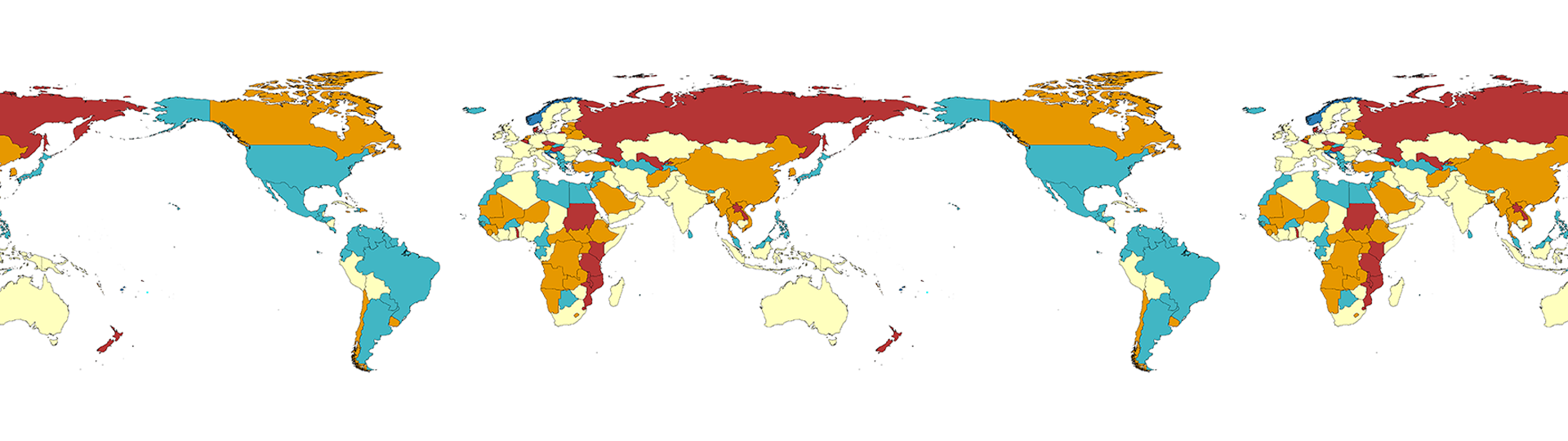
The Geospatial and Tuberculosis (GeoTB) team led by Kefyalew Alene focuses on designing an innovative approach for improving the efficiency and effectiveness of public health interventions to help control and ultimately eliminate tuberculosis in high-burden countries.
To establish the priorities of primary care providers to improve assessment and treatment of skin sores and sore throats among Aboriginal and Torres Strait Islander people at risk of acute rheumatic fever (ARF) and rheumatic heart disease (RHD).

A bold research program is working to give young children lifelong protection against influenza
RHD Action is the name given to the global movement to reduce the burden of rheumatic heart disease (RHD) in vulnerable populations of all ages throughout the world.