
Tumors have evolved multiple mechanisms to evade immune destruction. One of these is expression of T cell inhibitory ligands such as programmed death…
The objective was to assess the glucagon response to hypoglycemia and identify influencing factors in patients with type 1 diabetes compared with non…
The plasma glucose response to moderate-intensity exercise can be reproducible in adolescents with Type 1 diabetes
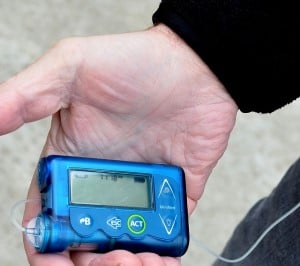
have had a lead role in a global adolescent Type 1 Diabetes study, finding drugs used to treat blood ... The four-year AdDIT (Adolescent Type 1 Diabe…
A main challenge identified by youth during exercise and sport is the lack of knowledge and awareness around type 1 diabetes (T1D) particularly in co…
We evaluated the immunogenicity and safety of 1 and 2 doses of MenACWY-TT, given alone or co-administered with PCV13 in toddlers.
To compare HbA1c and clinical outcomes in adolescents and young adults with type 1 diabetes, with or without celiac disease.
The infant simulator-based Virtual Infant Parenting programme did not achieve its aim of reducing teenage pregnancy
The aim of this study was to investigate the association between maternal smoking during pregnancy and type 1 diabetes in the offspring, using comple…
Our aim was to examine the school performance of children with type 1 diabetes in comparison to their peers, exploring changes over time, and the imp…