
Search
Showing results for "8"

Join us in helping autistic kids live their best lives.
We describe a case of an 8 year old girl with central precocious puberty. She was commenced on 3 monthly intramuscular depot Leuprorelin acetate therapy, as...
Specialized Proresolving Lipid Mediators are increased after 8 weeks n-3 fatty acid supplementation in patients with chronic kidney disease
This editorial response addresses each of the concerns raised by Lin et al. RE: Risk Factors for Decline in IQ in Youth With Type 1 Diabetes Over the 12...
The last decade has seen rapid advances in the genetic technology that is allowing researchers to examine host-pathogen interactions at a whole organism level.
In utero exposure to antidepressant medication and neonatal growth outcomes: closer examination of the evidence is needed
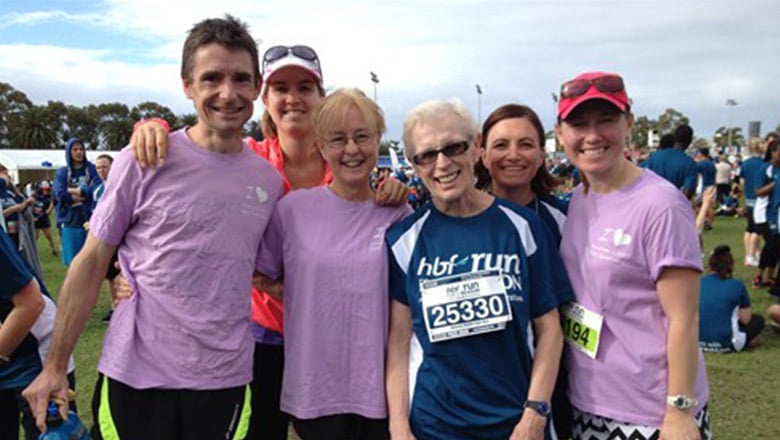
On Sunday May 25th, the 'I love someone with Rett syndrome' team participated in the annual HBF Run for a Reason.

Thank you to all guests and participants of this year's 8th World Congress on Rett syndrome, which was held from May 13-17th, 2016 in Kazan, Russia.

At The Kids Research Institute Australia, we have a dedicated and diverse team of over 1,000 staff, students and honorary researchers.
Patients with glucocorticoid-dependent Duchenne muscular dystrophy (DMD) have increased fracture risk and reduced bone mineral density (BMD), often precipitating mobility loss.