
Eye-tracking could expedite autism identification/diagnosis through standardisation and objectivity. We tested whether Gazefinder autism assessment,…
Young children diagnosed with autism experience high rates of co-occurring anxiety, with uncertainty-related concerns commonly reported. This randomi…
Social media allows users to connect with others’ experiences and points of view, with TikTok being the fastest-growing platform worldwide. Highly vi…
Caregiver-mediated supports in general have shown mixed evidence for enhancing language outcomes in infants at higher likelihood of autism. While car…
A comprehensive understanding of specific factors contributing to variability in responsiveness of children with autism to interventions is paramount…
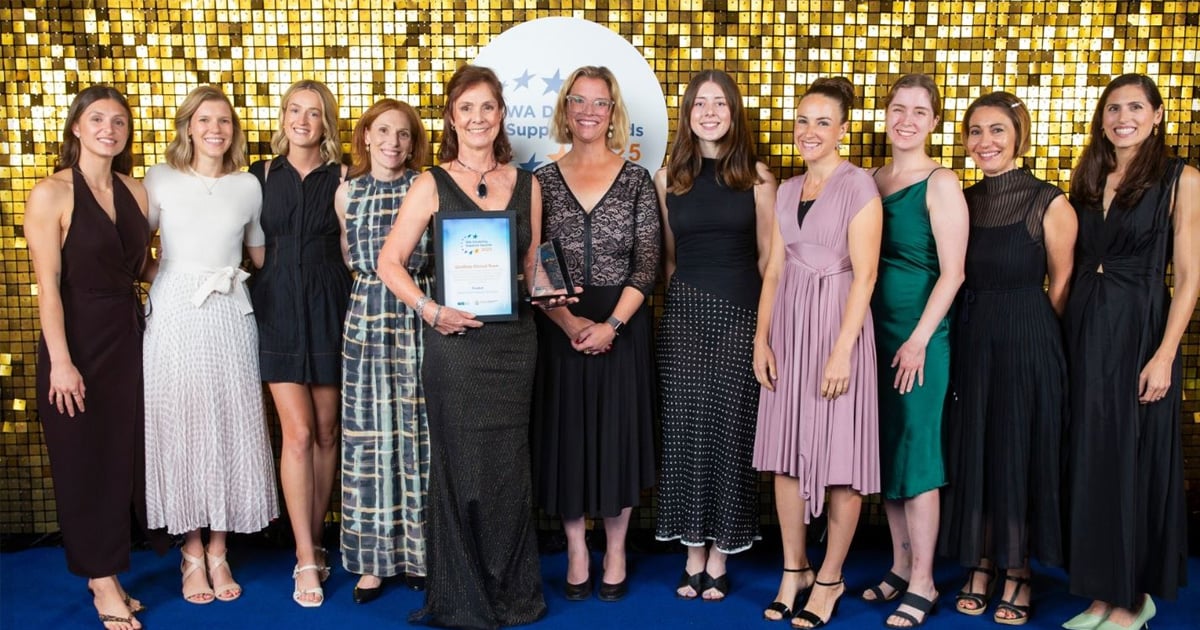
CliniKids has won the Allied Health Professionals category at the Western Australian Disability Support Awards, announced at Crown Perth on the weeke…
Emerging evidence suggests that observers tend to form less favorable first impressions toward autistic people than toward non-autistic people. These…
Autism early intervention research has indicated a research-to-practice gap, including continued use of practices with inadequate research support, a…
Autistic adolescents are vulnerable to sleep difficulties, with up to 80 % experiencing sleep problems, most commonly insomnia. Little is known about…