
Search
Aboriginal and Torres Strait Islander (Aboriginal) people in South Australia are overburdened by cardiovascular disease, diabetes and cancer. The South Australian Aboriginal Chronic Disease Consortium (Consortium) was established in June 2017 as a collaborative partnership to lead the implementation of three state-wide chronic disease plans using a strategic approach to identifying key priority areas for action.
Mesothelioma is a lethal cancer. Despite promising outcomes associated with immunotherapy, durable responses remain restricted to a minority of patients, highlighting the need for improved strategies that better predict outcome. Here, we described the development of a mesothelioma-specific gene signature that accurately predicts survival.
DNA-informed prescribing (termed pharmacogenomics, PGx) is the epitome of personalised medicine. Despite international guidelines existing, its implementation in paediatric oncology remains sparse.
This study combines two innovative mouse models in a major gene discovery project to assess the influence of host genetics on asbestos related disease (ARD). Conventional genetics studies provided evidence that some susceptibility to mesothelioma is genetic. However, the identification of host modifier genes, the roles they may play, and whether they contribute to disease susceptibility remain unknown.
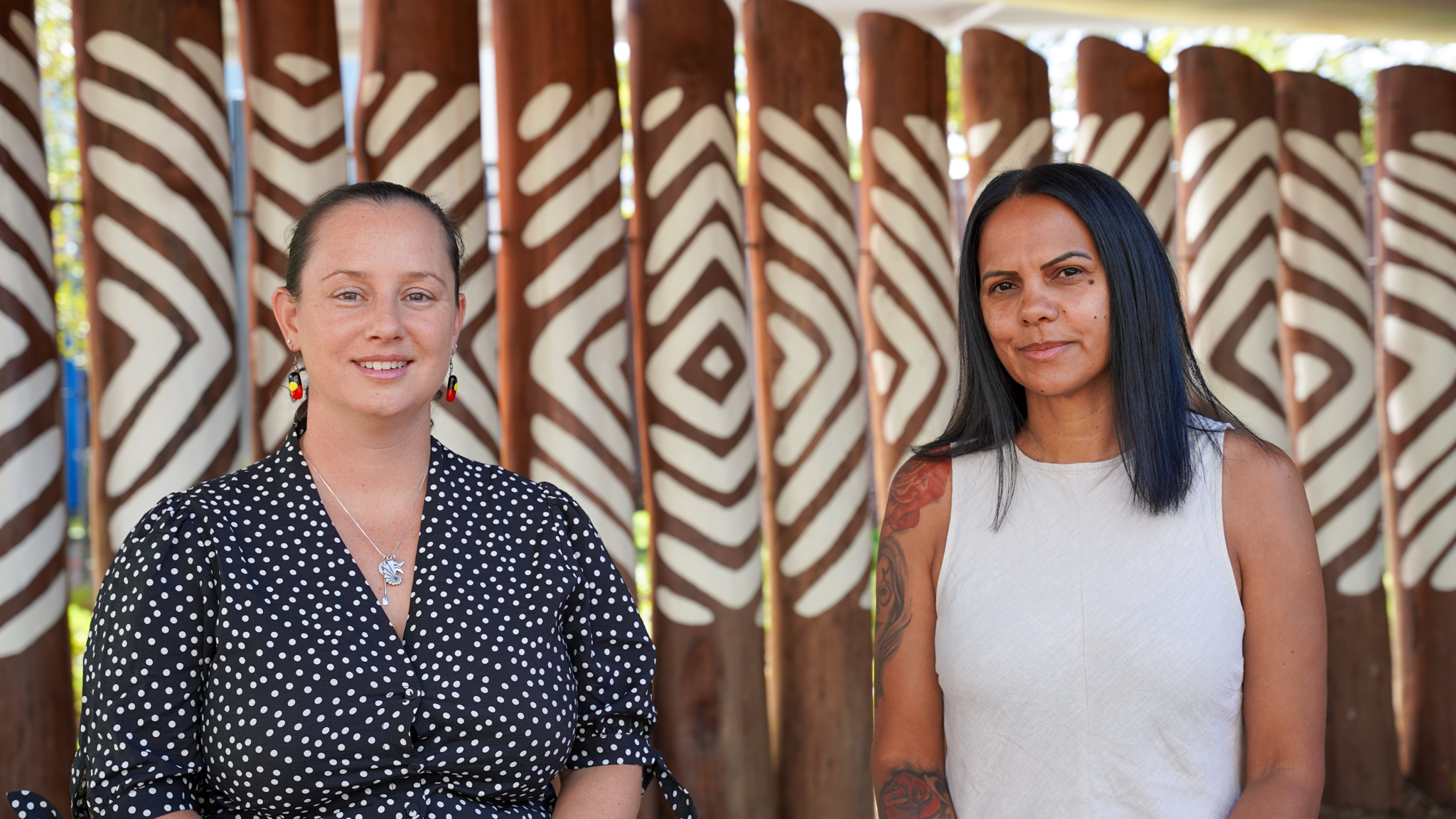
A first of its kind research program at The Kids Research Institute Australia aims to develop new strategies to better treat Aboriginal and Torres Strait Islander children with cancer.
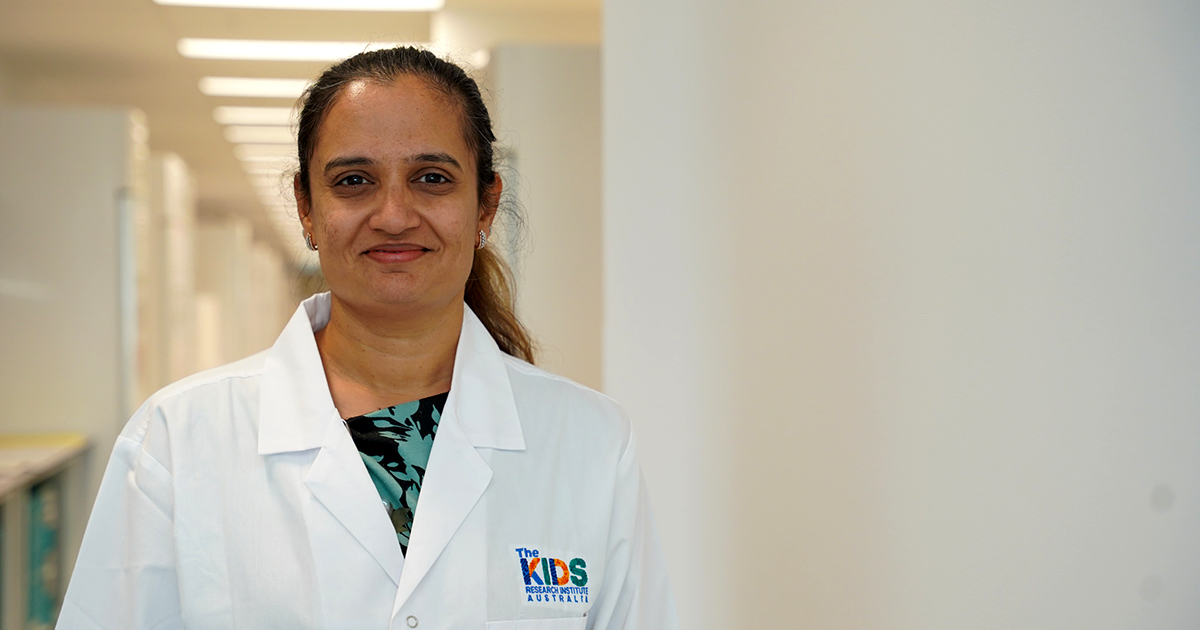
A landmark study led by Dr Hetal Dholaria, The Kids Research Institute Australia researcher and Perth Children’s Hospital Oncologist, has confirmed that a “wait and watch” approach for newborns diagnosed with neuroblastoma is not only safe, but effective over the long term.
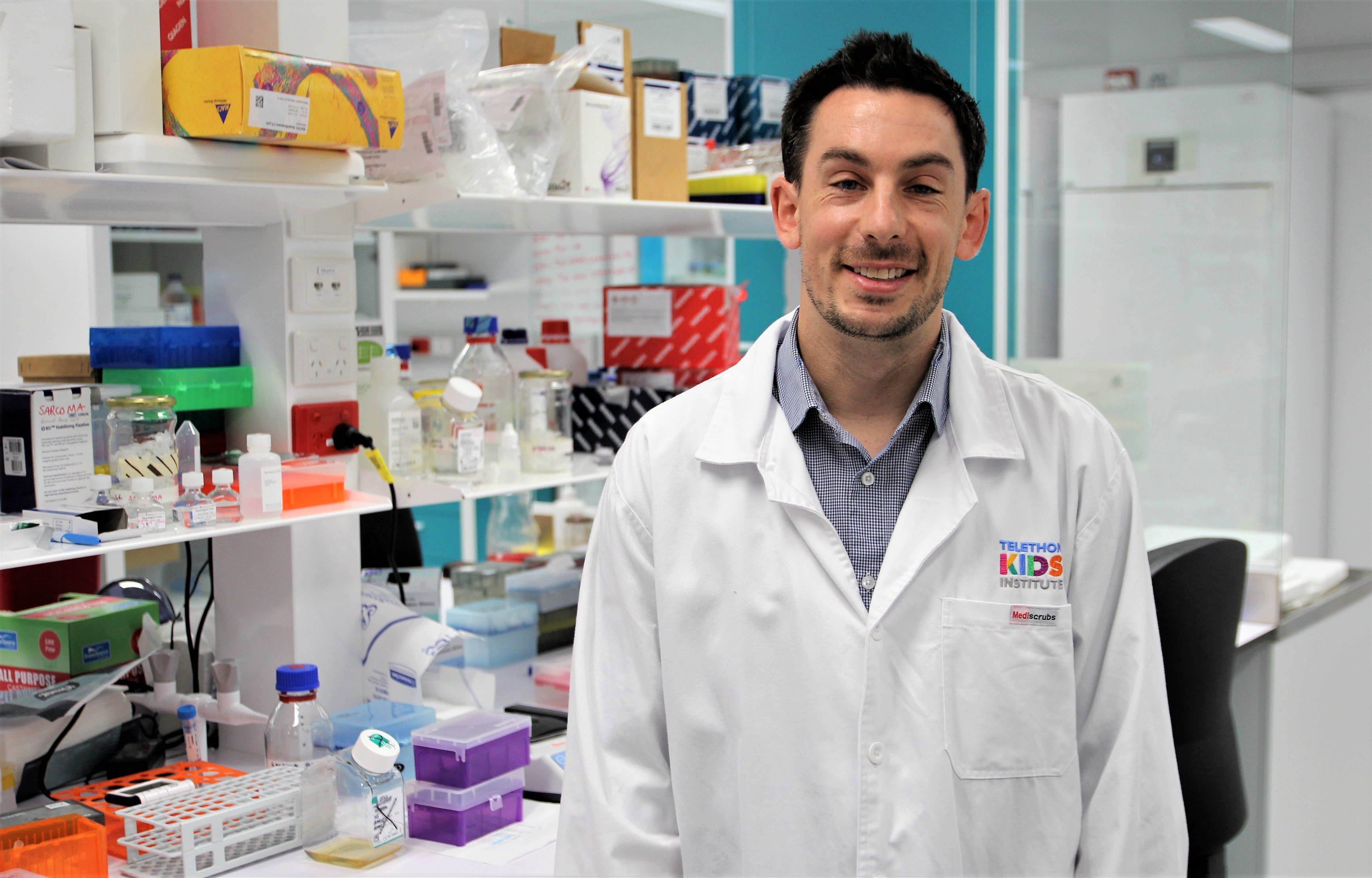
Cure Cancer and The Kids Research Institute Australia researcher Dr Ben Wylie announced new potential treatment in time for Childhood Sarcoma Awareness month.
Ewing Sarcoma of the pelvis has poorer outcomes than other anatomical sites, with complex anatomy often precluding resection with wide margins. The role of postoperative radiotherapy (RT) in improving outcomes remains undefined. A systematic review using Medline, Embase and Cochrane databases (1972-April 2024) evaluated postoperative RT's impact on local recurrence, event-free survival and overall survival. Twenty-nine retrospective studies (21 to 296 patients) met inclusion criteria, with 28 rated good quality.
DNA methylation-based classification is now central to contemporary neuro-oncology, as highlighted by the World Health Organization classification of central nervous system tumors. This expansion is a result of newly identified tumor types discovered through our large online repository and global collaborations, underscoring CNS tumor heterogeneity.
The investigation of ovarian development, dysfunction, and aging is essential for female reproductive health. Despite extensive research on the cellular functions of Brefeldin A (BFA) as an intracellular transport inhibitor, its specific effects and mechanisms on ovarian development/aging remain inadequately understood.