Search
Pregnancy and early infancy are increased risk periods for severe adverse effects of respiratory infections. Aboriginal and/or Torres Strait Islander (respectfully referred to as First Nations) women and children in Australia bear a disproportionately higher burden of respiratory diseases compared to non-Indigenous women and infants. Influenza vaccines and whooping cough (pertussis) vaccines are recommended and free in every Australian pregnancy to combat these infections.
Antenatal inactivated influenza and pertussis-containing vaccines offer protection against severe respiratory infections for pregnant women and infants <6 months of age. Both vaccines are recommended in pregnancy; however, little is known about temporal or jurisdictional trends and predictors of uptake.
The purpose of this double-blind, randomised, controlled trial is to compare allergic outcomes in children following vaccination with acellular pertussis (aP) antigen (standard of care in Australia) given at 2 months of age versus whole cell pertussis (wP) in the infant vaccine schedule.
Adult pertussis vaccination is increasingly recommended to control pertussis in the community. However, there is little data on the duration and kinetics of immunity to pertussis boosters in adults. We compared IgG responses to vaccination with a tetanus, low-dose diphtheria, low-dose acellular pertussis (Tdap) booster at 1 week, 1 month and 1 year post-vaccination in whole-cell (wP)-primed Australian paediatric healthcare workers who had received an adult Tdap booster 5-12 years previously, to those who received their first Tdap booster. Tdap vaccination was well tolerated in both groups.
Overall, infant immunisation coverage is currently >90% in Australia, but there are pockets of under-immunised children including children from migrant backgrounds.
Adult pertussis vaccination is increasingly recommended to control pertussis in the community. However, there is little data on the duration and kinetics of immunity to pertussis boosters in adults. We compared IgG responses to vaccination with a tetanus, low-dose diphtheria, low-dose acellular pertussis (Tdap) booster at 1 week, 1 month and 1 year post-vaccination in whole-cell (wP)-primed Australian paediatric healthcare workers who had received an adult Tdap booster 5-12 years previously, to those who received their first Tdap booster.
Multi-jurisdictional cohort of mother-infant pairs to measure the uptake, safety and effectiveness of antenatal IIV and dTpa vaccines in three Australian jurisdictions
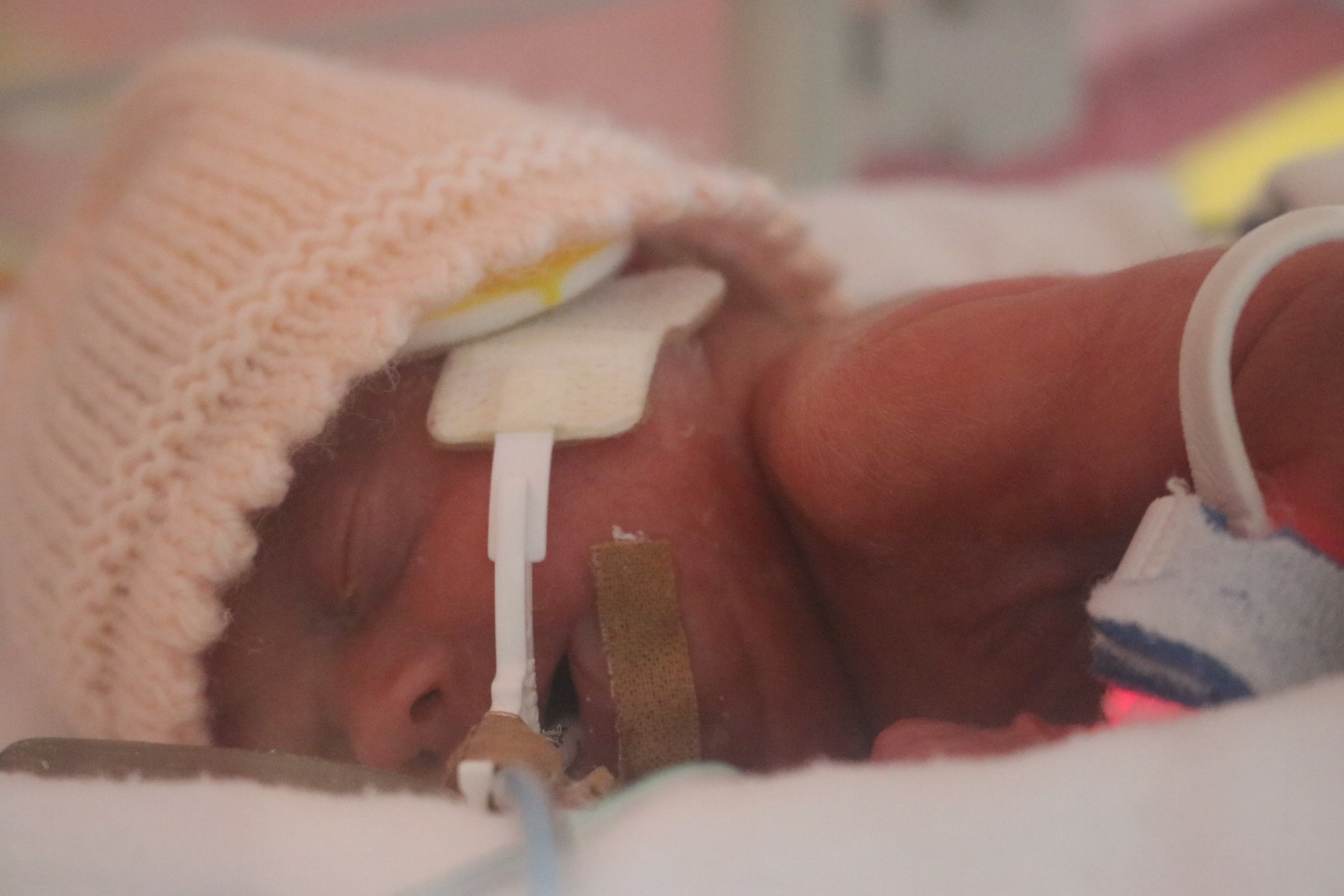
The monovalent acellular pertussis vaccine is immunogenic and safe in neonates
We therefore speculate that removal of wP from the vaccine schedule contributed to the observed rise in IgE-mediated food allergy among Australian infants
Isobaric tags for relative and absolute quantitation (iTRAQ)-based proteomic analysis revealed significant differences in protein expression in B. pertussis biofilms