
Search
Showing results for "aboriginal respiratory"
Little evidence exists on the postoperative trajectory after paediatric orthopaedic surgery. Pain and behavioural disturbance can have short- and long-term impacts on children and their families. An improved understanding of procedure-specific postoperative trajectories can enhance recovery. The primary outcome was to examine the duration and severity of postoperative pain experienced by children undergoing 10 commonly performed orthopaedic procedures.
Limited evidence suggests that airway epithelial structure and function is disrupted in very preterm infants; however, the epithelial morphology and physiology has not been well characterised following discharge from neonatal intensive care. This study aimed to characterise the nasal airway epithelium from 1-year-old survivors of very preterm birth.
Processed electroencephalography (EEG) indices used to guide anesthetic dosing in adults are not validated in young infants. Raw EEG can be processed mathematically, yielding quantitative EEG parameters (qEEG). We hypothesized that machine learning combined with qEEG can accurately classify expired sevoflurane concentrations in young infants. Knowledge from this may contribute to development of future infant-specific EEG algorithms.
When models are used to inform decision-making, both their strengths and limitations must be considered. Using malaria as an example, we explain how and why models are limited and offer guidance for ensuring a model is well-suited for its intended purpose.
Burkholderia cepacia complex is a cause of serious lung infections in people with cystic fibrosis, exhibiting extremely high levels of antimicrobial resistance. These infections are difficult to treat and are associated with high morbidity and mortality.
The clinical consequences of an antibiotic allergy label are detrimental, impacting health care delivery and patient outcomes. We assessed hospital inpatients with intent to offer free antibiotic allergy labeling assessment within a randomized controlled trial. We sought to determine the feasibility of establishing an adult antibiotic allergy delabeling service in a Western Australian tertiary public hospital.
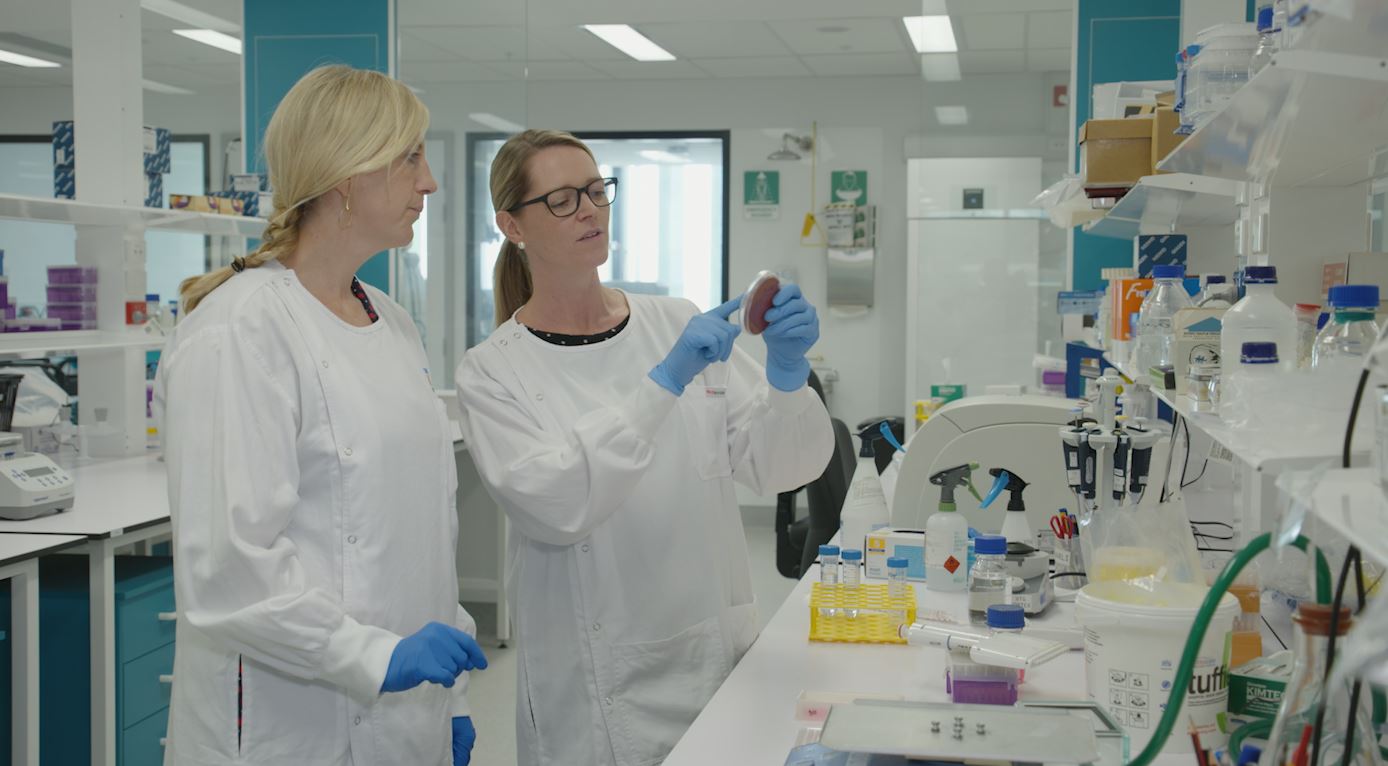
Wiping out childhood ear infections could become a reality thanks to new research identifying the main bacteria responsible for recurrent ear infections and repeat ear surgeries.
The primary objectives of this study were to assess the usefulness of C-reactive protein and procalcitonin in the diagnosis of bacterial co-infections in coronavirus disease 2019 (COVID-19) and if their incorporation in antimicrobial stewardship programs is safe and useful, stratified by severity of disease as level of care, intensive care unit (ICU) or non-ICU.
Monitoring children's recovery postoperatively is important for routine care, research, and quality improvement. Although telephone follow-up is common, it is also time-consuming and intrusive for families. Using SMS messaging to communicate with families regarding their child's recovery has the potential to address these concerns. While a previous survey at our institution indicated that parents were willing to communicate with the hospital by SMS, data on response rates for SMS-based postoperative data collection is limited, particularly in pediatric populations.
Peter Britta Richmond Regli-von Ungern-Sternberg AM FAHMS MBBS MRCP(UK) FRACP MD, PhD, DEAA, FANZA Head, Vaccine Trials Group Chair of Paediatric