
Search
Siblings of individuals with neurodevelopmental conditions are situated within a complex system of risk and resilience factors for poor outcomes, many of which overlap with the risk of traumatic brain injury and correlate with poorer recovery trajectories.
Immunocompromised hosts experience more breakthrough infections and worse clinical outcomes following infection with COVID-19 than immunocompetent people. Prophylactic monoclonal antibody therapies can be challenging to access, and escape variants emerge rapidly. Immunity conferred through vaccination remains a central prevention strategy for COVID-19.
Concussion awareness and knowledge among Aboriginal and Torres Strait Islander peoples residing in Perth, Western Australia and factors preventing presentation at a health service for assessment after such an injury.
Copy number alterations (CNAs), resulting from the gain or loss of genetic material from as little as 50 base pairs or as big as entire chromosome(s), have been associated with many congenital diseases, de novo syndromes and cancer. It is established that CNAs disturb the dosage of genomic regions including enhancers/promoters, long non-coding RNA and gene(s) among others, ultimately leading to an altered balance of key cellular functions.
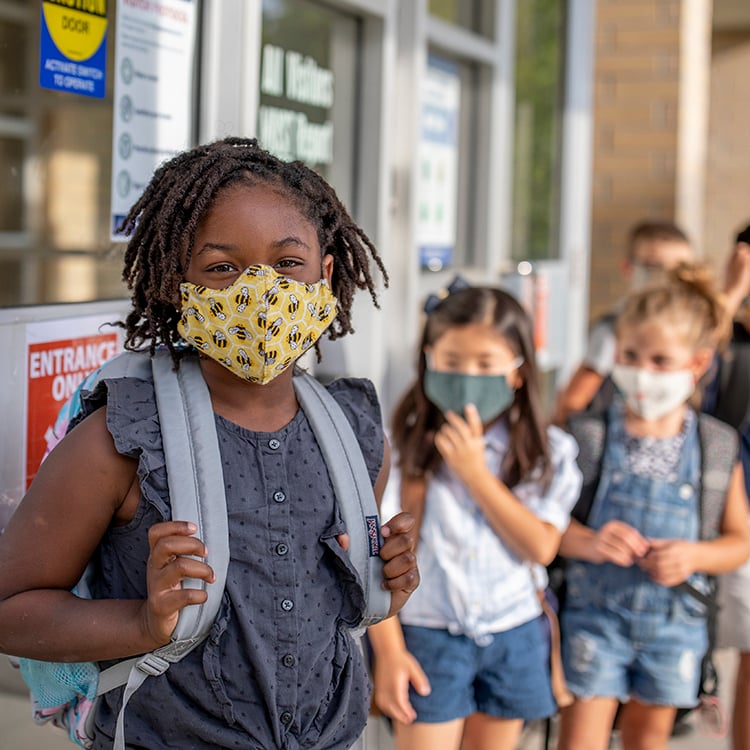
While COVID-19 is new and frightening, these resources are designed to help families tackle the challenges this virus has created for us.
One in eight children have asthma, a chronic disease of the airways in the lungs. It results in shortness of breath, chest tightness, wheezing and coughing.
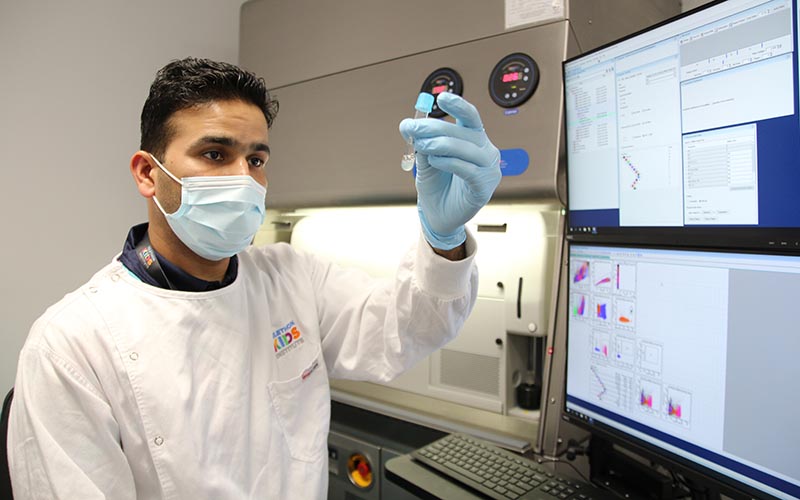
Flow cytometry is a technology used to measure complex cell phenotype and functions. Our Flow Facility is equipped with 3 flow cytometers/analysers, one...
This map illustrates extensive consultations that have taken place with Aboriginal and Torres Strait Islander peoples on the topic of suicide.
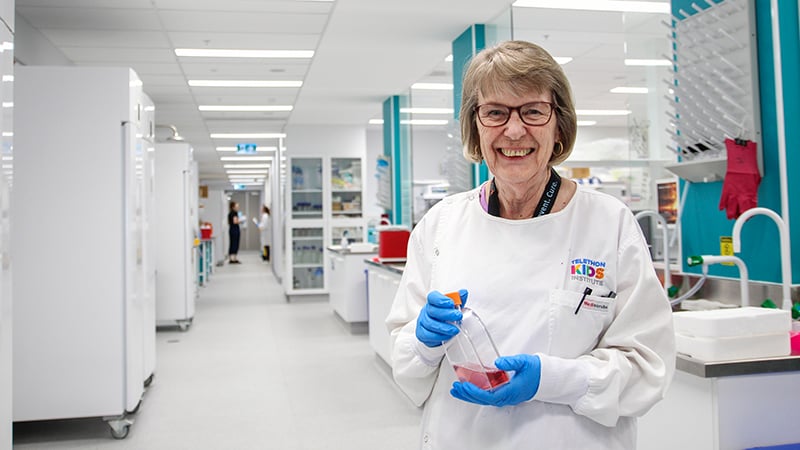
The Institute farewelled one of its most treasured employees this year, as The Kids Cancer Centre research officer Jette Ford closed the door on a quietly stellar 37-year career which has helped to change the face of cancer research in WA and around the world.
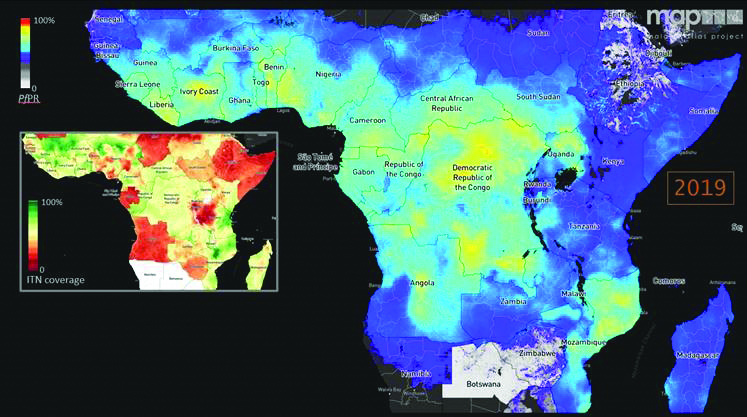
A global network of researchers led by Kerry M Stokes Chair of Child Health, Professor Pete Gething, is working to help support informed decision-making for malaria control at international, regional and national scales.