
Search
Showing results for "early lung health"
Tom Snelling BMBS DTMH GDipClinEpid PhD FRACP Head, Infectious Disease Implementation Research 08 6319 1817 tom.snelling@thekids.org.au Head,

ORIGINS is now offering telehealth appointments for the paediatric assessment at the one- and three-year timepoints
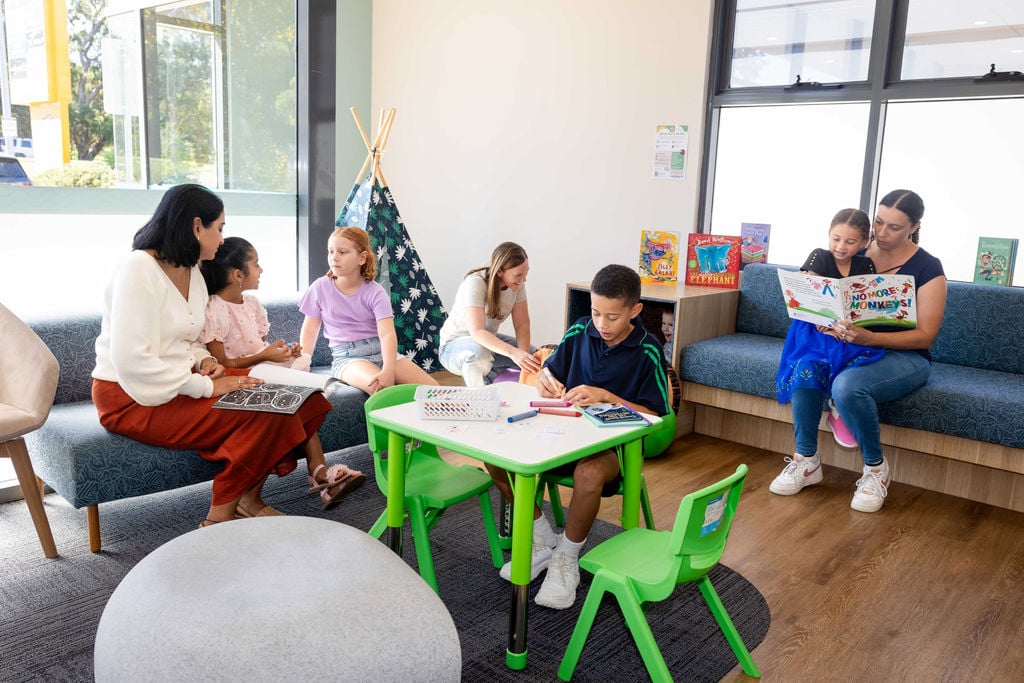
In partnership with Playgroup WA, this sub-project is investigating the impact of playgroups on mental health and socio-emotional outcomes in parents and children within ORIGINS.
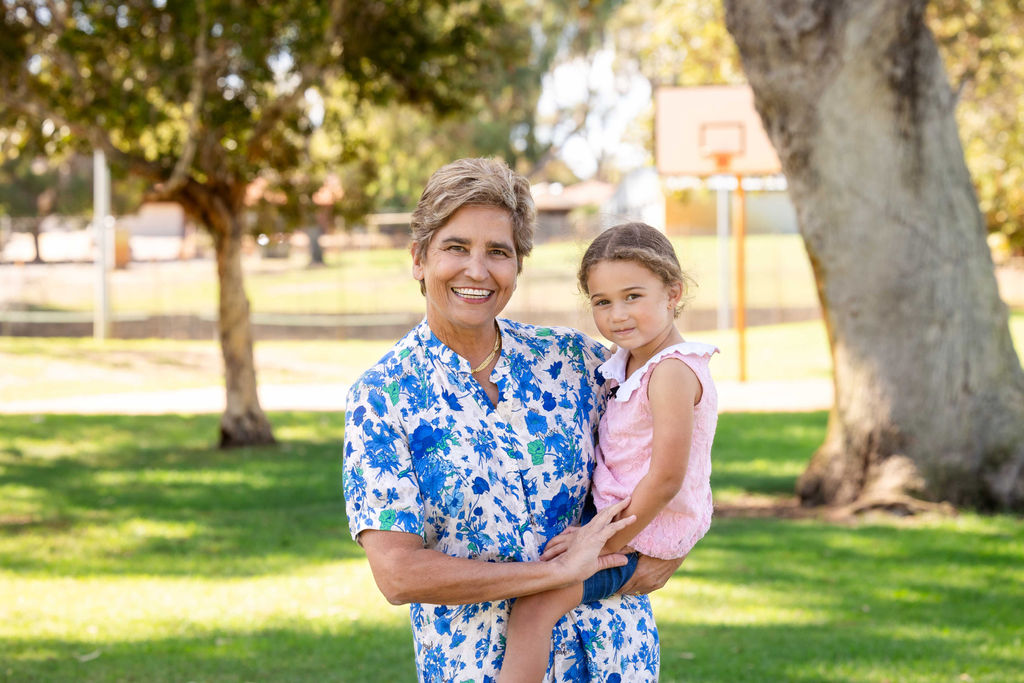
Climate-related exposures and hair cortisol concentrations among pregnant women in the ORIGINS cohort.
Approximately 13,000 children in Australia live with moderate to severe intellectual disability.
This research sought to provide an outline of identified household-level environmental health initiatives to reduce or interrupt Strep A transmission along each of these pathways.
Asha John Jonathan Marianne Bowen Jacky Carapetis AM Mullane BA MBBS DCH FRACP PhD GAICD FAHMS OAM AM MBBS FRACP FAFPHM PhD FAHMS BSc (OT) Head,
The DETECT-Schools Study was launched in May 2020 as a partnership between the WA Government Departments of Education and Health with The Kids Research Institute Australia.
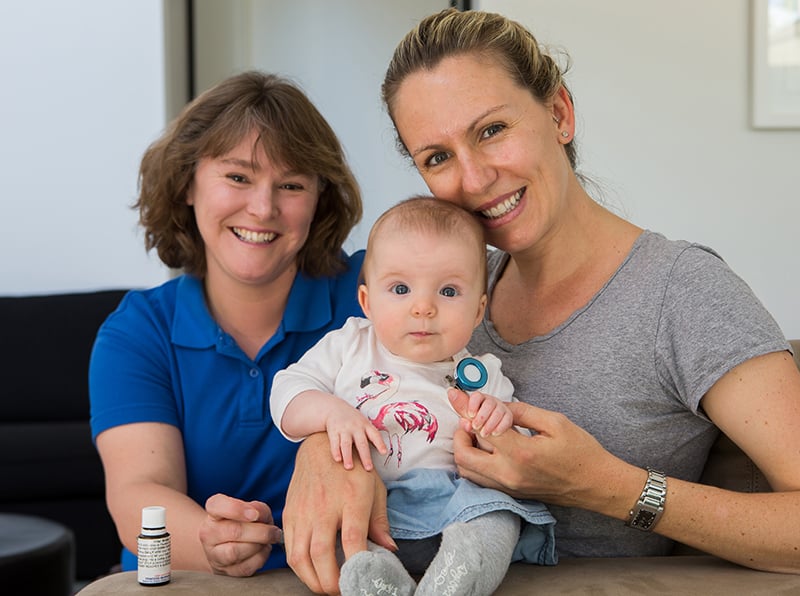
A study led by The Kids Research Institute Australia has suggested vitamin D supplementation in babies is no match for sunlight when it comes to preventing eczema.
Postvention is a core component of suicide prevention strategies, internationally. However, the types of supports provided to people impacted by suicide vary widely. This study examines the perceived effectiveness of the Primary Care Navigator (PCN) model for people bereaved by suicide. The PCN model was implemented in response to a suicide cluster.