Search
Parents must rapidly adapt goals from various aspects of their lives to accommodate the demands of the early stages of parenthood. According to the self-concordance model, having autonomous goal motives (based on enjoyment or personal goal value) should foster effective self-regulation (e.g., coping strategies), better goal management, and increase the likelihood of goal attainment, compared to controlled motives (goals driven by demands/pressures).
High quality intervention research is needed to inform evidence-based practice and policy for Aboriginal and Torres Strait Islander communities. We searched for studies published from 2008-2020 in the PubMed database. A narrative review of intervention literature was conducted, where we identified researcher reported strengths and limitations of their research practice.
Environmental chemical contamination is a recognised risk factor for psychological distress, but has been seldom studied in the context of per- and polyfluoroalkyl substances (PFAS) contamination. We examined psychological distress in a cross-sectional study of three Australian communities exposed to PFAS from the historical use of aqueous film-forming foam in firefighting activities, and three comparison communities without environmental contamination.
Although average contraceptive use has increased globally in recent decades, an estimated 222 million (26%) of women of child-bearing age worldwide face an unmet need for family planning-defined as a discrepancy between fertility preferences and contraception practice, or failing to translate desires to avoid pregnancy into preventative behaviours and practices.
We examine the H i gas kinematics of galaxy pairs in two clusters and a group using Australian Square Kilometre Array Pathfinder (ASKAP) WALLABY pilot survey observations. We compare the H i properties of galaxy pair candidates in the Hydra I and Norma clusters, and the NGC 4636 group, with those of non-paired control galaxies selected in the same fields.
Autism omics research has historically been reductionist and diagnosis centric, with little attention paid to common co-occurring conditions (for example, sleep and feeding disorders) and the complex interplay between molecular profiles and neurodevelopment, genetics, environmental factors and health. Here we explored the plasma lipidome in 765 children (485 diagnosed with autism spectrum disorder (ASD)) within the Australian Autism Biobank.
Invasive pulmonary aspergillosis remains a major cause of morbidity and mortality for immunocompromised children, particularly for patients with acute leukaemia and those undergoing haematopoietic stem cell transplantation. Timely diagnosis, using a combination of computed tomography (CT) imaging and microbiological testing, is key to improve prognosis, yet there are inherent challenges in this process. For CT imaging, changes in children are generally less specific than those reported in adults and recent data are limited.
Marketing unhealthy products by multinational corporations has caused considerable harm to individual health, collective wellbeing, and environmental sustainability. This is a growing threat to all societies and a significant contributor to the rising global burden of non-communicable diseases and early mortality.
Viral haemorrhagic fevers (VHF) cause significant economic and public health impact in Sub-Saharan Africa. Community knowledge, awareness and practices regarding such outbreaks play a pivotal role in their management and prevention. This study was carried out to assess community knowledge, attitude and practices regarding VHF in five geo-ecological zones in Tanzania.
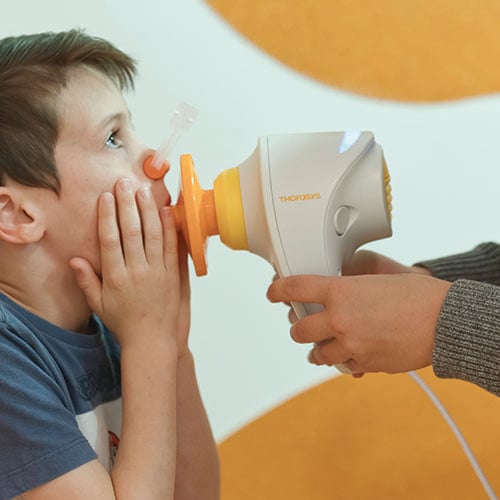
Noninvasive measurement of respiratory impedance by oscillometry can be used in young children aged from 3 years and those unable to perform forced respiratory manoeuvres. It can discriminate between healthy children and those with respiratory disease. However, its clinical application is limited by the lack of reference data for African paediatric populations. The aim of the present study was to develop reference equations for oscillometry outcomes in South African children and adolescents.