
Search
Showing results for "early childhood"
This study analysed spatial and historical variation in childhood incidence of type 1 diabetes mellitus (T1DM) among Western Australia's 36 Health Districts...
Otitis media (OM) is a common childhood disease characterised by middle ear effusion and inflammation.
Elke Jennifer Peter Seppanen Kent Richmond BSc PhD RN MBBS MRCP(UK) FRACP Program Manager, Bacterial Respiratory Infectious Disease Group Clinical
Osteoclasts are important regulators of bone remodeling, with an established role in maintaining skeletal homeostasis. The emergence of osteoimmunology has identified osteoclasts as key players in the immune system. In particular, osteoclasts can initiate bi-directional crosstalk mechanisms with hematopoietic stem cells and various immune cells, such as T cells, B cells and NK cells, to influence hematopoiesis and inflammatory response.
Despite the substantial burden of lung disease throughout childhood in children who were born very preterm, there are no evidence-based interventions to improve lung health beyond the neonatal period. We tested the hypothesis that inhaled corticosteroid improves lung function in this population.
Many survivors of preterm birth (<37 weeks gestation) have lifelong respiratory deficits, the drivers of which remain unknown. Influencers of pathophysiological outcomes are often detectable at the gene level and pinpointing these differences can help guide targeted research and interventions. This study provides the first transcriptomic analysis of primary nasal airway epithelial cells in survivors of preterm birth at approximately 1 year of age.
The rarity of the mesenchymal stem cell (MSC) population poses a significant challenge for MSC research. Therefore, these cells are often expanded in vitro, prior to use. However, long-term culture has been shown to alter primary MSC properties.

The Kids Research Institute Australia is proud to be a part of the Rare Care Comprehensive Centre (RCCC) for children with rare and undiagnosed disease, made possible thanks to one of Western Australia’s biggest philanthropic gifts.
A collaborative study between UWA, Perth Children’s Hospital, The Kids and advocacy and support group Down Syndrome WA, has identified the top priorities, according to patients and carers, for clinical care and research for children with the genetic cond
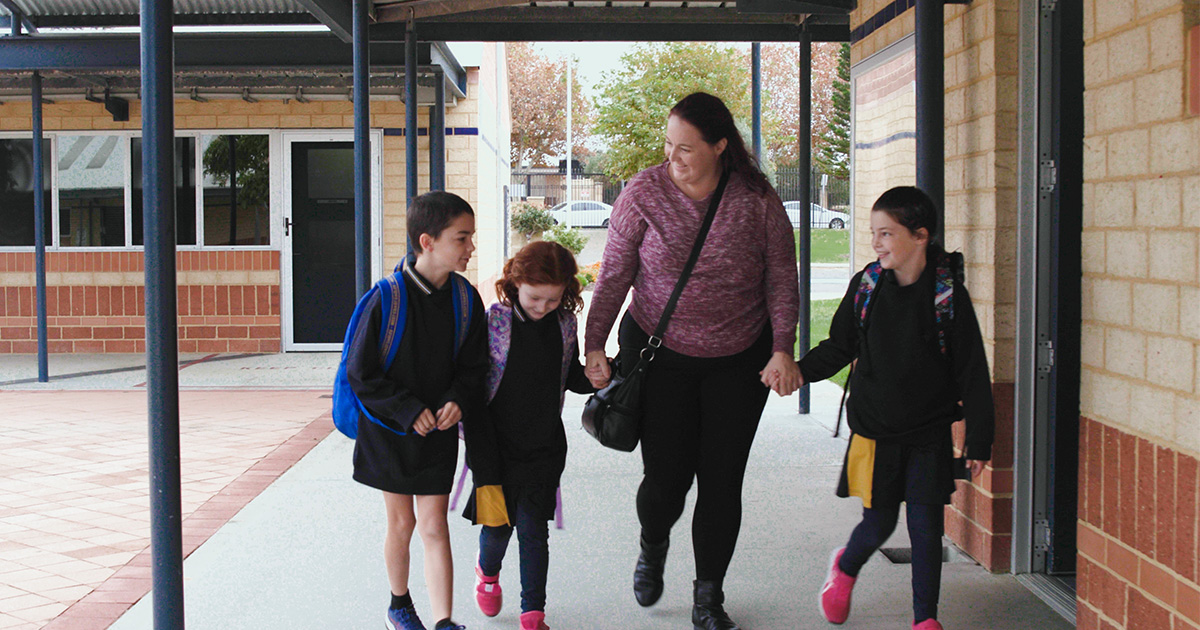
Researchers will use cutting edge big data and geospatial modelling techniques to tackle the dramatic decline in the number of West Australian children walking or riding to school.