
Search
Showing results for "aboriginal respiratory"
Understanding variations in risk profiles among persistently non-attending children will inform the development of absence interventions.
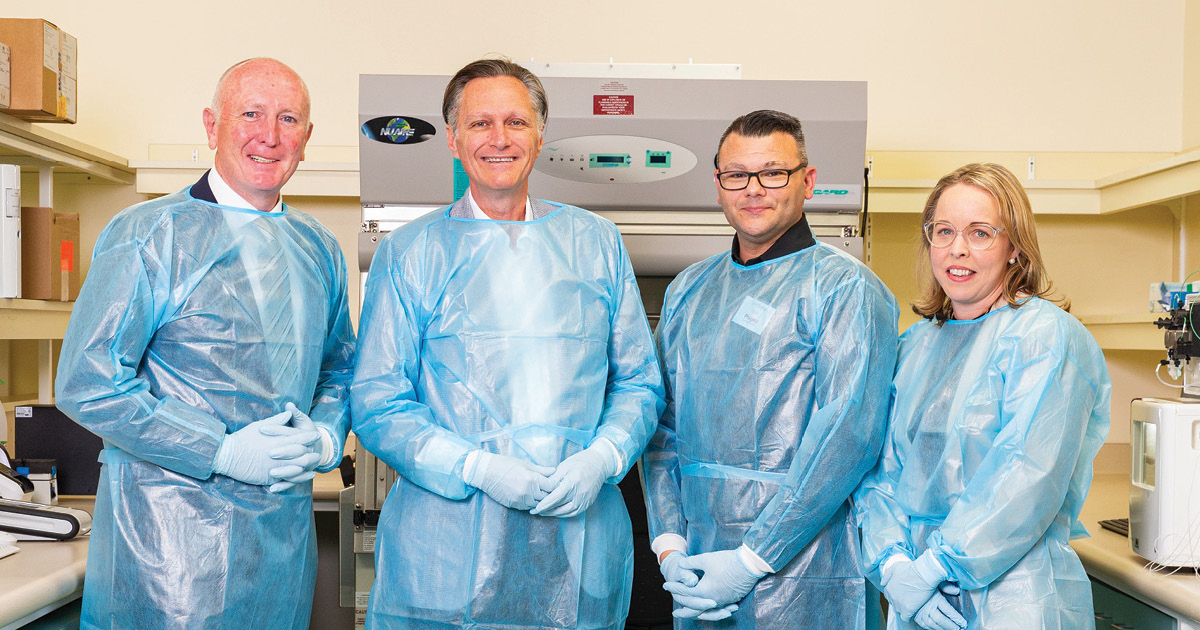
Western Australia’s first bacteriophage manufacturing facility has been opened in a significant development that brings patients battling antibiotic-resistant infections a step closer to life-saving phage therapy.
Chronic childhood constipation is a common problem that severely impacts quality of life. Recently, the efficacy of intrasphincteric botulinum toxin (botox) injection in breaking the cycle of constipation has been demonstrated. The current study aims to investigate response rate to treatment, symptom and examination finding associations, and identify associations between patient characteristics and outcome.
We investigated how syndromic versus nonsyndromic forms of micrognathia impacted difficult intubation outcomes in children. Primary outcome was the first-attempt success rate of tracheal intubation, secondary outcomes were number of intubation attempts and complications. We hypothesized that syndromic micrognathia would be associated with lower first-attempt success rate.
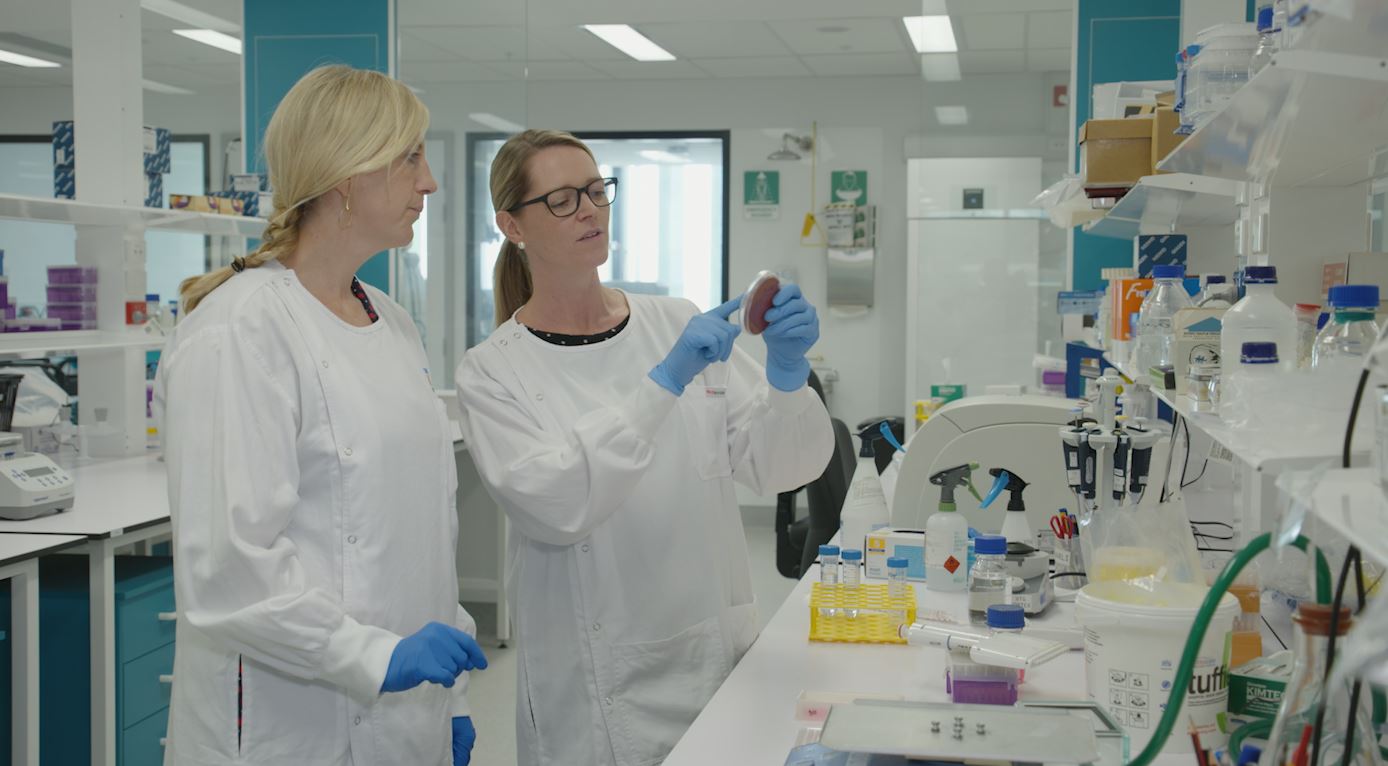
Wiping out childhood ear infections could become a reality thanks to new research identifying the main bacteria responsible for recurrent ear infections and repeat ear surgeries.
Sometimes, there is an urgent need to administer inhaled adrenaline to children, awake, sedated or anaesthetised to treat asthma, bronchospasm, croup, and suspected laryngeal/pharyngeal oedema or stridor, which can become severe or even life-threatening. To better inform emergency dosing and administration guidelines, we aimed to quantify the amount of adrenaline delivered for inhalation from a nebuliser, in a simulated experimental delivery set-up for spontaneously breathing children and adults, either via an anaesthetic face mask, a Laryngeal Mask Airway or an Endotracheal tube.
Processed electroencephalography (EEG) indices used to guide anesthetic dosing in adults are not validated in young infants. Raw EEG can be processed mathematically, yielding quantitative EEG parameters (qEEG). We hypothesized that machine learning combined with qEEG can accurately classify expired sevoflurane concentrations in young infants. Knowledge from this may contribute to development of future infant-specific EEG algorithms.
The clinical consequences of an antibiotic allergy label are detrimental, impacting health care delivery and patient outcomes. We assessed hospital inpatients with intent to offer free antibiotic allergy labeling assessment within a randomized controlled trial. We sought to determine the feasibility of establishing an adult antibiotic allergy delabeling service in a Western Australian tertiary public hospital.
The primary objectives of this study were to assess the usefulness of C-reactive protein and procalcitonin in the diagnosis of bacterial co-infections in coronavirus disease 2019 (COVID-19) and if their incorporation in antimicrobial stewardship programs is safe and useful, stratified by severity of disease as level of care, intensive care unit (ICU) or non-ICU.
Burkholderia cepacia complex is a cause of serious lung infections in people with cystic fibrosis, exhibiting extremely high levels of antimicrobial resistance. These infections are difficult to treat and are associated with high morbidity and mortality.