
Search
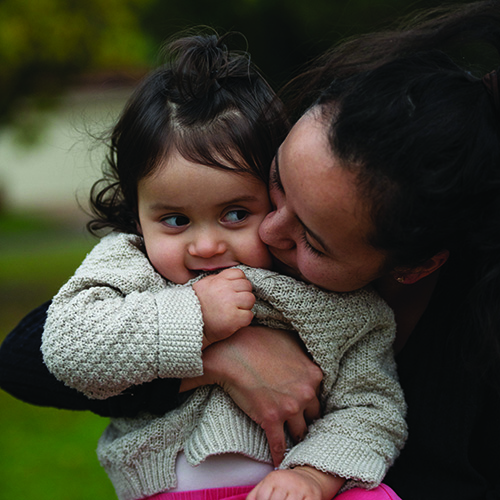
Patricia Ilchuk can still recall the day in August 2020 when her daughter Manna – then five weeks old – had her first seizure.
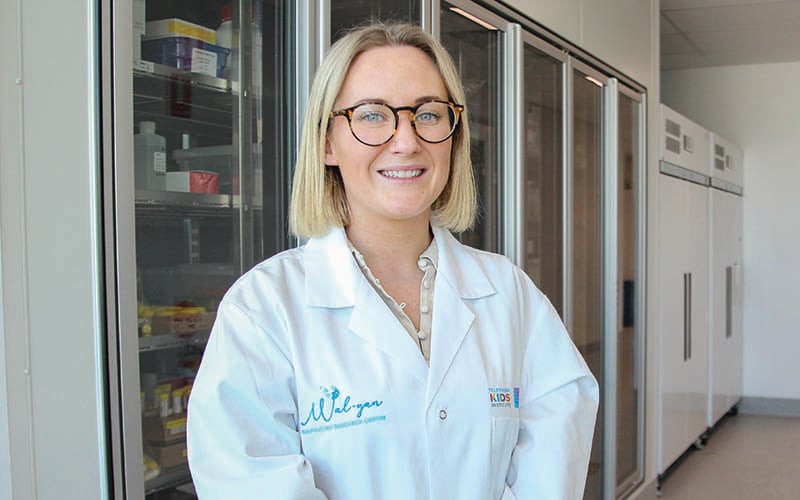
Researchers have made a world-first discovery on how to prevent severe respiratory infections in babies.

When Perth mum Lacy Swan’s daughter Charlotte failed the newborn hearing test at 3 days of age, the medical team explained it could simply be due to fluid on the ears.
The pathogenesis of acute rheumatic fever (ARF) is poorly understood, limiting the development of immune-modulating therapies to treat disease and prevent progressive heart damage. Here, participants with definite ARF were compared to other severe acute paediatric conditions and matched healthy controls by profiling circulating immune molecules and cells to inform disease mechanisms and potential druggable pathways.
This article documents the establishment of community laundries in rural/remote Aboriginal and Torres Strait Islander communities between 2000-2024, with the aim to support synergistic planning, implementation and evaluation.
Human milk is a rich source of immunomodulatory factors that influence the development of the infant immune system, including susceptibility to allergic diseases. Among these components, milk antibodies have been extensively studied for their role in protecting against infections; however, their potential contribution to allergy prevention may be equally important. The mechanisms of protection include allergen exclusion, enhanced and targeted antigen presentation, immune modulation via shaping of the infant gut microbiome, and direct regulation of gut immune responses.
Physical constraints of small apartment kitchens and the influence of the surrounding community food environment may impact food practices of apartment residents. Social media portrayal of these features may influence public perception of apartment living.
Hereditary pancreatitis causes severe early-onset pain and hospitalisation. In 15 Australian patients undergoing total pancreatectomy and islet auto transplantation (TPIAT), we observed a marked reduction in hospital admissions, inpatient days and emergency visits, complete analgesic cessation by 24 months and durable insulin independence in nearly half of the patients. These findings highlight TPIAT's potential to improve quality of life and reduce healthcare burden. Our programme aims to build evidence to support public funding and ensure equitable access to this procedure.
To describe the perspectives of Aboriginal and Torres Strait Islander peoples and health care workers on genomics in cancer care to inform the National Framework for Genomics in Cancer Control (the Framework).
Antibiotic exposure in neonatal intensive care units (NICU) is high. This study describes antibiotic use in very preterm infants and examines the association between duration of exposure and outcomes in blood culture negative (CN) infants.